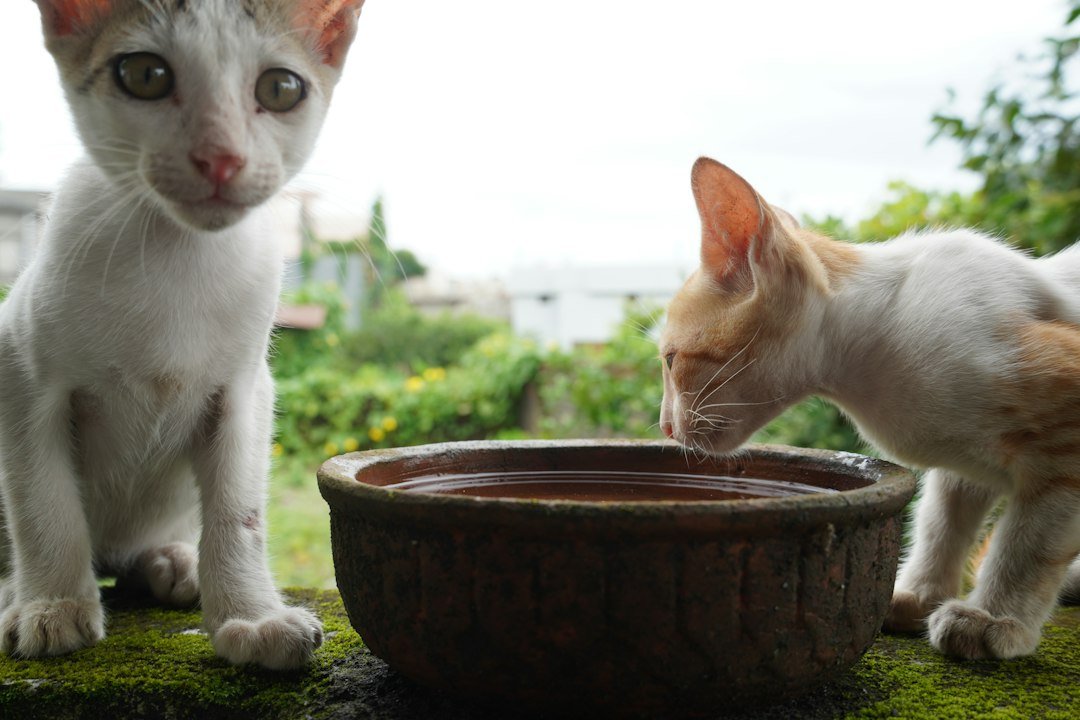
How much should I feed a kitten by age depends on their current weight, stage of growth, and the calorie density of the food in the bowl. Young kittens need several small meals each day, while older kittens can usually eat fewer, larger meals. Growth is fast.
There is no useful one-size scoop amount because one cup of dry food can contain far more calories than another, and canned foods vary widely by can size and recipe. Start with the manufacturer’s daily feeding guidance for your kitten’s current weight, choose a food labelled for kitten growth or all life stages, then split that total across the number of meals that suits their age.
How much should I feed a kitten by age
This feeding chart guide gives a practical starting routine for healthy, growing kittens. The amounts on a food package are usually listed as a total for the whole day, not for each meal. Read the label closely.
| Kitten age | Meals per day | What to feed | How to use the daily food amount |
|---|---|---|---|
| Birth to 4 weeks | Frequent formula feeds | Commercial kitten milk replacer only | Follow the replacer directions and get veterinary guidance, especially for an orphaned kitten. |
| 4 to 8 weeks | 3 to 4 meals | Moistened kitten wet food, kitten dry food, or both | Offer small portions often. Use the package’s daily amount as a starting point and divide it among meals. |
| 2 to 4 months | 3 to 4 meals | Complete kitten food | Divide the daily amount into equal meals. Many kittens have their highest food needs during this period. |
| 4 to 6 months | 3 meals | Complete kitten food | Recheck portions as body weight rises. Do not keep using the same scoop amount for months. |
| 6 to 12 months | 2 to 3 meals | Complete kitten food | Use the label guide and adjust gradually based on weight, body shape, and appetite. |
A kitten younger than about four weeks has very different needs from a weaned kitten and should not be fed regular cat food, cow’s milk, or homemade milk mixtures. Tiny kittens can decline quickly if they are not eating well. Contact a veterinarian or an experienced rescue organization promptly if you are caring for an orphaned newborn.
Turn the food label into actual meals
The feeding guide on a bag or can is the best place to begin because it accounts for that product’s calorie content. It is still a starting point. Kittens vary.
For example, imagine a four-month-old kitten weighs 5 pounds and the dry food label suggests 3/4 cup per day for that weight. If you feed three meals, measure 1/4 cup for each meal. If you also give one 3-ounce can of wet kitten food that contains 90 calories, reduce the dry food rather than adding the can on top of the full dry-food amount.
That adjustment matters because dry food is concentrated, and a small extra scoop can add a meaningful number of calories. Wet food contains more water, so it can look like a much larger serving for similar calories. Check the calories per cup, can, pouch, or tray on the package.
If the label lists calories but not a clear portion for your kitten’s weight, your veterinarian can help calculate a daily target. A common veterinary starting calculation uses resting energy needs based on body weight, then applies a growth factor that changes with age. It is more accurate than guessing by scoop size.
Choose food made for growth
Look for a statement on the package that says the food is complete and balanced for growth, or for all life stages. Kitten formulas generally provide more energy and key nutrients per serving than adult maintenance foods. Adult food alone is usually not the right everyday choice for a growing kitten.
Both wet and dry kitten food can fit into a good routine when the food is complete and balanced. Wet food can help increase water intake. Dry food is convenient and easy to measure, but it should be measured rather than poured freely into a bowl.
Mixed feeding works well for many households, but count both foods as part of one daily ration. Keep the packaging until you know the calorie information. This avoids accidental double feeding.
Watch the kitten, not only the bowl
Food guides cannot account for a kitten’s activity, genetics, recent illness, neuter status, or growth pattern. Regular weighing gives you a clearer picture. Once a week is useful.
Use a kitchen scale for very small kittens, or weigh yourself holding the kitten and subtract your own weight on a bathroom scale. Record the date, weight, food type, and daily amount in a note on your phone. A steady upward trend is generally what you want during active growth.
Body shape matters too. You should be able to feel the ribs with light pressure, though they should not look sharply visible, and there should be some waist behind the ribs when viewed from above. A rounded belly immediately after a meal can be normal, especially in young kittens. A consistently swollen belly, poor appetite, vomiting, diarrhea, or a failure to gain weight needs veterinary attention.
Adjust food gradually when needed. If your kitten is regularly leaving meals untouched, first make sure the portions are not too large and the food is fresh. If a kitten finishes every meal and appears hungry but is growing normally, do not automatically keep increasing food without reviewing the full daily calories and checking their body condition.
Set up a feeding routine
Regular meal times make it easier to notice changes in appetite, which can be one of the earliest signs that something is off. Put meals in a clean, quiet spot away from the litter box. Most kittens settle into routines quickly.
- Weigh your kitten and note their age.
- Find the daily amount on the kitten food label for that weight.
- Subtract calories from treats and any second food.
- Divide the remaining daily amount into the right number of meals.
- Measure each portion with a proper cup scale or kitchen scale.
- Weigh your kitten weekly and review the plan as they grow.
Fresh water should always be available, even if your kitten eats wet food. Replace uneaten wet food after a short period rather than leaving it out all day. Dry food also loses freshness when it sits exposed for long periods.
Treats should stay small because kittens have limited calorie room for extras. Use a few pieces of their regular kibble for training when possible. Avoid giving table scraps, bones, milk, or foods containing onion, garlic, chocolate, grapes, raisins, alcohol, or xylitol.
When to change the amount
Revisit portions whenever your kitten gains enough weight to move into the next line on the package guide. During early growth, that can happen often. Check every week or two.
Change amounts slowly unless a veterinarian has given different instructions. A modest adjustment, followed by a week of observation, is easier on the stomach and helps you see whether the change was actually needed. Abruptly increasing food can lead to waste, stomach upset, or unwanted weight gain.
Most kittens stay on kitten food until roughly their first birthday, though large breeds may mature later and may need a different timeline. Ask your veterinarian when to transition to adult food during routine visits. Their growth pattern is the deciding factor.
Frequently asked questions
Should kittens have food available all day?
Very young, actively growing kittens may need frequent access to food, especially while they are transitioning through weaning. Measured meals are usually easier for tracking intake and preventing overfeeding as a kitten gets older. A schedule helps.
How much wet food should a kitten eat per day?
Use the can’s feeding guide and your kitten’s current weight, then account for any dry food or treats. One can is not a universal serving because canned foods differ greatly in calorie content. Read the calories.
Can I feed an eight-week-old kitten adult cat food?
It is better to use food formulated for kitten growth or all life stages unless your veterinarian has advised otherwise. An eight-week-old kitten is still growing quickly. Their nutritional needs are higher than an adult cat’s maintenance needs.
What if my kitten suddenly eats much less?
A missed meal, ongoing low appetite, vomiting, diarrhea, lethargy, or trouble eating deserves a call to a veterinarian, particularly in a young kitten. Do not force-feed unless a veterinary professional tells you how. Young kittens have little reserve.
Related posts
This post is for general informational purposes only and is not veterinary advice. Every cat is different — if you have concerns about your cat’s health or behavior, please consult a qualified veterinarian.