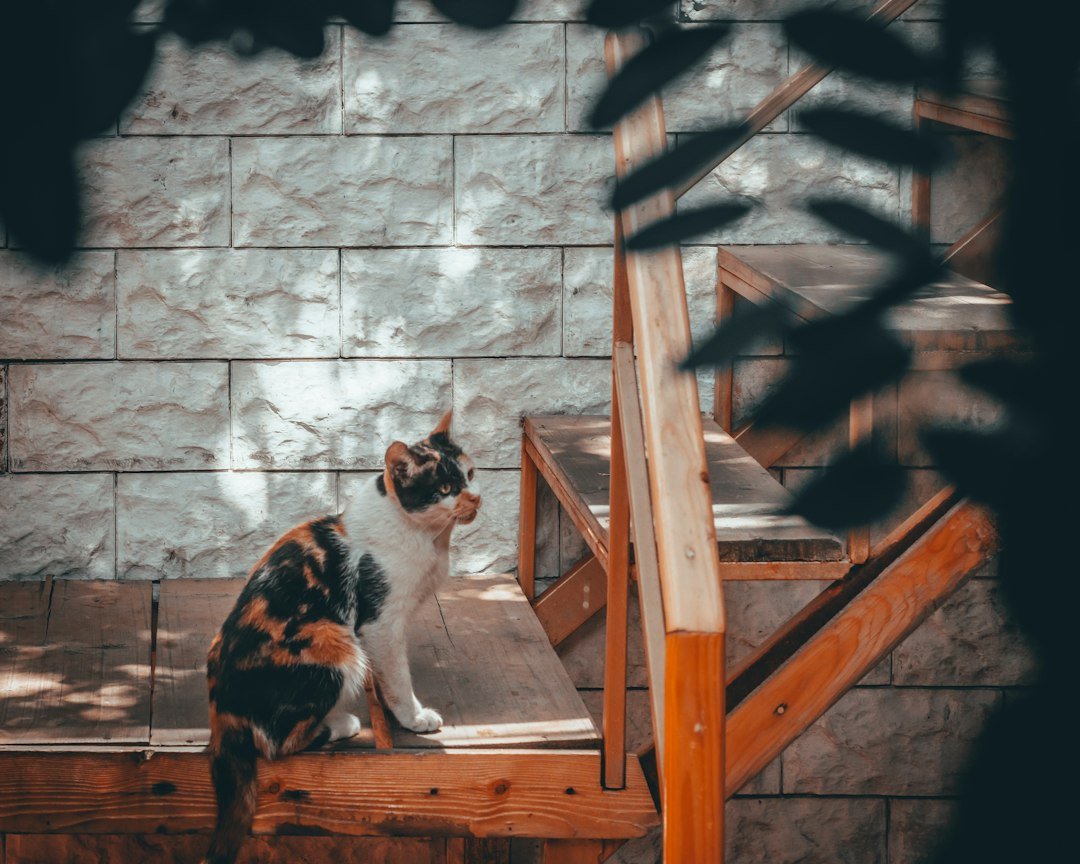
When an older cat pauses beside the sofa, looks up, and walks away instead of jumping, the best cat ramp for elderly cats is usually a long, low, stable model with grippy footing and no wobble. That is the practical answer. The best cat ramp for elderly cats should let a cat take short, confident steps rather than face a steep climb that still asks painful joints to work hard.
For arthritis relief, a ramp may reduce the impact and force of jumping up or down from furniture. It is not a treatment. Cats with arthritis, age-related stiffness, reduced vision, or balance changes often need a gradual route to their favorite bed, chair, window perch, or couch, and the right ramp makes that route easier to use every day.
What the best cat ramp for elderly cats needs
Start with the angle. A long ramp is usually easier than a short one because the same furniture height is spread across more distance, creating a gentler climb. Think low and slow. A ramp that reaches a 20-inch sofa over 40 inches is notably easier to climb than one that reaches the same height in 24 inches, although the longer ramp takes up more floor space.
Width matters more than many shoppers expect. Look for a walking surface around 12 inches wide or wider when space allows, especially for a larger cat or one that turns around cautiously. Narrow ramps can feel exposed. Side rails are optional, but low raised edges can help keep paws centered without making a cat feel boxed in.
The surface needs real traction. Carpet, dense fabric, rubberized matting, and textured stair-tread material can all work if they stay firmly attached and are easy to clean. Avoid slick painted wood or smooth plastic. A cat may refuse a ramp after one slip, even if the ramp itself looks attractive.
Stability is non-negotiable. Press down on the middle and both ends before offering it to your cat, because flexing, rocking, or sliding can make a cautious cat avoid it. A heavier wood frame often feels steadier than a very light folding model, while a lightweight ramp may be easier for you to move and store.
| Feature | Usually best for | Main trade-off |
|---|---|---|
| Long fixed ramp | Daily access to one sofa or bed | Uses permanent floor space |
| Folding ramp | Small homes or occasional travel | Check hinges and stability carefully |
| Carpeted wood ramp | Cats needing a solid, quiet surface | Harder to clean after accidents |
| Rubber or washable tread | Homes where easy cleaning matters | Some textures may feel unfamiliar |
| Ramp with low side edges | Cats who step cautiously | May be harder to step off sideways |
Measure the furniture before you shop
Measure from the floor to the exact spot where your cat will step onto the furniture, rather than measuring the overall furniture height. Keep it simple. If the sofa cushion compresses when your cat steps on it, measure to the top of the compressed cushion area or place the ramp against the firmer frame edge.
A useful starting point is to aim for a ramp length at least twice the furniture height, and longer if your cat is very hesitant or stiff. For example, a 24-inch-high bed paired with a 48-inch ramp creates a much gentler route than a 30-inch ramp, though neither number guarantees a particular angle because ramp designs differ. These measurements are examples only, not product specifications: measure your own furniture, available floor space, and the ramp’s actual landing position before choosing a size. Longer is usually kinder.
Also measure the landing area. The top of the ramp should meet the furniture securely, with no gap that catches a paw and no abrupt lip that requires another jump. Cats notice small changes. If the ramp shifts away from the couch when weight is applied, add a non-slip pad beneath it or choose a design with a more secure top contact point.
Choosing a ramp for arthritis relief
A ramp for arthritis relief should reduce repeated jumping, particularly downward jumping, which can be uncomfortable for some older cats. Keep expectations realistic. A ramp does not remove pain, and a cat that suddenly avoids movement, cries when handled, limps, hides, or changes litter box habits needs veterinary attention rather than a new accessory alone.
Choose shallow incline over compact convenience when you can. Many pet ramps are marketed for small dogs, and some are suitable for cats, but check the walking width, texture, weight rating, and landing design instead of relying on the label. Product descriptions can be optimistic. Read current manufacturer details and customer photos to see whether the surface is truly grippy and whether the ramp stays stable on hard flooring.
Consider the cat’s normal movement pattern. A cat that still walks steadily but avoids high jumps may use a straightforward open ramp well, while a cat with uncertain footing may do better with a wider model and low edges. Some cats prefer steps. If your cat stops midway, backs down, or leans against the side, the slope may be too steep, the surface may feel insecure, or the placement may be awkward.
Ramp materials and realistic trade-offs
Wood ramps are often stable and can blend in with ordinary furniture, especially if they have a broad base and attached carpet or tread, although their heavier weight is less convenient if you need to move them for vacuuming or guests. That weight is useful when the ramp stays in one place.
Plastic ramps tend to be lighter and easier to wipe clean, but check the feet closely. Some have molded texture that looks non-slip but is still slick under dry or dusty paws, so a removable grippy cover can make a meaningful difference if it attaches securely.
Foam ramps are light and soft around furniture edges, which may suit a cat who only needs access to a low couch, but they can compress under weight. A dense foam model with a washable cover may work for a small cat, but it may feel unstable for a heavier cat or one that places weight carefully through sore front legs.
Folding ramps save space, but inspect the hinge area, locking system, and underside before buying, since a tiny pinch point, uneven joint, or loose latch can make a ramp less safe and less appealing. Use it first on a level floor. Never assume a folded design is stable simply because it has a listed weight capacity.
Set up the ramp where your cat already wants to go
Put the ramp at a destination your cat uses often, such as the couch where they nap beside you or the bed where they sleep at night. Familiar places help. A ramp placed in an unused corner may become another object your cat ignores.
- Place the ramp flat on the floor for a day if your cat is wary of new objects.
- Add a familiar blanket or a few treats beside it, without forcing your cat onto the surface.
- Raise one end to a low, secure height once your cat walks on it comfortably.
- Increase the height gradually until it reaches the intended furniture landing.
- Keep the ramp in the same position so your cat can learn the route.
Do not carry your cat up the ramp repeatedly to demonstrate it. Let them choose. A few treats placed several inches apart can encourage walking, but avoid putting treats only at the top if your cat is frightened by the descent.
Check the setup each week. Pet hair, dust, loose threads, and worn carpet can reduce traction over time, while a ramp that was stable on carpet may slide on newly cleaned hardwood. Replace damaged tread promptly. A cheap fix is not useful if it creates another trip hazard.
When stairs may be a better fit
Some cats prefer broad, shallow steps because each level gives them a pause point and feels closer to normal furniture climbing. This varies. Steps can work well beside a low couch, but each riser still requires lifting the body, and a steep set of pet stairs may be no easier than jumping for a cat with sore joints.
Choose a ramp when the priority is the smoothest possible change in height and your home has room for its length. Choose steps if your cat already uses stairs confidently, the furniture is low, and each step is wide, stable, and covered with traction. Watch what your cat does. Their behavior gives better guidance than the product category alone.
FAQ
How long should a cat ramp be?
For an elderly cat, longer is generally easier because it creates a gentler slope. Start by comparing ramp length with furniture height, then make sure the ramp fits your room without blocking a walkway. A low, long ramp is often the more comfortable choice.
Will a cat with arthritis use a ramp?
Some cats take to ramps quickly, while others need time or may prefer steps. Patience helps. Use a stable surface, place it at a familiar resting spot, and introduce it gradually, but contact a veterinarian if mobility changes are new, severe, or getting worse.
Are carpeted ramps easier for cats to grip?
Carpet can provide good traction when it is tightly fixed, low-pile, and free of loose loops or fraying edges. Test it with your hand. If fibers pull up easily or the surface feels slippery when dusty, it may not be a good long-term choice.
Can I use a dog ramp for my cat?
Yes, if the dimensions and surface suit your cat. Check that it is wide enough, has a gentle slope, does not wobble, and meets the furniture without a gap. Ignore the species label. The actual design matters more.
Where should I put a cat ramp?
Place it at the furniture your cat uses most, with a clear approach and a secure landing at the top. Avoid busy doorways. A quiet, predictable route is easier for an older cat to trust.
Related posts
This post is for general informational purposes only and is not veterinary advice. Every cat is different — if you have concerns about your cat’s health or behavior, please consult a qualified veterinarian.