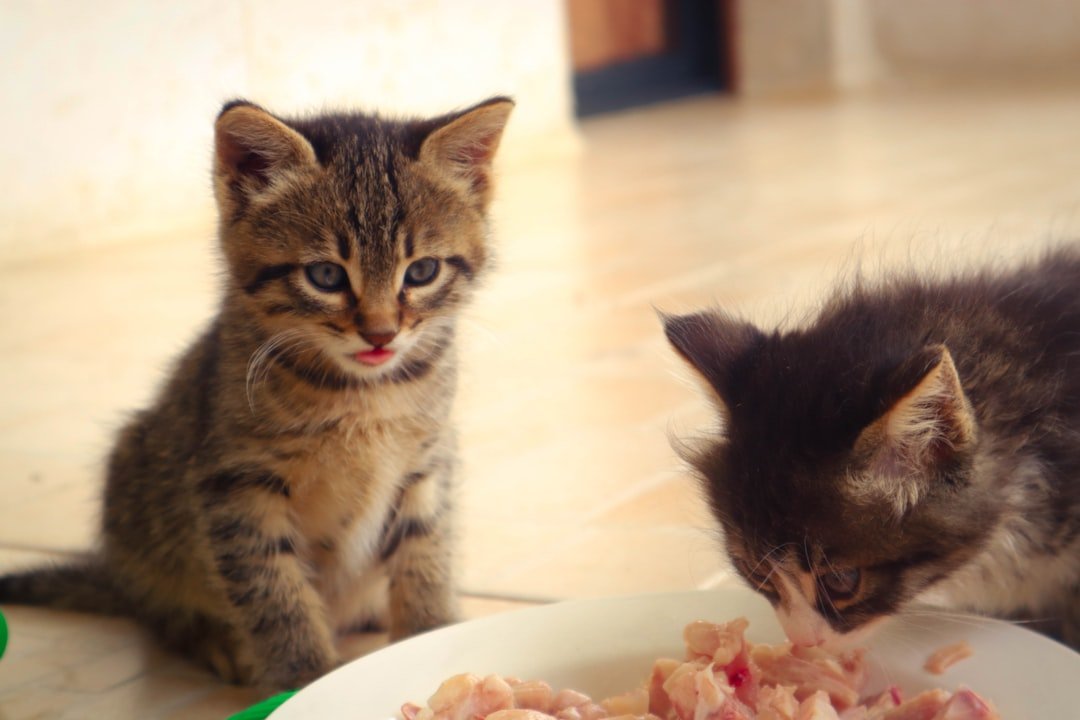
You put down breakfast, your kitten pounces on it, then comes back looking for more ten minutes later. That is normal. The best kitten food for growth and development is a complete and balanced formula labeled for kitten growth, with enough calories and nutrients for a fast-growing body. The best kitten food for growth and development is not one universal bag or can, because kittens differ in size, food preferences, activity, and how well they tolerate a particular recipe.
Start with the nutritional adequacy statement on the label. This is the useful shortcut. A food sold as complete and balanced for growth, or for all life stages, is made to meet nutrient targets intended for kittens rather than adult maintenance alone. Once that statement is in place, compare format, price per day, ingredient transparency, and whether your kitten will consistently eat it.
What best kitten food for growth and development means
Kittens need more energy per pound of body weight than adult cats because they are building bone, muscle, organs, and a larger body in a short period. They eat often. A suitable kitten formula also provides appropriate amounts of protein, fat, vitamins, and minerals, including calcium and phosphorus, instead of relying on supplements added at home.
Look for a clear statement such as complete and balanced for growth or complete and balanced for all life stages. In the United States, this wording commonly refers to nutrient profiles or feeding trials recognized through the Association of American Feed Control Officials, often called AAFCO. The exact wording can differ by country. In the UK and much of Europe, complete pet foods commonly follow local regulations and industry nutrition guidance, including FEDIAF guidance, so read the package sold in your own market.
“All life stages” can be appropriate for a kitten. It is not automatically the best value. These foods must support growth, so they may be richer than an adult-only food and can be unnecessary once a cat is fully grown. Most kittens stay on a growth diet until around their first birthday, although larger breeds and individual cats may need a different timeline from their veterinarian.
Nutrition standards for kittens to check first
The nutrition standards for kittens matter more than a fashionable ingredient on the front of the package. Read the small print. A complete food has been formulated to supply essential nutrients when fed as the main diet, while a complementary food, topper, broth, or treat is not meant to replace regular meals.
Protein is a major part of feline nutrition, and kitten foods usually have a higher energy and nutrient density than adult maintenance foods. Cats are obligate carnivores. That does not mean every ingredient must be meat, or that a food with grains is automatically poor quality, but animal-derived ingredients are a normal part of a balanced cat-food recipe.
Fat supplies concentrated energy and essential fatty acids. Many kitten recipes include fish oil or another source of omega-3 fats, often with DHA listed among the nutrients. A kitten does not need a label packed with buzzwords. What matters is that the finished food is nutritionally complete for growth and your kitten maintains steady growth and normal stools on it.
Mineral balance deserves special attention. Calcium and phosphorus work together in normal skeletal development, and a balanced commercial kitten food accounts for both. Do not add calcium powder, bone meal, multivitamins, or human supplements to a complete kitten food unless a veterinarian has specifically directed it. More is not safer.
Taurine should also be present in a complete cat food. Cats require it in their diet. You may see it in the ingredient or guaranteed-analysis area, but the adequacy statement is still the simpler buying signal because it reflects the whole nutrient profile rather than one nutrient alone.
Choose wet food, dry food, or both
Wet kitten food has a high moisture content, which can help increase total water intake for kittens that do not drink much from a bowl. Many kittens love the smell. Cans, trays, and pouches are usually more expensive per calorie than kibble, and opened food needs refrigeration and prompt use according to the label.
Dry kitten food is convenient, stores easily, and often costs less per calorie. It is easy to measure. A dry-only diet can work when the food is complete for growth and the kitten drinks enough water, but it is wise to offer fresh water in more than one clean location.
A mixed feeding routine gives many households practical flexibility. For example, wet food can be offered at scheduled meals while a measured amount of dry food covers another meal or goes into a puzzle feeder. Keep the total calories in view. Adding a full wet meal on top of an already full dry-food portion can lead to unintended overfeeding.
Texture matters more than many new owners expect. Some kittens accept pâté but reject chunks in gravy, while others do the opposite. Buy a few single cans or small pouches before committing to a large case when possible. That reduces waste.
How to read ingredient lists without getting distracted
Ingredient lists are ordered by weight before cooking, which means moisture-heavy ingredients can appear high on the list. The list is incomplete by itself. A chicken-first recipe may be perfectly suitable, but it does not tell you the calorie level, mineral balance, digestibility, or whether the recipe meets growth standards.
Named animal proteins, such as chicken, turkey, salmon, or beef, make it easier to understand what is in the recipe. Some foods also use meals, such as chicken meal. A meal is an ingredient with much of its water removed, so its place in the list does not automatically make a food lower quality.
Grains are not a problem for most kittens. They can provide energy and other nutrients in a balanced formula. Grain-free recipes are useful only when there is a clear reason to choose one, not because the words sound more natural or premium.
Be cautious with recipes that make dramatic claims but do not clearly state they are complete and balanced for growth. The package can look persuasive. A long list of berries, herbs, or exotic proteins does not replace sound formulation, quality control, and a clear life-stage statement.
Compare product lines in a practical way
A research-based comparison starts with the individual recipe and its label, not with a brand’s overall reputation. Major pet-food companies commonly have kitten lines, including Purina Pro Plan, Royal Canin, and Hill’s Science Diet, but these are examples only, not endorsements of any specific product; recipes, package sizes, and product names can differ by region. Check the official product page and the bag or can in your hand.
These established lines are often easy to find and offer both wet and dry choices, which can make routine feeding simpler. Smaller brands may also sell complete kitten foods. The sensible question is whether the exact food has a growth adequacy statement, transparent feeding directions, an accessible manufacturer contact, and a price you can maintain for months.
Price per bag can mislead. Compare the daily cost. If one dry food costs $28 for 7 pounds and provides 400 calories per cup, while another costs $24 for 5 pounds and provides 500 calories per cup, the cheaper bag may not be cheaper per day once you calculate the portions your kitten actually eats.
Use the calorie information when it is available. If the label says 400 calories per cup and your starting daily portion is one-half cup, that portion supplies about 200 calories before treats or wet food. The feeding chart is only a starting point. Adjust gradually based on your kitten’s body condition, growth pattern, appetite, and guidance from the veterinarian who sees your kitten.
Watch for realistic trade-offs
There is no perfect food that wins every category. A high-moisture canned diet may support water intake but strain a tight grocery budget. A dry food may make feeding easy but requires careful portion control because calories are concentrated in a small scoop.
Limited-ingredient foods can sound appealing, yet they are not automatically better for a healthy kitten. They may cost more and offer fewer texture choices. If your kitten has repeated vomiting, diarrhea, poor appetite, itchy skin, or poor weight gain, do not keep switching foods at random. Contact a veterinarian for guidance.
Raw diets have devoted supporters, but raw feeding has practical food-safety concerns for people and animals in the home. Young children, older adults, pregnant people, and anyone with a weakened immune system need to be especially careful around raw animal products. Commercial complete kitten food is the simpler choice for most households.
Freeze-dried foods and toppers need the same label check as any other product. Some are complete diets. Many are treats or complementary foods. If it does not say it is complete and balanced for growth, use it as a small extra rather than the foundation of every meal.
Feed the food well after you buy it
Young kittens often do best with several small meals because their stomachs are small and their energy needs are high. Keep a routine. A kitten who is still very young may need more frequent meals than an older kitten, while the exact schedule depends on age, health, and household routine.
- Measure the day’s total food before serving the first meal.
- Divide it into planned meals, with any wet-food calories included.
- Keep treats small and reduce meal food if treats become frequent.
- Check body condition and weight trends with your veterinary team.
Do not judge portions by hunger alone. Many kittens act hungry whenever food appears, and growth spurts can make appetite change quickly. A weekly weight check on the same household scale can give you a useful trend, especially if you record the number and bring it to routine veterinary visits.
Fresh water should always be available. Clean bowls daily. If you feed wet food, discard leftovers after the time stated on the package rather than leaving them out all day, and refrigerate unused portions in a covered container.
Change foods slowly when you can
A sudden switch can upset a kitten’s digestion even when both foods are good choices. Go slowly. If you have enough of the old food, mix in a small amount of the new food for a few days, then increase the new portion over roughly a week while watching appetite and stool quality.
Some kittens need a slower transition. If loose stools, vomiting, or a refusal to eat develops, pause the change and contact a veterinarian if signs continue or your kitten seems unwell. Very young kittens can become dehydrated quickly, so a kitten that will not eat or drink needs prompt professional advice.
Store dry food in its original bag inside a clean, sealed container if you use one. The original bag carries the lot code and expiration information. Keep food in a cool, dry place, and avoid buying more than your kitten can finish while it is still fresh.
A sensible buying checklist
Choose a food that says complete and balanced for growth or all life stages, then make sure your kitten will eat it and you can buy it consistently. Keep the receipt. If a formula change does not suit your kitten, a smaller first purchase is easier on the budget.
- Find the growth or all-life-stages adequacy statement.
- Check calories and feeding directions for the exact recipe.
- Choose wet, dry, or mixed feeding that fits daily life.
- Buy a small size before committing to bulk.
- Ask a veterinarian about unusual appetite, stools, or growth concerns.
The best choice is usually the boringly reliable one: a complete kitten food, fed in measured amounts, that your kitten eats eagerly and tolerates well. Consistency counts. You can always revisit format or flavor later, but a sound nutrition standard gives growth and development the right starting point.
Related posts
This post is for general informational purposes only and is not veterinary advice. Every cat is different — if you have concerns about your cat’s health or behavior, please consult a qualified veterinarian.