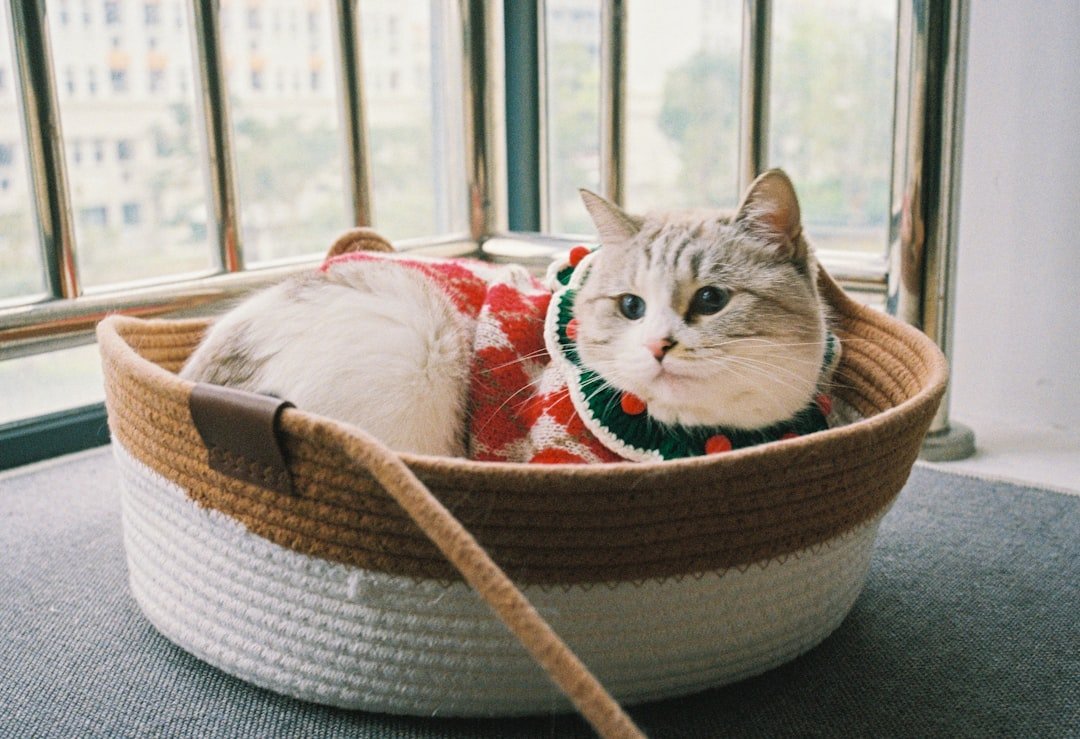
To learn how to get cat used to a carrier, start by leaving the carrier out at home and making it a pleasant place to explore. Go slowly. The goal is to get cat used to a carrier before a vet visit, move, or trip forces the issue, because a cat who can choose to enter has more control and usually feels less trapped.
How to get cat used to a carrier with positive reinforcement steps
Start with a carrier that is safe, sturdy, and large enough for your cat to stand up, turn around, and lie down. Size matters. A hard-sided carrier with a removable top is often practical because it gives you another way to get a nervous cat out at the clinic without pulling them through a small front door, though a well-made soft carrier can work for cats who travel calmly.
Place the carrier in a room where your cat already spends time, with the door secured open so it cannot swing shut unexpectedly. Keep it boring at first. Put a familiar towel, small blanket, or bed inside, ideally one that already smells like your cat, since familiar scent can make a new object feel less suspicious.
Do not place your cat inside yet. Let them investigate. Some cats walk straight in, while others may stare at it for days, sniff the edge, or ignore it completely; all of those reactions are normal at the beginning, and pushing the process too soon can make the carrier feel like a trap.
Build a good association first
Begin by putting a few treats near the outside of the carrier. Make it easy. If your cat eats those treats comfortably, place the next treat just inside the doorway, then farther inside over later sessions. Use a treat your cat genuinely likes, such as a small piece of cooked plain chicken or a favorite commercial cat treat, but keep portions small so practice does not replace regular meals.
Feed part of a meal near the carrier if treats are not very motivating. Move the dish gradually. A cat who is worried may only eat several feet away at first, and that is fine. Keep the bowl at the distance where your cat will eat normally, then shift it a little closer at the next meal or the following day.
Reward any voluntary progress. A sniff, one paw inside, or a calm look toward the carrier counts. Quiet praise can be fine if your cat enjoys your voice, but food, a favorite toy, or a brief gentle pet usually gives a clearer reward when your cat already likes those things.
Use short sessions
Practice for one to three minutes at a time. Stop early. Several easy sessions across a week tend to work better than one long session that leaves your cat frustrated or wary. End after a success, even if that success is only taking a treat at the entrance.
A simple first-week plan can look like this:
- Days one and two: leave the carrier open with familiar bedding, then toss treats beside it.
- Days three and four: place treats just inside the entrance and reward calm sniffing.
- Days five and six: offer treats deeper inside, or feed a small meal just inside the carrier.
- Day seven: reward your cat for stepping in and remaining inside briefly with the door fully open.
There is no deadline. If your cat backs away or stops taking treats, return to the last step that felt easy for a day or two. Progress is rarely perfectly straight, especially in a busy household or after a stressful event such as visitors, construction noise, or another pet bothering the cat near the carrier.
Practice closing the door without rushing
Once your cat willingly enters and stays inside to eat or rest, begin handling the door. Go gently. While your cat is relaxed in the carrier, touch the door, give a treat, and leave the door open. Repeat that until your cat stays comfortable.
Next, move the door an inch or two, reward, and open it again. Build in tiny pieces. When that feels ordinary, close the door for one second, give a treat through the opening if possible, then open it before your cat becomes upset. Increase the closed-door time by a few seconds across separate sessions.
Watch your cat rather than a timer. A cat who eats, blinks slowly, sits normally, or looks around calmly may be ready for the next small increase. A cat who flattens their ears, crouches tightly, growls, claws at the door, pants, or refuses a normally tempting treat needs an easier step and more time.
Do not use the carrier as punishment. Never shut your cat inside after unwanted behavior, and avoid using it only for vet visits. If every carrier appearance predicts a stressful car ride, even a cat that once entered willingly may learn to avoid it.
Add movement and travel practice
After your cat can rest inside with the door closed for a minute or two, lift the carrier a few inches and set it down. Keep it brief. Reward after setting it down, then open the door. Practice carrying it across one room before attempting stairs, the car, or a longer walk outside.
Some cats react most strongly to motion. For those cats, start with a few calm steps around the room, then return the carrier to its usual spot and let the cat leave. The carrier should continue to appear in everyday life, rather than coming out only when something unpleasant is about to happen.
Later, take a short car practice trip if your cat is coping well with indoor movement. Sit in the parked car first. Offer a treat if your cat will take one, then go back inside after a minute or two. On another day, try a very short drive around the block and return home without an appointment attached.
Make travel safer and quieter
Secure the carrier in the car so it cannot slide or tip, usually on the floor behind a front seat or secured according to the carrier and vehicle instructions. Covering part of the carrier with a light towel may reduce visual stimulation for some cats. Leave airflow clear.
Avoid opening the carrier outdoors or in an unsecured car. Cats can move fast. Even a friendly indoor cat may bolt when frightened by traffic, unfamiliar sounds, or a new smell. If you need to check on your cat, wait until you are in a closed, secure room.
When your cat needs extra help
Some cats have strong carrier fear because of past difficult handling, repeated illness, or a history of travel that felt frightening. Be patient. You may need to work at the earliest steps for several weeks, using very high-value rewards and keeping the carrier available as ordinary furniture.
If a veterinary visit is urgent and your cat will not enter, prioritize safe handling over training perfection. A removable-top carrier can sometimes reduce the need to force a cat through the front opening. Contact your veterinary clinic ahead of time for handling advice, and ask what options they recommend for cats that become very distressed during travel.
For routine appointments, begin carrier practice well before the date whenever possible. A few calm minutes several times a week can maintain the habit after your cat has learned it. Keep the carrier accessible, clean any accidents promptly, and replace bedding if it becomes heavily soiled or carries a stressful smell.
The best sign of progress is choice. Your cat may eventually nap in the carrier, but that is not the only successful outcome. A cat who walks in for treats, tolerates a closed door, and can travel with less panic has learned useful coping skills.
Related posts
This post is for general informational purposes only and is not veterinary advice. Every cat is different — if you have concerns about your cat’s health or behavior, please consult a qualified veterinarian.