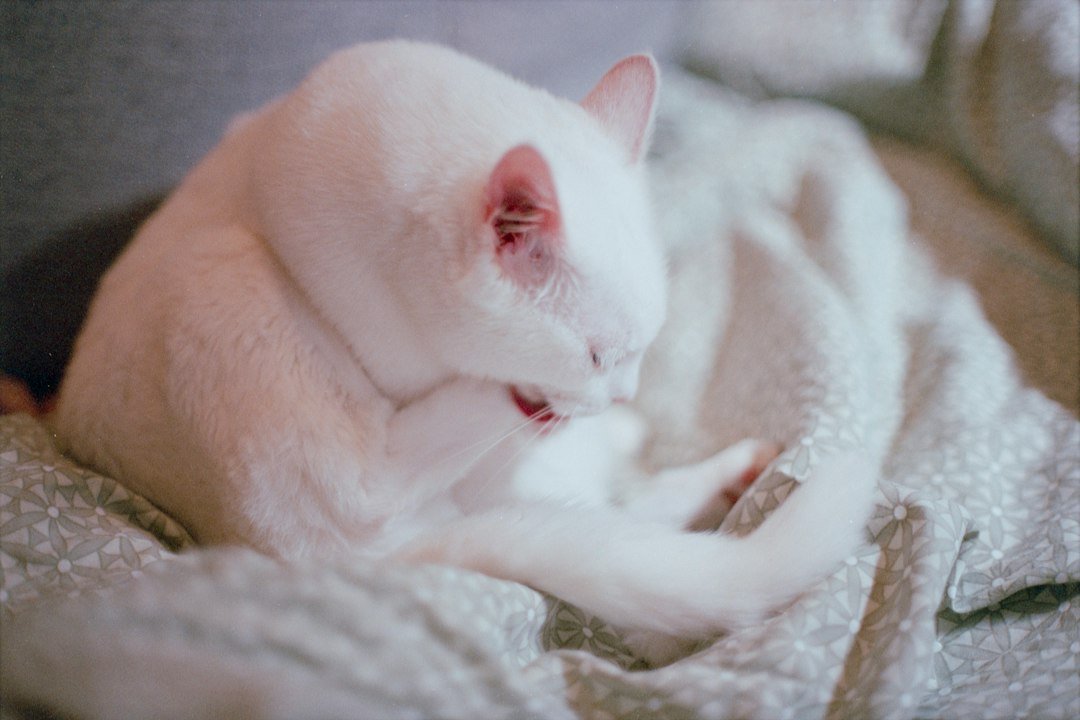
Offer a soft, stable blanket or bed and leave the routine undisturbed if you are asking why does my cat knead before sleeping. Let them settle. Kneading before a nap is usually a comfort behavior, especially when your cat looks loose, calm, and ready to curl up. The slow push-and-release motion can help a cat settle into a familiar sleeping spot, much like people may adjust a pillow before they rest.
Why does my cat knead before sleeping?
Most cats begin kneading as very young kittens while nursing. Their paws press against their mother’s belly to help milk flow, and the movement is closely linked with warmth, food, safety, and rest. That early association can stay with a cat into adulthood. It is a normal habit.
When an adult cat kneads a blanket, cushion, cat bed, or your lap before sleep, they are often repeating a motion that feels soothing. Many cats purr at the same time, half-close their eyes, or turn in a few circles before lying down. Those clues matter. Together, they usually point to a cat who feels secure enough to relax rather than a cat trying to communicate distress.
Kneading can also prepare a resting surface. Wild feline relatives may press down grass or leaves before settling, though a house cat does not need to build a nest to sleep safely indoors. Your sofa is already soft. The behavior can still make a chosen place feel more comfortable and familiar.
Bonding behavior explained
Kneading is often part of bonding behavior because cats tend to do it near people, pets, and objects they trust. A cat who climbs onto your lap, purrs, kneads twice, and falls asleep is often treating you as a safe resting place. That is a nice sign. It does not mean every kneading cat wants extensive petting, though.
Cats combine affection with personal boundaries in ways that can seem mixed to us. Your cat may seek your warmth and scent, knead happily for a minute, then become annoyed if you stroke their back or touch their paws. Watch the whole cat. A relaxed tail, soft ears, slow blinks, and a loose body usually mean the interaction is welcome.
Your scent may be part of the appeal. Cats have scent glands in several areas of the body, including the paws, and kneading may leave a small amount of their scent on a favored blanket or sleeping place. This can make a familiar spot feel reassuring. You may notice it most at bedtime, after laundry day, or when your cat chooses a newly placed throw on the couch.
Some cats knead only one person. Others knead any fleece blanket they can find. Personality plays a role, as do early experiences, home routines, fabric texture, and whether the cat has learned that a particular spot leads to quiet company and a nap. There is no required pattern.
What relaxed kneading usually looks like
Look at the setting and body language before deciding what the behavior means. A cat who kneads briefly before settling is different from a cat who is restless, vocal, or unable to get comfortable. Context helps. The table below can help you sort common situations without treating every paw press as the same message.
| What you see | What it often suggests | What to do |
|---|---|---|
| Slow alternating paws, purring, sleepy eyes | Comfort and preparation for rest | Let your cat settle on a soft surface |
| Kneading your lap with relaxed ears and a loose body | Trust, warmth, or a familiar bonding routine | Stay still if comfortable, or place a blanket between you and claws |
| Sudden hard kneading, tense body, tail flicking, or growling | Overstimulation or discomfort may be involved | Stop handling, give space, and observe what happens next |
| New repetitive behavior plus appetite, mobility, litter box, or grooming changes | A change worth discussing with a veterinarian | Write down the changes and arrange professional advice |
Normal kneading is usually unhurried. The cat shifts weight from one paw to the other, may extend and retract the claws, then gradually lowers their chest and head. Some cats drool a little when deeply relaxed. A small amount of drooling during calm kneading can occur, but drooling that is new, heavy, persistent, or paired with other changes deserves a veterinary call.
Why claws come out
Claws are a common downside. Your cat is not trying to hurt you when their nails catch your leg during a sleepy kneading session. The claw extension is part of the paw movement. It can still sting.
Put a folded blanket, thick towel, or lap pad between your cat and your skin before they begin. Keep it close to the chair or sofa where kneading usually happens, because moving your cat halfway through the ritual may frustrate them. If you need to redirect them, gently slide the blanket under their paws and let them continue there.
Regular nail care also makes lap kneading easier to live with. Use cat nail clippers only on the sharp hooked tip, avoiding the pink quick inside the nail. Do one or two nails when your cat is calm if a full trim causes conflict. Small sessions work well. If nail trimming is difficult or your cat reacts strongly, a groomer or veterinary team can show you safer handling options.
How to support the bedtime routine
You do not need to stop a content cat from kneading before sleep. Instead, make the habit easier and safer for both of you. Keep the sleeping area predictable. A quiet corner, washable blanket, and bed that does not slide around can be enough.
- Choose one soft blanket or padded bed for the usual nap area.
- Place it where your cat already prefers to rest, rather than expecting them to choose a new location immediately.
- Add a barrier over your lap before your cat starts kneading if claws are uncomfortable.
- Use calm, brief petting only if your cat stays relaxed and leans into it.
- Pause contact when you see tail lashing, skin twitching, flattened ears, or a tense body.
Keep the response boring and gentle. Scolding, pushing paws away, or repeatedly removing a cat who is peacefully settling can make the resting spot less pleasant and may create a struggle around handling. You can set boundaries without punishment. Offer the blanket, protect your skin, and let your cat choose whether to stay nearby.
If your cat kneads and suckles a blanket, this can also be a self-soothing habit for some cats. Do not pull the fabric away while they are actively attached to it, since that can startle them or make them clamp down. Choose a sturdy fabric that is not shedding threads, inspect it for loose pieces, and replace it if your cat chews or swallows material.
When a behavior change needs attention
Kneading itself is rarely alarming when it has been part of your cat’s normal routine and they otherwise seem well. New behavior deserves more attention. Call your veterinarian promptly if kneading appears alongside signs such as limping, reluctance to jump, crying when touched, hiding, reduced appetite, repeated vomiting, litter box changes, or an obvious inability to rest comfortably.
Also pay attention if a formerly relaxed cat becomes unusually clingy, restless, or irritable around bedtime. Those changes do not identify a cause by themselves. They do give your veterinarian useful information, especially if you can note when the change began, which body areas your cat avoids, and whether anything in the home changed around the same time.
For most cats, though, the answer is simple: kneading before sleep is a leftover comfort motion that now fits into a safe adult routine. It is usually a quiet compliment. Give your cat a soft place, keep claws manageable, and let their body language tell you whether they want company or space.
Related posts
This post is for general informational purposes only and is not veterinary advice. Every cat is different — if you have concerns about your cat’s health or behavior, please consult a qualified veterinarian.