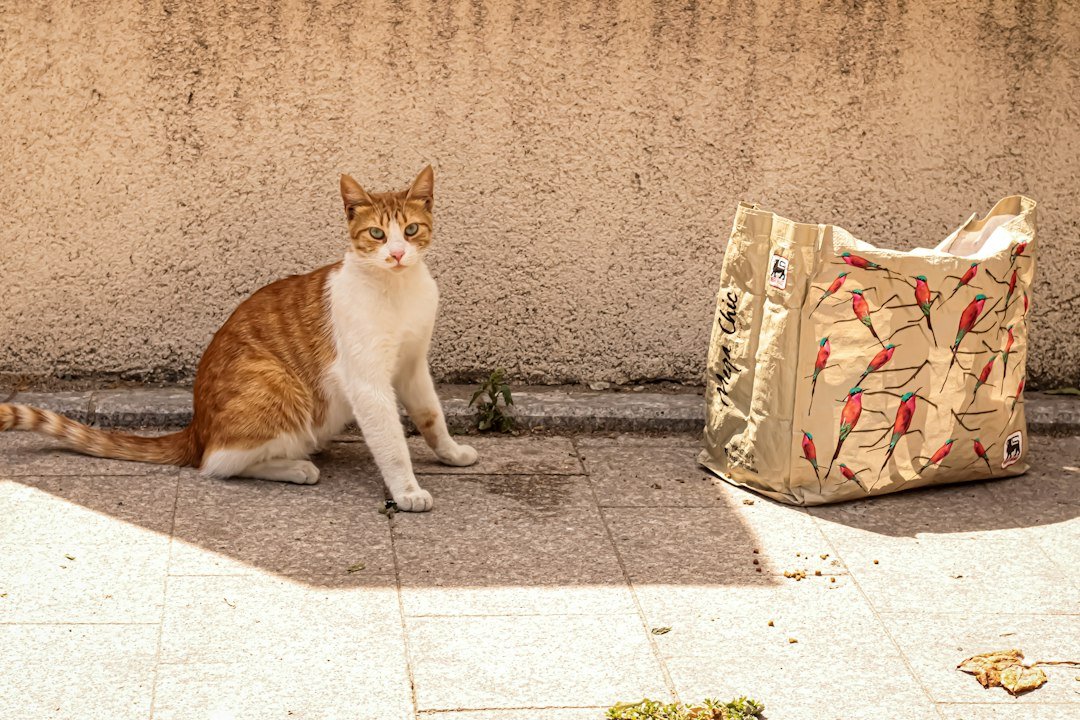
If you wonder, why does my cat lick plastic bags when you are unpacking groceries, the usual reason is that the bag smells interesting, feels unusual on the tongue, or has become a rewarding little habit. It is common. A bag may carry traces of food, oils from hands, pet food dust, or the scent of whatever it held before it reached your home. For some cats, the crinkle and slick surface are part of the appeal, especially when a bag moves under a paw or makes noise during a lick.
The bigger question is whether your cat only gives a bag a quick lick or tries to chew, tear, and swallow it. Those are different situations. A brief supervised lick is less concerning than repeated chewing, because plastic can tear into strips that a cat may swallow without much effort. Even soft grocery bags can create a choking risk or contribute to an intestinal blockage if enough material is eaten.
Why does my cat lick plastic bags?
Food odor is one of the simplest explanations. Cats have a strong sense of smell, and a bag that held meat, fish, cheese, treats, bread, or takeout can remain interesting long after it looks clean to us. Tiny traces matter. A cat may lick the outside seam, handles, or bottom of the bag where food residue collected, then return because the behavior produced a smell or taste they liked.
Texture can matter too. Many cats enjoy smooth, cool, slightly resistant surfaces, and some plastics have coatings or manufacturing residues with a scent that catches their attention. The sound may add excitement. Crinkly bags can trigger a cat’s curiosity because they shift unpredictably when touched, a little like rustling leaves or small prey moving under cover. That does not mean your cat thinks the bag is food, but it can make the bag hard to ignore.
Some bags contain plant-based materials, such as cornstarch-derived compounds, or have additives that smell different from ordinary plastic. Bag formulas vary. That is one reason a cat may obsess over one particular shopping bag while ignoring another that looks nearly identical. Do not assume a bag labeled biodegradable or compostable is safe to chew, though. It can still be swallowed and cause a physical obstruction.
Habit is another common reason. If your cat licks a bag and you immediately look over, talk, laugh, or pull the bag away, the response can accidentally make the event more interesting. Cats do not need a big reaction. Even brief attention can reinforce a behavior in some cats, particularly if it happens during a quiet part of the day when there is little else going on.
Boredom or tension can also play a part. A cat may seek repetitive activities when the home is busier than usual, when routines change, or when they do not have enough suitable outlets for play and exploration. Look at the pattern. Does the licking happen after visitors leave, before dinner, during noisy unpacking, or while your cat is alone in a room? Timing gives you useful clues without requiring you to guess.
Less often, persistent licking or eating of non-food objects can occur alongside a broader pattern called pica, which describes eating items that are not food. This is a description, not a diagnosis. Cats may chew fabric, cardboard, string, foam, or plastic for many different reasons, including behavioral habits and health issues that need a veterinarian’s assessment. Repeated swallowing is the key concern.
Is licking plastic bags dangerous?
Plastic-bag licking is not automatically an emergency, especially if your cat gives a bag one or two licks and walks away. Swallowing plastic is the problem. A bag can stick in the mouth or throat, and strips of plastic may bunch up in the stomach or intestines. Unlike a small amount of ordinary food, plastic does not break down in the digestive system.
Thin plastic is particularly risky when a cat chews it into ribbons. A long strip can act like string inside the digestive tract, and string-like material can cause serious damage as the intestines move around it. Never pull material that is hanging from your cat’s mouth or rear. Call a veterinary clinic for advice instead, because pulling may injure internal tissue if part of the material is anchored farther along.
There is also a suffocation hazard with lightweight bags. A curious cat can put their head through a handle or push their face into an open bag while sniffing for food. It can happen fast. Keep all shopping bags, produce bags, trash liners, dry-cleaning covers, and packing film out of reach, even if your cat has never chewed one before.
Residue on a bag can add risk. A bag may have touched spoiled food, cleaning products, medications, nicotine products, essential oils, pesticides, or other household substances that are unsafe for cats. The plastic itself is not the only issue. If you know a bag contacted a potentially toxic substance, contact a veterinarian or an animal poison service promptly and keep the packaging available if possible.
When to call a veterinarian
Call a veterinarian promptly if you saw your cat swallow plastic, especially a strip, handle, large piece, or anything attached to string, tape, ribbon, or foil. Do not wait for symptoms if you know material was swallowed. Your clinic can tell you whether monitoring, an examination, imaging, or another step makes sense based on your cat’s size, the material, and when it happened.
Seek urgent veterinary advice if your cat has repeated vomiting, retching, drooling, trouble swallowing, a swollen or painful-looking belly, marked tiredness, hiding, loss of appetite, constipation, diarrhea, or repeated trips to the litter box with little produced after possible plastic ingestion. A sudden change matters. Cats often hide discomfort, so a quiet cat who stops eating after chewing plastic deserves attention.
Do not try to make your cat vomit at home unless a veterinarian specifically tells you to do so. Home remedies can create extra problems, and some swallowed objects are more dangerous on the way back up. Avoid giving oils, laxatives, bread, or bulky food to “push” the plastic through. These approaches do not reliably solve an obstruction and may delay proper care.
How to stop the behavior safely
The most effective fix is simple management: remove access before your cat can practice the habit. Put grocery bags away as soon as you unpack, and place used bags in a cupboard with a childproof latch, a drawer, or a lidded bin. Make it routine. Do not leave bags on the floor while you sort groceries, even for a few minutes.
- Unpack food onto a counter or table while your cat has a safe distraction.
- Fold reusable bags and store them in a closed cabinet right away.
- Put disposable bags directly into a covered bin or inaccessible container.
- Check floors for torn handles, packaging scraps, tape, and plastic film.
- Offer an approved toy or a small food puzzle after grocery time.
Give your cat something better to do at the moment they usually target bags. A short wand-toy session, a tossed soft toy, a cardboard scratcher, or a puzzle feeder can redirect attention without turning the bag into a dramatic forbidden object. Keep it calm. If your cat approaches a bag, quietly remove it and guide them toward the alternative rather than scolding or chasing them.
Daily play can help cats that seek crinkly bags during idle periods. Aim for brief sessions that copy a hunt: move a toy slowly, let it dart and pause, then allow your cat to catch it at the end. Let them win. A cat who gets a predictable outlet for stalking and pouncing may be less likely to create excitement by hunting household packaging.
For a cat drawn to smell, clean the area where grocery bags sit and avoid leaving food packaging exposed. Wipe spills. Store treats and dry food in secure containers, since even an empty bag may smell like food to a determined cat. If you use reusable shopping bags, wash them according to their care label and check them for crumbs, leaked food, or loose threads before storing them.
Do not replace plastic bags with ribbon, string, yarn, or elastic as a distraction. Those items can be even more dangerous if swallowed. Choose cat toys made for supervised use, and inspect them regularly for loose pieces. When you cannot supervise, leave out only sturdy toys your cat has used safely before.
Watch the pattern, not one lick
A single curious lick after shopping is usually a management issue. Repeated searching for plastic, chewing holes in bags, waking you to find bags, or swallowing pieces is more significant. Keep a simple note for a week or two: what kind of plastic your cat targets, what was in it, the time of day, whether they ate normally, and whether the behavior followed a change at home. Details help.
Share that pattern with your veterinarian if the behavior is new, escalating, or paired with appetite changes, vomiting, weight changes, dental discomfort, or other unusual behavior. Do not label your cat as naughty. They are responding to something rewarding, interesting, stressful, or uncomfortable, and the safest response is to remove the risk while you work out the trigger.
Frequently asked questions
Why does my cat lick grocery bags but not other plastic?
Grocery bags often carry food odors, spills, and stronger scents from shops or other items in your home. That may be enough. Their thinner texture and loud crinkle can also be more appealing than a firm plastic container. Store them out of reach after unloading groceries, even if they appear clean.
Is it okay if my cat only licks a plastic bag?
A quick lick is generally less risky than chewing or swallowing, but it is still best to remove the bag because behavior can change quickly when a cat becomes excited. Supervision helps. Check whether the bag held food or contacted chemicals, and do not leave it available as a toy.
Can plastic bags make cats sick?
They can if a cat swallows plastic or licks residue from unsafe substances. Symptoms may not appear immediately. Contact a veterinarian if you saw ingestion, and seek urgent advice for vomiting, appetite loss, unusual lethargy, abdominal discomfort, or trouble passing stool after a possible swallowing incident.
Why does my cat chew plastic at night?
Nighttime chewing can happen when the house is quiet and your cat has unused energy, but it can also become a routine because nobody removes the item right away. Make the area safe before bed. Put bags, packaging, cords, and other chewable household items behind closed doors, then offer an evening play session and a safe activity.
Should I use a bitter spray on plastic bags?
It is usually better to remove the bags completely rather than rely on a deterrent product. Some sprays may leave residues you do not want your cat licking, and they do not address the risk if a bag is still accessible. Secure storage is more reliable. Ask your veterinarian before using any product around a cat that mouths objects often.
Related posts
This post is for general informational purposes only and is not veterinary advice. Every cat is different — if you have concerns about your cat’s health or behavior, please consult a qualified veterinarian.