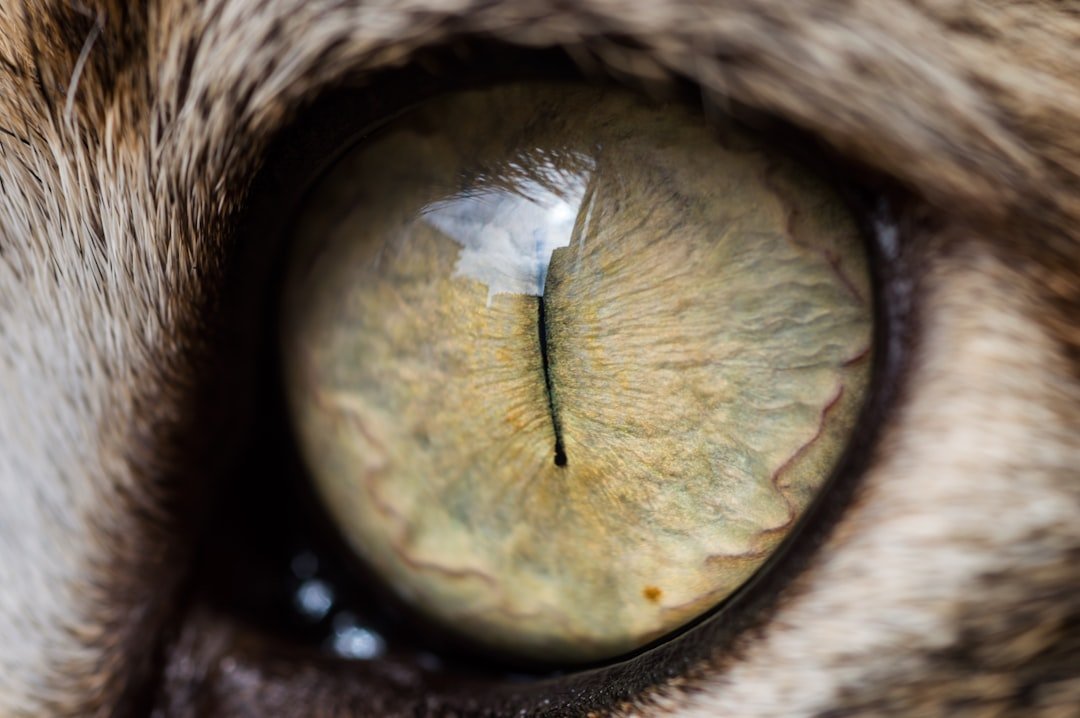
Your cat jumps down from the windowsill with a pale film over one eye: cat third eyelid showing causes range from normal drowsiness to painful eye trouble. Check it now. If the membrane stays up while your cat is fully awake, especially in one eye, arranging a veterinary check is the safest next step because eye problems can change quickly.
The third eyelid is a thin, pale membrane at the inner corner of each eye. It is also called the nictitating membrane. Most of the time, you barely see it because it helps protect and moisten the eye beneath the regular eyelids.
Cat third eyelid showing causes
A third eyelid may show briefly when a cat is deeply relaxed, waking up, or drifting off to sleep. That can be normal. It should usually slide back out of sight once the cat is alert and moving around normally.
Persistent visibility is different. A raised third eyelid can happen when the eye is sore, inflamed, scratched, dry, or affected by debris such as dust, plant material, or loose litter. Cats often hide eye pain well, so a cat may still eat or walk around even when the eye needs attention.
If one third eyelid is visible more than the other, think about a problem in that eye first. Watch closely. Squinting, tearing, redness, cloudy changes, yellow or green discharge, rubbing the face, or keeping the eye partly shut all make an eye examination more urgent.
When both third eyelids are showing, the cause may be less directly related to the eyes. A cat that feels generally unwell, has stomach upset, is dehydrated, has lost weight, or is recovering from an illness may show both membranes. Some cats also develop a temporary bilateral third-eyelid protrusion alongside digestive upset. The appearance alone cannot tell you why it is happening.
A visible membrane can also result from the gland behind it becoming swollen or displaced. The inner corner may look like a rounded pink or red lump. This is often called cherry eye. It needs veterinary assessment because the gland contributes to normal tear production.
Less commonly, changes in nerves that control the eye and eyelids can alter the third eyelid position. This is not a home diagnosis. A veterinarian can compare both eyes, check pupil responses, look for injury, and decide whether the issue is confined to the eye or connected to the cat’s overall health.
When to call the veterinarian
Eye issues deserve a lower threshold for care than many minor skin or coat changes. Do not wait. The eye surface is delicate, and a scratch or ulcer can worsen without looking dramatic at first.
| What you see | What to do |
|---|---|
| The third eyelid appears for a few minutes after a nap, then disappears. Your cat acts normal. | Observe and make a note of when it happened. Check again when your cat is fully awake. |
| The membrane stays visible for several hours, returns repeatedly, or is present in both eyes with reduced appetite, vomiting, diarrhea, or low energy. | Contact a veterinarian the same day or ask for their next available guidance. Mention all body-wide signs. |
| One eye is squinting, closed, red, cloudy, swollen, tearing heavily, or has thick discharge. | Seek a same-day veterinary appointment. Keep the cat indoors and stop face rubbing if you can do so safely. |
| The eye looks injured, the pupil shapes differ, there is blood, a sudden bulging eye, severe pain, or your cat cannot keep the eye open. | Use urgent veterinary or emergency care. Do not try to remove anything stuck in the eye. |
A kitten, older cat, or cat with known health concerns also deserves earlier advice when the third eyelid remains visible. Trust the change. You know what your cat’s normal bright, open-eyed look is better than anyone else.
Safe home care tips while you arrange help
Home care cannot fix the underlying cause of a persistent third eyelid. Keep it simple. The goal is to prevent extra irritation, gather useful observations, and avoid treatments that can make an eye harder to assess.
- Look without touching. Compare the eyes in good indoor light. Note whether one or both third eyelids show, whether the membrane is pale or red, and whether there is swelling or discharge.
- Take a clear photo. Take one from the front and one from each side if your cat is comfortable. A time-stamped photo can help you tell whether the membrane is improving, and it gives the veterinary team a useful starting point.
- Keep your cat indoors. Outdoor dust, wind, rough play, and contact with other animals can add irritation. Offer a quiet room if your cat wants rest.
- Clean only the fur around the eye. If discharge has dried on the coat, use a soft pad lightly dampened with plain warm water and wipe away from the eye. Use a fresh pad for the other eye.
- Watch food, water, litter box use, and energy. Brief notes are enough. Changes outside the eye can matter when both third eyelids are visible.
- Prevent rubbing when possible. If your cat is persistently pawing at the eye, contact a veterinarian promptly. An appropriately fitted recovery collar may help protect the eye, but do not force one onto a frightened or struggling cat.
Do not use human redness-relief drops, leftover prescription eye medication, antibiotic ointment, steroid drops, contact lens solution, herbal rinses, or tea. Skip them. Some products sting, some are unsafe for cats, and steroid-containing drops can be harmful if the cornea has an injury.
Do not try to push the third eyelid back with a finger, cotton swab, or tissue. Do not flush an eye if an object seems embedded. These attempts can scratch the surface or drive material deeper, even when the visible problem looks small.
What a veterinary visit may involve
A veterinarian will usually ask when the third eyelid appeared and whether it affects one eye or both. Bring your notes. Photos, recent behavior changes, and any vomiting, loose stool, appetite change, or possible injury are useful details.
The examination may include checking the eye surface with a special stain, measuring tear production, looking under the lids, and assessing the pupils and surrounding tissues. Your veterinarian may also recommend a broader examination if both eyes are involved or your cat seems unwell. The treatment depends on the cause, so avoiding random drops before the visit helps preserve a clearer picture.
Frequently asked questions
Can a cat’s third eyelid show when they are tired?
Yes. A third eyelid can briefly show during deep sleep or in the minutes after waking. That is usually short-lived. If it remains visible once your cat is alert, walking around, and looking at you normally, monitor closely and contact a veterinarian if it does not settle.
Why is only one of my cat’s third eyelids showing?
One visible third eyelid often means that eye is uncomfortable or affected by a local problem. It may be irritation, an injury, inflammation, or another eye condition. Squinting is a warning sign. A same-day appointment is sensible when one eye looks painful, red, cloudy, or produces discharge.
Can I use saline to rinse my cat’s eye?
Do not use homemade salt water, contact lens solution, or multipurpose eye products. Keep it basic. You can gently soften dried discharge on the surrounding fur with warm water, but persistent discharge, debris in the eye, or a visible third eyelid calls for professional guidance rather than repeated rinsing.
Will the third eyelid go away on its own?
It may disappear on its own after sleep if your cat is otherwise well. A persistent third eyelid may improve only when the underlying issue is addressed. Do not judge it by appearance alone, because some painful eye problems can look mild early on.
Is a pink lump in the corner of the eye the third eyelid?
A pink or red round lump near the inner corner can involve the gland associated with the third eyelid. It is not something to treat at home. Arrange a veterinary visit, particularly if the lump remains, grows, or your cat is rubbing the eye.
Related posts
This post is for general informational purposes only and is not veterinary advice. Every cat is different — if you have concerns about your cat’s health or behavior, please consult a qualified veterinarian.