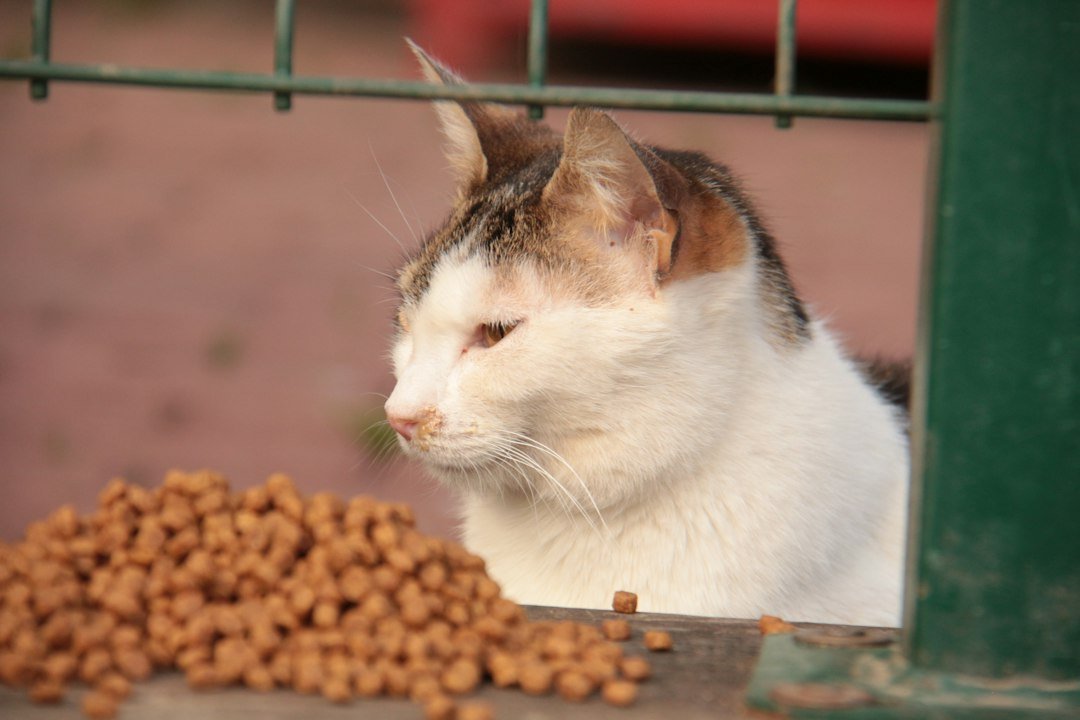
A common misconception is that freeze-dried vs raw cat food means choosing between processed food and real meat. That is not quite right. Freeze-dried food is usually raw food with most of its water removed, while fresh raw food is sold refrigerated or frozen with its natural moisture still present. For the average healthy adult cat, I would choose a complete freeze-dried food and rehydrate it before every meal. It is easier to store, measure, and use consistently, which matters more than many owners expect. Fresh raw can win when a cat strongly prefers it, needs more moisture in meals, and the household can handle raw food safely every single time.
The word raw does not automatically mean healthier. Neither does freeze-dried. A cat food is only a strong daily choice when it supplies the nutrients cats need in suitable amounts, provides enough calories for that individual cat, and is fed in a way the household can maintain. Consistency matters. A bag of freeze-dried chicken pieces or a tray of raw ground meat may look like cat food, but either product can be a treat, topper, or incomplete meal rather than a balanced diet.
Freeze-dried vs raw cat food for everyday feeding
My clear recommendation for most homes is a commercially prepared, complete freeze-dried diet that you add water to before serving. It keeps many of the practical qualities people want from raw-style feeding, yet it avoids having thawing packages and perishable leftovers sitting in the refrigerator. The food is still raw. Freeze-drying removes water under controlled conditions, which makes the product shelf-stable until opened, but it does not turn it into cooked kibble. Rehydrating restores moisture to the bowl, and that is useful because many cats naturally drink less water than their owners would like.
This recommendation assumes the package says the food is complete and balanced for your cat’s life stage, not simply a supplemental product. Read that line. In the United States, labels often refer to AAFCO nutrient profiles or feeding trials. Other countries use their own labeling systems, so look for an equivalent statement that the food is intended as a complete daily diet for kittens, adults, or all life stages. A topper can be fine in a small amount, but it should not quietly replace most of a balanced meal.
What actually makes one option healthier
Nutrition comes before format. Cats require animal-based protein, specific amino acids such as taurine, essential fatty acids, vitamins, and minerals in appropriate proportions. Muscle meat alone does not cover that job. Whole-prey style ingredients can sound reassuring, yet the final nutrient balance still depends on formulation and quality control. The label matters. A carefully formulated freeze-dried recipe can be a more dependable staple than a homemade raw bowl made from meat, liver, and supplements added by guesswork.
Moisture is the biggest built-in advantage of fresh raw food. Frozen or refrigerated raw diets generally contain much more water before serving than dry freeze-dried pieces. That can support a higher total fluid intake for cats that eat the food readily. Still, freeze-dried food does not have to stay dry. If a meal calls for one-quarter cup of food and you mix in a few tablespoons of warm water, then offer it promptly, you have changed the texture and added fluid without changing the food’s nutrient balance. Start slowly. Some cats like a soft porridge-like meal, while others accept only lightly moistened nuggets at first.
Freeze-dried food is also dense in calories because the water is gone. A small scoop may provide much more energy than it appears to. That makes accurate measuring important, especially for indoor cats with modest activity levels. Check the feeding guide, then weigh your cat regularly if you can do so without making it stressful. A gradual trend tells you more than one day. If body condition or appetite changes sharply, contact a veterinarian rather than repeatedly making large food changes at home.
A complete frozen raw diet and a complete freeze-dried diet can both provide good nutrition on paper. There is no universal rule that one processing method preserves every nutrient better in a way that makes all cats healthier. Manufacturers formulate around processing losses, ingredient variation, and target nutrient levels. What you can assess as a buyer is simpler: whether the food is complete, whether the company gives clear feeding and storage instructions, whether your cat eats it well, and whether it is practical for you to use correctly for months rather than days.
When fresh raw food has the edge
Fresh raw can be the better choice for a cat that will not eat rehydrated freeze-dried food but eagerly eats a complete frozen raw diet. Food that stays in the bowl does no good. It can also suit cats whose owners want the naturally soft, high-moisture texture without needing to add water at mealtime. Some cats are particular. Fresh raw may feel closer to the texture of freshly opened wet food, while rehydrated freeze-dried diets can remain grainy or crumbly even after soaking.
It works best when the routine is strict. You need freezer space, a reliable way to thaw portions in the refrigerator, washable bowls, clean preparation surfaces, and a plan for discarding leftovers according to the maker’s directions. Buying convenient pre-portioned raw food can reduce mess and measuring errors, though it does not remove the need for careful hygiene. Use cold storage. If your schedule often changes or other people feed the cat, this routine can be harder to maintain than it first seems.
Fresh raw may also make sense if you are feeding several cats and can use thawed portions quickly without waste. A multi-cat home can finish a refrigerated container before its usable window closes. A single-cat home often cannot. Prices vary by region, recipe, and retailer, but frozen raw usually costs more per calorie than standard dry foods and may create more spoilage if portions are not planned. That expense is only worthwhile if the food is complete, your cat thrives on it, and the handling routine is realistic for your household.
Where freeze-dried food is the stronger option
Freeze-dried food wins on day-to-day convenience. An unopened package can usually be stored in a cool, dry cupboard, and you can pour out a small portion without thawing a full container. That makes it especially useful for one-cat homes, travel days, pet sitters, and owners who prefer to feed measured meals rather than manage a thawing schedule. It is simpler. Once water touches the food, however, treat the bowl like any other perishable raw meal and follow the package instructions about how long it may stay out.
It also gives you more control over moisture. A cat who happily eats food with added water can get a very wet meal, while a cat who rejects soupier textures can receive only a little water at first. This flexibility is useful during transitions. Do not leave dry freeze-dried food available all day if you cannot track how much your cat eats, particularly when weight management is a concern. Measured meals make it easier to spot a real appetite change.
Convenience is a health factor in a practical sense. A food that is stored correctly, portioned correctly, and fed as a complete diet is more likely to meet your cat’s needs consistently than a more demanding option that gets mishandled or abandoned after two weeks. That is not glamorous. It is useful. The best food format is one your cat eats willingly and you can prepare safely without cutting corners when life gets busy.
Raw-food safety needs an honest look
Both fresh raw and freeze-dried raw foods can contain bacteria or other pathogens. Freeze-drying reduces water activity, which helps preserve food, but it is not the same as cooking or sterilizing. A product can look dry, clean, and tidy while still needing raw-food precautions. This is the main reason some households decide against either option. The risk deserves attention, especially if anyone in the home is very young, elderly, pregnant, or has a weakened immune system.
Use separate preparation tools if possible, wash hands with soap after touching the food or bowl, clean the feeding area, and prevent your cat from walking across food-prep counters after a meal. Keep fresh raw cold until serving. Do not thaw it on the counter. Throw away uneaten rehydrated or fresh raw food according to the product label rather than saving it indefinitely for the next meal. These habits are boring. They lower the chance that raw-food handling becomes careless.
Talk with your veterinarian before feeding raw food if your cat has a complex medical history, is very young, is older and frail, or lives with a person whose health makes foodborne illness a greater concern. That conversation is not about judging your choice. It helps you weigh the specific risks and alternatives. A complete canned diet, for example, can provide high moisture without the same raw-food handling concerns. It is a valid option if raw no longer feels like a sensible fit.
How to compare products before buying
Ignore the dramatic package language for a moment and compare the basics. Look first for a complete-and-balanced statement that matches your cat’s life stage. Then check whether the product is meant to be fed dry, rehydrated, or as a topper. Some freeze-dried products are sold as meal mixers, and their attractive ingredient lists can make that easy to miss. Read the small print. A food intended for occasional supplementation should remain a small part of the total diet unless a veterinary professional has advised otherwise.
- Check the life-stage statement. Kittens need food formulated for growth, while adult maintenance food is intended for mature cats.
- Find the calorie information. Compare calories per ounce or per patty, not only the bag price.
- Read the rehydration directions. Use the stated amount of water as a starting point, then adjust texture gradually if your cat accepts it.
- Check storage instructions. Note how long fresh food can thaw and how leftovers should be handled after water is added.
- Review the ingredient and nutrient information. A named animal protein is useful, but the complete formulation matters more than the first ingredient alone.
Here is a simple shopping example. Suppose one freeze-dried bag costs more upfront but contains 2,000 calories after rehydration, while a smaller frozen raw package contains 900 calories. Divide the package price by total calories to compare their actual feeding cost. That is clearer than comparing package weights because water makes fresh raw food much heavier. Do the same calculation for treats and toppers. Small extras can add meaningful calories without providing a complete meal.
Switching without upsetting the routine
Change foods gradually unless your veterinarian has given different instructions. A cautious approach is to offer about one-quarter of the new food with three-quarters of the old food for several days, then move toward an even split, then three-quarters new, before feeding the new diet alone. Go slower if your cat becomes reluctant to eat or develops loose stool. Cats dislike sudden changes. Never try to make a cat accept a new diet by withholding food for an extended period.
Rehydration deserves its own transition. If your cat currently eats crunchy food, first add a teaspoon of warm water to the freeze-dried portion and wait a few minutes. Increase the water over several meals as the cat accepts it. Use plain water. Broth, milk, and flavored liquids can introduce ingredients or calories you did not plan for, and some products contain onion or garlic that are not suitable for cats.
Watch the whole cat, not just the empty bowl. Track appetite, stool consistency, body weight trend, coat condition, energy, and how readily your cat approaches meals. One skipped bite may mean nothing. Refusing food, repeated vomiting, diarrhea that persists, marked lethargy, or a sudden change in drinking or litter-box habits calls for veterinary guidance. Food is not the only possible cause. Avoid assuming that a reaction proves one format is inherently bad for your cat.
The practical verdict
For the most common situation, choose a complete freeze-dried cat food and rehydrate it before serving. It gives you shelf stability, easy portion control, and a way to add moisture, while avoiding much of the daily thawing and storage work that comes with fresh raw. Choose a brand with clear complete-diet labeling and follow its preparation directions. Keep it simple. If your cat does well with that routine, there is usually no health reason to chase a more complicated format.
Choose fresh raw instead when it is a complete commercial diet, your cat clearly eats and tolerates it better, you want its built-in moisture, and everyone handling it can follow careful food-safety practices without exception. Do not choose it solely because a package suggests that raw is automatically superior. The same caution applies to freeze-dried food. A balanced recipe, sensible portions, clean handling, and a cat who reliably eats the food are the things that make the biggest difference over time.
Related posts
This post is for general informational purposes only and is not veterinary advice. Every cat is different — if you have concerns about your cat’s health or behavior, please consult a qualified veterinarian.