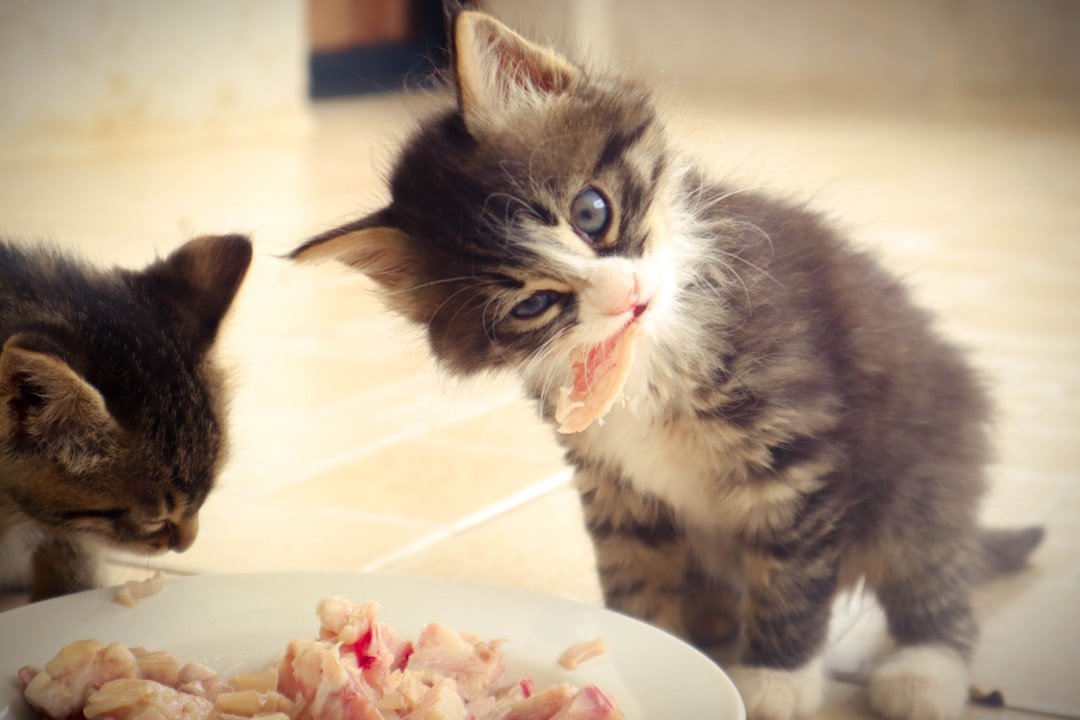
Getting meal frequency and portion sizing right from the start sets your kitten up for lifelong health. Learning how to feed kittens properly means understanding that their tiny bodies burn energy faster than adult cats, and their nutritional needs shift dramatically week by week. This guide walks you through exactly what your kitten needs at each stage, from weaning through their first year.
Why Kitten Nutrition Matters Right Now
Kittens grow faster than any other pet. By 12 months old, they’ve reached nearly 95% of their adult size. That explosive growth demands more calories, more protein, and more specific nutrients than adult cats require—which is why feeding adult food to a growing kitten leaves them malnourished, even if they seem satisfied.
Most people don’t realize their kitten’s feeding schedule needs to shift every few weeks during the first year.
You’d think all kitten formulas deliver the same nutrition—they usually don’t. Some cut corners on taurine, an amino acid kittens cannot synthesize themselves. Others contain fillers that make kittens feel full without delivering dense calories. When you learn how to feed kittens properly, you’re not just picking a brand; you’re choosing their growth trajectory.
| Age Range | Meal Frequency | Portion Per Meal (Wet) | Portion Per Meal (Dry) |
|---|---|---|---|
| 6–8 weeks | 4 meals daily | About 1–2 tablespoons | About 1/4 cup total daily (divide by 4) |
| 8–12 weeks | 3 meals daily | About 2–3 tablespoons | About 1/3 cup total daily (divide by 3) |
| 3–6 months | 3 meals daily | About 3–4 tablespoons | About 1/2 cup total daily (divide by 3) |
| 6–12 months | 2 meals daily | About 4–5 tablespoons | About 3/4 cup total daily (divide by 2) |
How to Feed Kittens Properly: The Complete Feeding Checklist
- Confirm your kitten’s exact age with your vet before adjusting meal frequency
- Choose AAFCO-certified kitten food formulated for growth, not maintenance
- Check the protein percentage is at least 30% for wet food, 35% for dry
- Verify taurine is listed as a named ingredient, not just implied
- Measure portions with a kitchen scale rather than eyeballing to prevent overfeeding
- Watch your kitten’s weight weekly and adjust portions if ribs become impossible to feel or too prominent
- Never mix kitten and adult food unless your vet recommends a gradual transition
- Keep fresh water available between meals and after each feeding session
Step-by-Step: How to Feed Kittens Properly at Every Stage
Condition: You’ve just brought home a kitten between 6 and 12 weeks old, and you’re unsure whether feeding should happen on a strict schedule or on demand.
Audience: New cat owners aged 25–50 who want to avoid common feeding mistakes and establish healthy eating patterns from day one.
Method: Scheduled feeding with measured portions replaces free-feeding because it prevents obesity, helps with litter box training, and lets you monitor your kitten’s health through appetite changes.
Steps to follow:
- Determine your kitten’s current age in weeks and cross-reference the feeding table above for the correct meal frequency for that stage.
- Purchase kitten-specific wet and dry food—mixing both ensures your kitten stays hydrated while getting dense calories from kibble.
- Measure one day’s total food amount using the table, then divide by the number of meals; this is your per-meal portion.
- Set a consistent feeding schedule; for example, if your kitten needs 4 meals, feed at 7am, 11am, 3pm, and 7pm.
- Place the measured portion in a clean bowl, allow your kitten 15–20 minutes to eat, then remove any uneaten food.
- Watch for signs your kitten is growing appropriately: steady weight gain, clear eyes, a full coat, and energy levels that match a healthy kitten’s play style.
- At 12 weeks, transition from 4 meals to 3 meals by combining two meals into one larger portion over 3–5 days.
- Continue reducing meal frequency every 4–6 weeks until your kitten reaches 12 months and moves to twice-daily adult feeding.
Here’s where most cat owners give up: they stick with 4 meals for too long because the kitten seems fine. That’s backwards. Your kitten is thriving *because* they’re eating frequently; skipping the transition creates stress and dietary imbalance.
Portion Sizing and Meal Frequency Mistakes to Avoid
I’ve lived with cats for years, and overfeeding is the single most common mistake I see in new kitten owners. Your kitten might cry between meals, but crying doesn’t mean hunger—it often means boredom or the kitten testing boundaries.
Free-feeding (leaving food out all day) ruins meal frequency structure and creates obese cats by age two.
Switching foods abruptly causes digestive upset. When you learn how to feed kittens properly, you’re also learning to transition foods gradually over 7–10 days, mixing increasing amounts of new food with decreasing amounts of the old formula. I’ve seen so many cat owners introduce new food cold and then blame the food when their kitten vomits or has diarrhea.
Mixing kitten and adult formulas confuses your kitten’s nutrition profile. Your kitten needs higher calorie density and specific growth nutrients that adult food lacks. Stick with one formula through the transition at 12 months.
My Picks for This
- Royal Canin Kitten Wet Food: Formulated specifically for kittens aged 4–12 months with precise amino acid ratios that support skeletal and immune development.
- Purina Pro Plan Focus Kitten Dry Food: High protein content with added DHA for brain development; portion sizes align easily with the feeding table above.
- Wellness CORE Grain-Free Kitten Formula: No by-products or fillers; high meat content keeps kittens satisfied longer between meals while supporting lean muscle growth.
- Hill’s Science Diet Kitten Wet Food: Veterinarian-recommended blend that balances nutrition for growth without excess calories that lead to premature obesity.
- Catit Fountain Stainless Steel: Keeps water fresh and moving between meals, encouraging hydration during the critical growth phase when many kittens drink too little.
Frequently Asked Questions (FAQ)
Q1. How much should I spend on kitten food per month?
Premium kitten formulas typically cost between a range that varies by brand and region, but expect to spend more on kitten food than adult food because kittens eat more frequently. Wet food costs more per serving than dry, but mixing both is worth the investment during growth stages. Compare cost-per-ounce rather than package price to find the best value.
Q2. Can I feed my kitten the same food as my adult cat?
No. Adult cat food contains fewer calories and lower protein levels than kittens require. Feeding adult food to a growing kitten may slow their growth, weaken bone development, and create nutritional deficiencies. Stick with kitten formulas until your cat reaches 12 months, then transition slowly to adult food over 7–10 days.
Q3. How do I know if I’m feeding the right portion size?
Your kitten should have visible ribs that you can feel when you gently press their sides, but not ribs you can see prominently from across the room. A healthy kitten’s belly has a gentle curve but no hanging pouch. Weigh your kitten weekly; steady growth of about 1–2 pounds per month (depending on breed) indicates correct portions.
Q4. What if my kitten refuses the new food?
Most kittens reject new foods because the transition happened too quickly. Go back to the old food and restart the transition over 10–14 days instead of 7 days. Mix only 25% new food for the first 3 days, then increase in 25% increments. If your kitten still refuses after a full transition, consult your vet—some kittens have true food sensitivities.
Q5. Should I give my kitten treats, and does that affect meal frequency?
Treats should account for no more than 10% of your kitten’s daily calorie intake. When you learn how to feed kittens properly, you’re accounting for treat calories in your total daily portions. A kitten eating 4 meals daily can handle one small training treat between meals without disrupting their nutrition, but adjust your meal portions down slightly if treats become frequent.
Q6. When should I switch from kitten food to adult food?
Most cats are ready to transition at 12 months old. Larger breeds like Maine Coons may benefit from extended kitten nutrition through 18–24 months—ask your vet. Start the transition at month 11 by mixing in 10% adult food with your kitten’s current formula, increasing the ratio weekly until the transition is complete by month 12.
This post is for informational and general educational purposes only. It does not constitute professional veterinary advice, medical diagnosis, nutritional guidance, or behavioral therapy. Always consult a licensed veterinarian before making decisions about your cat’s health, diet, medication, or treatment — especially if your cat is showing signs of illness, distress, or behavioral changes. Product recommendations on this site are based on general research and owner experience; individual results may vary depending on your cat’s breed, age, weight, and health condition. Prices, product availability, formulations, and specifications are subject to change without notice — always verify current details directly with the manufacturer or retailer before purchasing. Feeding guidelines, portion sizes, and nutritional information referenced in this post are general estimates only and should not replace personalized advice from your veterinarian or a certified feline nutritionist. If your cat is pregnant, nursing, underweight, overweight, or managing a chronic condition, seek professional guidance before changing their diet or care routine. This site may contain affiliate links — if you purchase through our links, we may earn a small commission at no extra cost to you. We only reference products we believe may be genuinely useful, but we encourage you to do your own research before buying.