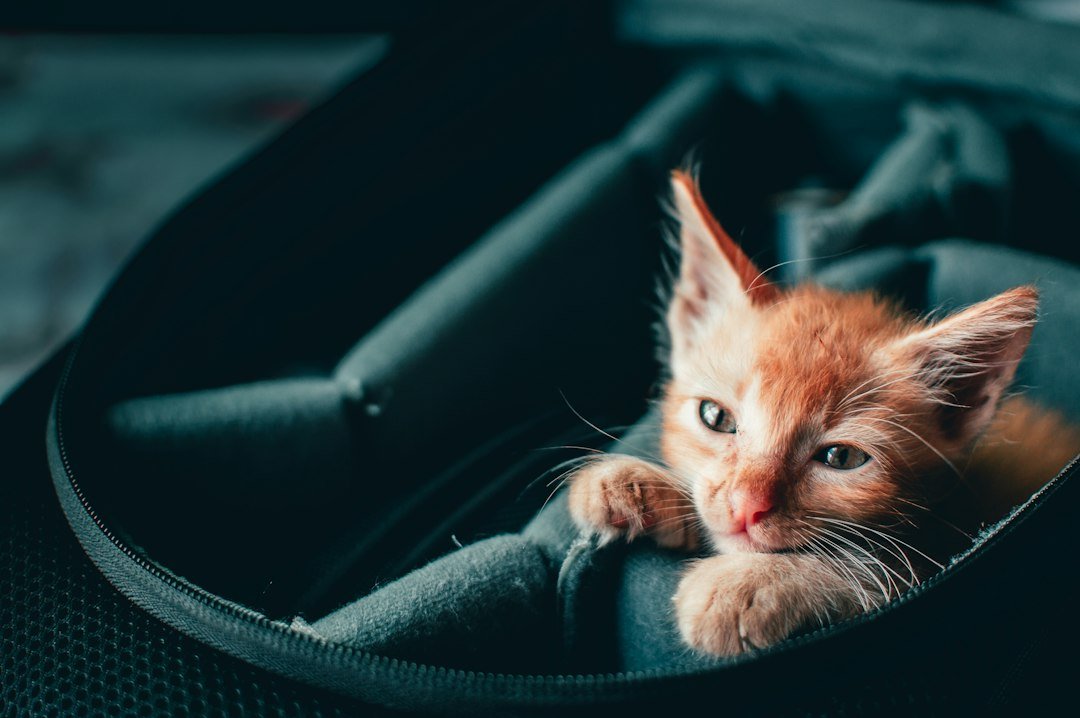
How to transport a cat safely is one of the most practical skills you’ll develop as a cat owner. Whether you’re heading to the vet, moving to a new home, or facing an emergency, knowing how to transport a cat safely separates stressful trips from smooth ones. Most cats hate being moved, but the right preparation and approach make all the difference.
Quick Reference: Transport Situation Comparison
| Transport Scenario | Carrier Type | Prep Time | Calming Approach |
|---|---|---|---|
| Routine vet trips | Hard-sided carrier, well-ventilated | 30 minutes before | Feliway spray, favorite toy inside |
| Moving day | Secure hard carrier or pet crate | Several days advance acclimation | Familiar bedding, gradual introduction |
| Emergency situations | Whatever carrier is available immediately | None — prioritize speed | Calm voice, minimize noise and movement |
| Long-distance travel | Crash-tested carrier with harness option | Weekly practice runs beforehand | Breaks every 2–3 hours, water access |
Pre-Transport Checklist: What to Do Before You Move Your Cat
- Confirm your cat’s microchip is registered and current with your contact details
- Keep vaccination records and medical documentation accessible in the car
- Place a recent photo of your cat on your phone in case they escape
- Clean the carrier thoroughly and let your cat investigate it for several days before transport
- Consult your vet if your cat has anxiety, heart conditions, or respiratory issues that affect travel safety
- Ensure the carrier has proper ventilation and is not placed in direct sunlight while traveling
Why Cats Resist Transport and What Actually Works
You’d think cats resist carriers because they’re confining — usually it’s because carriers smell unfamiliar and signal something stressful is coming. I’ve lived with cats for years, and I’ve learned that your cat’s anxiety starts days before the actual trip. They pick up on your nervous energy, they remember past vet visits, and they sense the carrier being dragged from the closet.
Most people don’t realize that leaving the carrier out permanently, even empty, transforms it from a threat into furniture. Fill it with a soft blanket, spray it lightly with Feliway, and let your cat nap in it for weeks before transport. When moving day or a vet appointment arrives, your cat is already comfortable inside.
I’ve seen so many cat owners force their pets into carriers while panicked, triggering defensive behavior that makes the entire transport harder. Instead, place the carrier upright with the door open, gently place your cat inside, close the door slowly, and speak in your normal voice. Most cats settle within minutes if you avoid sudden movements and loud tones.
Step-by-Step: How to Transport a Cat Safely for Vet Trips, Moving Day, and Emergencies
Understanding Your Cat’s Transport Needs
Transport situations fall into three categories: routine vet visits where you have time to prepare, moving day where you have several days, and emergencies where speed matters most. Your approach changes depending on the scenario, but the core principle stays the same: minimizing stress and preventing escape.
Your Target Audience
This applies to any cat owner handling transport, whether you’re a first-time adopter nervous about the first vet appointment, someone relocating with a nervous cat, or an experienced owner preparing for an unexpected crisis. Young adult and middle-aged cat owners in North America face these situations regularly and need practical, proven methods.
The Method: Carrier Selection and Conditioning
The foundation of safe transport is the right carrier and early conditioning. Hard-sided carriers with secure latches outperform soft-sided options because they don’t collapse if your cat panics. The carrier should be large enough for your cat to stand, turn around, and lie down comfortably. Airline-approved carriers work best because they meet safety standards beyond just looking sturdy.
The Steps You’ll Actually Follow
- Select a hard-sided carrier appropriate for your cat’s weight and size, then leave it accessible in your home for 7–14 days before transport day. Place treats and toys inside to create positive associations.
- On transport day, 30 minutes before departure, spray the carrier’s interior lightly with Feliway and place your cat’s favorite blanket or toy inside to create a familiar scent environment.
- Gently place your cat in the carrier during a calm moment, avoid sudden noises or movements, and secure the door immediately but without slamming.
- Keep the carrier level and secure in your vehicle using a seat belt or carrier restraint system to prevent sliding during stops or turns.
- Maintain a calm, quiet environment during the drive — no loud radio or sudden acceleration that increases stress.
- For vet trips, carry your cat directly into the examination room inside the carrier rather than exposing them to the waiting room chaos first.
- For moving day, transport your cat in a separate vehicle or in a secure carrier on a seat, never in a moving truck or van where temperature and safety cannot be controlled.
- For emergencies, move quickly and calmly to get your cat to the veterinary clinic — speed and professional care override all comfort considerations in urgent situations.
Where Most Cat Owners Give Up
This is the part that actually matters: patience. If your cat has never been in a carrier and you’re attempting transport for the first time during an actual vet appointment, expect resistance. The solution is starting weeks earlier with the carrier sitting open on your bedroom floor. Your cat will eventually explore it, nap in it, and see it as safe rather than a threat.
For moving day, separate your cat into a quiet room with food, water, and a litter box before the movers arrive. Transport them once the house is empty and you’re ready to set up their new space. This prevents escape during chaos and reduces overwhelming sensory input.
My Picks for This
- Sherpa Original Deluxe Carrier — Airline-approved design with multiple ventilation panels and a padded interior that cat owners across the US and UK trust for both routine vet trips and occasional travel.
- Feliway Classic Diffuser — Plug-in or spray option that reduces transport anxiety by mimicking natural cat calming pheromones, effective for preparation days and during vehicle rides.
- Frisco Furniture Travel Pet Carrier — Sturdy collapsible design that stores easily but maintains secure latches, eliminating the closet-space complaints many owners have about hard carriers.
- Kong Comfort Carriers — Soft fabric exterior with hard-sided protection, includes a removable fleece mat for familiar scent during vet trips and emergency transport.
- Kaytee Multi-Use Carrier — Meets airline standards and works for cats or small dogs, backed by veterinary recommendations and built with reinforced corners that handle years of transport stress.
Frequently Asked Questions (FAQ)
Q1. How long should I acclimate my cat to the carrier before a vet trip?
Start conditioning at least one week before a routine vet appointment, ideally two weeks. For moving day, begin 3–4 weeks in advance. Emergency situations require immediate transport, so acclimation time is zero — just move your cat safely to the carrier and get professional help.
Q2. What’s the difference between a hard-sided and soft-sided carrier for transporting a cat?
Hard-sided carriers offer better protection during accidents, maintain shape if your cat panics, and clean more thoroughly. Soft-sided carriers are lighter and pack easier but collapse under pressure and harbor bacteria longer. For how to transport a cat safely, hard-sided is the preferred choice by veterinarians in the US, UK, Canada, and Australia.
Q3. Can I use a regular cardboard box instead of a proper carrier?
Not safely. Cardboard boxes offer no crash protection, provide inadequate ventilation, and collapse easily if your cat struggles. A proper carrier is non-negotiable for how to transport a cat safely, especially during vet trips or moving day when you’ll be handling it multiple times.
Q4. Should I cover the carrier with a blanket to keep my cat calm?
A light cover over the back and sides can reduce visual overstimulation and create a den-like feeling that calms some cats. Leave the door and front visible for airflow. Avoid completely covering the carrier because it traps heat and restricts ventilation, which increases stress during transport.
Q5. What should I do if my cat refuses to enter the carrier?
Stop forcing and try placing the carrier vertically on the floor, then gently lower your cat in from above rather than pushing horizontally. Offer a treat inside. If your cat still refuses, consult your vet — they may recommend anti-anxiety medication for transport situations or identify underlying fear that needs professional behavioral support.
Q6. Is it safe to leave my cat unattended in the car during a vet appointment?
Never leave your cat alone in a parked vehicle. Temperatures rise and fall rapidly, and escape risks increase if someone opens the car. Carry your cat inside during vet visits, or ask a friend to wait with them. For moving day and emergencies, prioritize reaching your destination before stopping.
Additional Considerations for Different Transport Scenarios
During vet trips, inform your vet if your cat has had previous anxiety or bad experiences with transport. Some clinics offer pre-visit Feliway consultations or quieter appointment times that reduce sensory overload. For moving day, never transport your cat in the moving truck — extreme temperatures, vibration, and noise create serious stress and safety risks. Moving emergencies demand that you prioritize your cat’s location above all else; set up a secure, quiet space immediately upon arrival at the new home before unpacking anything else.
Long-distance travel requires more planning. Practice short car rides weekly for two months before the trip. Invest in a crash-tested carrier with a harness option, provide fresh water every 2–3 hours, and never leave your cat alone in a hot vehicle. Keep vaccination records and your vet’s contact information accessible throughout the entire journey.
This post is for informational and general educational purposes only. It does not constitute professional veterinary advice, medical diagnosis, nutritional guidance, or behavioral therapy. Always consult a licensed veterinarian before making decisions about your cat’s health, diet, medication, or treatment — especially if your cat is showing signs of illness, distress, or behavioral changes. Product recommendations on this site are based on general research and owner experience; individual results may vary depending on your cat’s breed, age, weight, and health condition. Prices, product availability, formulations, and specifications are subject to change without notice — always verify current details directly with the manufacturer or retailer before purchasing. Feeding guidelines, portion sizes, and nutritional information referenced in this post are general estimates only and should not replace personalized advice from your veterinarian or a certified feline nutritionist. If your cat is pregnant, nursing, underweight, overweight, or managing a chronic condition, seek professional guidance before changing their diet or care routine. This site may contain affiliate links — if you purchase through our links, we may earn a small commission at no extra cost to you. We only reference products we believe may be genuinely useful, but we encourage you to do your own research before buying.