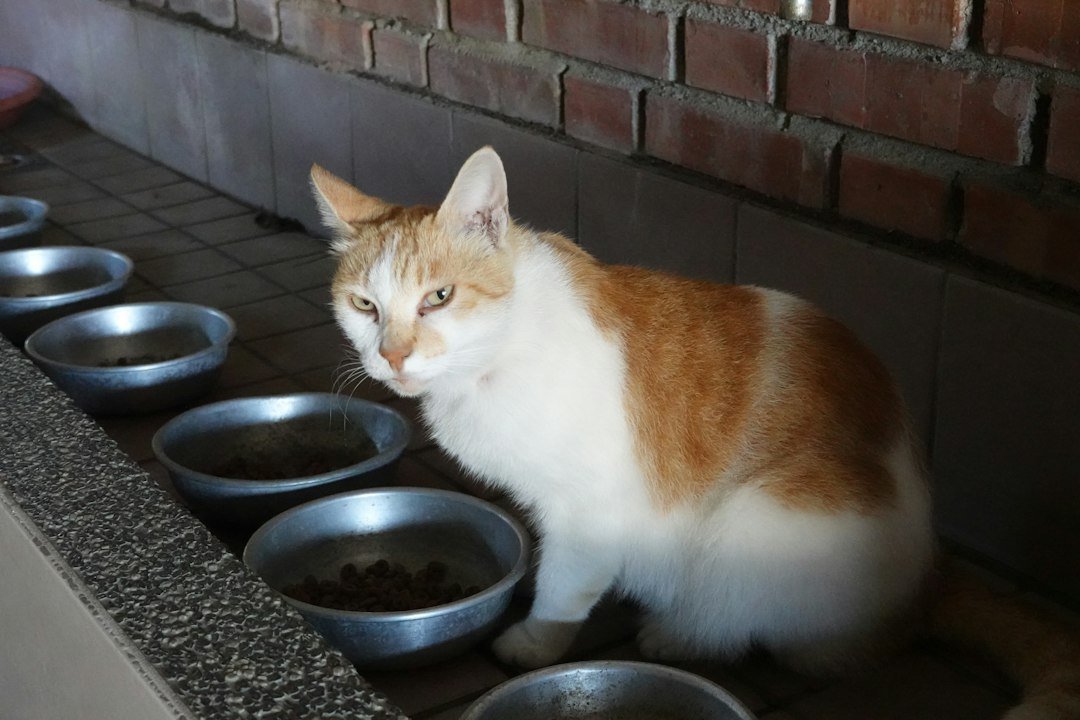
Your cat’s feeding routine directly affects their weight, energy, and lifespan — yet most cat owners wing it based on habit rather than actual age-based needs. This guide walks you through establishing a proper cat feeding schedule by age so your kitten becomes a healthy adult and your senior cat stays nourished without overeating.
Quick Reference: Cat Feeding Schedule by Age
| Life Stage | Age Range | Meals Per Day | Portion Size | Best Feeding Times |
|---|---|---|---|---|
| Kitten (Early) | 6-12 weeks | 4 meals | Check can or bag label | Morning, midday, afternoon, evening |
| Kitten (Junior) | 3-6 months | 3 meals | Check can or bag label | Morning, midday, evening |
| Kitten (Older) | 6-12 months | 2 meals | Check can or bag label | Morning and evening |
| Adult Cat | 1-7 years | 1-2 meals | Check can or bag label | Morning, evening, or once daily |
| Senior Cat | 7+ years | 2 meals | Check can or bag label | Morning and evening for digestive ease |
Understanding the Cat Feeding Schedule by Age
I’ve lived with cats for years and watched owners struggle with the exact same question: how many times should I feed my cat and how much? The answer hinges on one simple fact — your cat’s metabolism, stomach capacity, and nutrient demands shift dramatically across their lifespan.
Kittens burn calories like furnaces. They’re growing muscle, bone, and organs at lightning speed. A young kitten needs four small meals per day to fuel that growth without overwhelming their tiny digestive system. By six months, most kittens transition to three meals. Around one year, they move to two meals daily — though some adult cats thrive on one meal, others prefer two.
Why does this matter? You’d think feeding your kitten twice daily like an adult cat would be fine — it usually isn’t.
Senior cats present their own puzzle. At seven years and beyond, cats often develop slower digestion, dental wear, or kidney sensitivity. Splitting their daily food into two meals helps their aging digestive system process nutrition more efficiently and keeps them from feeling overly full.
Building Your Cat’s Feeding Schedule by Age: A Step-by-Step Approach
Most people don’t realize that establishing a feeding routine involves more than just opening a can. Here’s exactly what to do:
- Determine your kitten or adult cat’s current age and life stage using your vet records or adoption paperwork.
- Check your cat’s food packaging for the recommended daily portion size based on weight and age — these ranges guide your baseline.
- Divide that daily amount into the number of meals recommended for their age — three meals for a young kitten means roughly one-third per meal.
- Set consistent feeding times every single day so your cat’s digestive system adapts to a rhythm.
- Watch your cat’s body condition over two to four weeks — ribs should be felt easily but not visible, and they should have a waist when viewed from above.
- Adjust portions up or down by roughly ten percent if your cat seems constantly hungry or is gaining weight despite the recommended amount.
- Transition gradually to the next life stage’s feeding schedule — kitten to junior to adult — over seven to ten days by mixing old and new meal frequencies.
This is the part that actually matters: consistency beats perfection. Feeding at 7 AM and 5 PM every single day trains your cat’s metabolism better than random feeding times, even if you’re slightly off on portion size.
Adjusting Portions as Your Cat Moves Through Life Stages
Your kitten’s cat feeding schedule by age will change roughly every three to six months during their first year. Most kittens from reputable breeders or shelters come with a feeding guide card — use it as your starting point, not your only reference.
Adult cats aged one to seven years represent the most stable phase. Many settle into one or two meals daily based on owner preference and the cat’s activity level. Indoor cats eating once daily sometimes gain weight; adding a second small meal often helps distribute calories more evenly across the day. Active or outdoor-access adult cats may maintain weight on one meal just fine.
Senior cats benefit from returning to two smaller meals. I’ve lived with senior cats long enough to see how one large meal at night leaves them uncomfortable by morning. Two meals of slightly smaller portions keep their older digestive system comfortable and their energy steadier throughout the day.
Pregnancy and nursing demand special handling. If your cat is pregnant or nursing kittens, her calorie needs jump significantly — consult your vet before making changes to her cat feeding schedule by age, as general guidelines won’t account for this temporary but intense nutritional demand.
What to Check Before Changing Your Cat’s Feeding Routine
- Compare your current feeding frequency to the chart above — are you already aligned or making a major shift?
- Weigh your cat if possible, or ask your vet at the next appointment — portions should match their actual weight, not their apparent size.
- Note whether your cat seems constantly hungry, begging between meals, or picky — these reveal if portions or timing need adjustment.
- Review your food label for calorie content per serving since protein-rich foods often require smaller portions than grain-heavy options.
- Ask your vet whether any health conditions — kidney disease, diabetes, hyperthyroidism, dental disease — require a different cat feeding schedule by age than the standard recommendation.
- Identify your cat’s activity level, whether they’re indoor-only, whether they’re spayed or neutered, and whether they’re at an ideal weight — all affect how much they need daily.
- Mark your calendar to reassess in one month and every three months after that, especially during the kitten and senior phases when needs shift fastest.
Common Mistakes in Cat Feeding Schedules by Life Stage
I’ve seen so many cat owners make one critical error: leaving food out all day for free-feeding. This works for a tiny fraction of cats — most gain weight rapidly and lose the hunger signals that keep them eating the right amount. Timed meals give you control and let you monitor how much your cat actually eats.
Another mistake involves ignoring the transition between kitten, adult, and senior phases. Switching your three-month-old kitten to an adult food with a two-meal schedule overnight causes digestive upset. The gradual shift over seven to ten days prevents stomach issues and helps your kitten’s body adjust to the new meal frequency without stress.
Portion creep sneaks up on nearly every cat owner. A little extra because your cat meowed, a second treat, a taste of your dinner — these add up to five or six extra pounds over a year. Measure portions using the same spoon or scoop every time rather than eyeballing it.
My Picks for This
- Royal Canin Kitten includes detailed life-stage feeding guidelines right on the package and is formulated specifically for developing immune systems and digestive health during the kitten phase.
- Hill’s Science Diet Adult Indoor Cat offers portion guidance by weight and age, plus formulation designed for the lower activity level of indoor adult cats.
- Purina Pro Plan Senior 7+ is specifically created for cats entering their senior years with softer texture for aging teeth and adjusted nutrient profiles for slower metabolism.
- Wellness CORE Grain-Free Kitten provides high protein content so kittens need smaller portion sizes while still meeting their intense caloric demands — helpful for owners managing multiple kittens.
- A digital kitchen scale removes guesswork from portion measurement; weighing food ensures you’re following the exact cat feeding schedule by age your vet recommends without eyeballing errors.
Frequently Asked Questions (FAQ)
Q1. How do I know if my kitten is eating enough on their current cat feeding schedule by age?
Kittens should have visible energy, clear eyes, and a soft coat. Feel their ribs — you should easily feel them but not see them. If your kitten feels bony or lethargic, increase portions slightly. If they’re gaining weight visibly or having loose stools, reduce portions. Always check with your vet if changes don’t improve their condition within a week.
Q2. Should I switch to senior food at age seven, or does my adult cat’s feeding schedule stay the same?
The feeding frequency — how many meals per day — should shift to two meals for most senior cats around age seven or eight. Whether you switch to senior-formula food depends on your cat’s health status and your vet’s recommendation. Some senior cats do fine on regular adult food in smaller portions; others benefit from senior formulas with joint support or easier-to-digest ingredients.
Q3. Can I feed my kitten and adult cat together using the same schedule, or do their eating times need to be completely separate?
Separating them during meals is ideal because your kitten needs three to four meals daily while your adult cat might eat twice or once. Feeding them separately lets you control portions and monitor each cat’s actual intake. If you must feed together, consider a timed feeder that opens only for a microchip-collar or weight sensor, allowing each cat access only to their meal.
Q4. My adult cat has been on a one-meal schedule for years — is it too late to switch to two meals?
You can shift to two meals at any age, though cats often resist routine changes. Transition slowly over ten to fourteen days by feeding half the current meal at the original time and offering the other half a few hours later. Many owners find their adult cat’s energy and weight improve after switching to two meals.
Q5. Does a cat feeding schedule by age change if my cat is overweight or underweight?
Yes — discuss with your vet first. Overweight cats sometimes benefit from the same number of meals but slightly smaller portions, or staying on two meals per day to avoid hunger between feedings. Underweight cats may need more frequent meals or a higher-calorie food. Your vet may recommend a therapeutic diet if weight issues are linked to health conditions.
Q6. How do I transition my kitten to an adult feeding schedule without upsetting their stomach?
Around twelve months, gradually reduce from two meals to one meal (if that’s your plan) or adjust meal times. Over seven to ten days, shift meal times fifteen minutes earlier or later each day, or combine portions into fewer meals while keeping total daily calories the same. Sudden schedule changes cause vomiting or diarrhea; gradual shifts allow digestive adaptation.
This post is for informational and general educational purposes only. It does not constitute professional veterinary advice, medical diagnosis, nutritional guidance, or behavioral therapy. Always consult a licensed veterinarian before making decisions about your cat’s health, diet, medication, or treatment — especially if your cat is showing signs of illness, distress, or behavioral changes. Product recommendations on this site are based on general research and owner experience; individual results may vary depending on your cat’s breed, age, weight, and health condition. Prices, product availability, formulations, and specifications are subject to change without notice — always verify current details directly with the manufacturer or retailer before purchasing. Feeding guidelines, portion sizes, and nutritional information referenced in this post are general estimates only and should not replace personalized advice from your veterinarian or a certified feline nutritionist. If your cat is pregnant, nursing, underweight, overweight, or managing a chronic condition, seek professional guidance before changing their diet or care routine. This site may contain affiliate links — if you purchase through our links, we may earn a small commission at no extra cost to you. We only reference products we believe may be genuinely useful, but we encourage you to do your own research before buying.