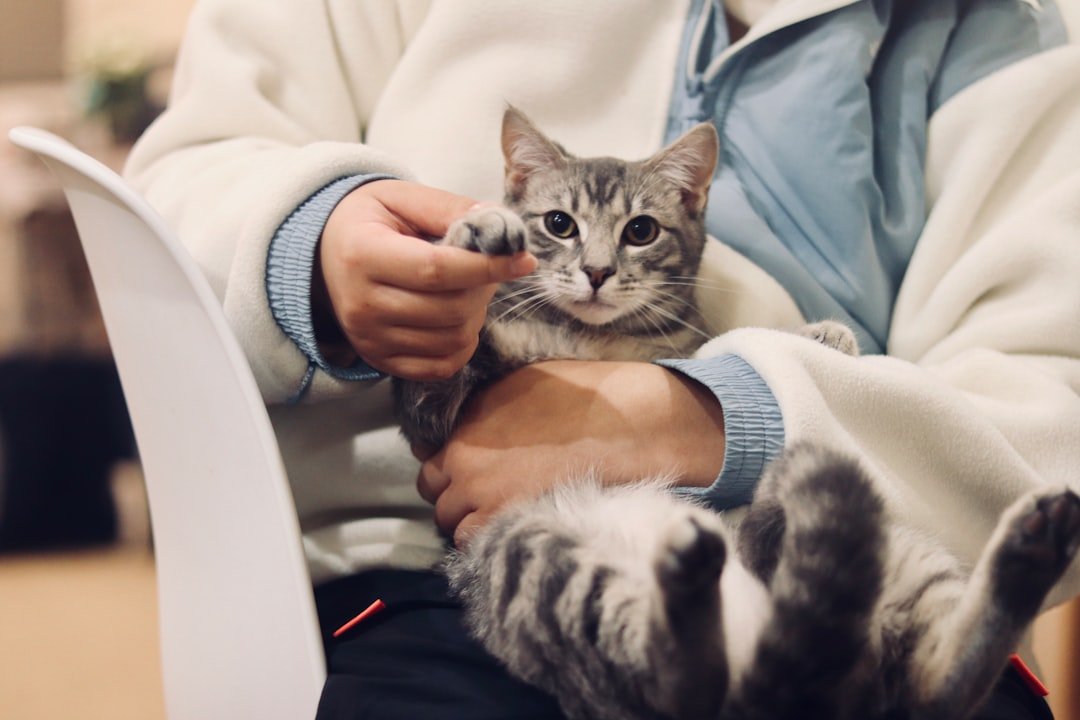
Catching cat respiratory infection signs early can mean the difference between a quick recovery and a weeks-long battle with antibiotics and vet bills. If your cat is sneezing more than usual, has nasal discharge, or sounds hoarse when meowing, those are your first red flags. Respiratory infections in cats spread fast, worsen quickly without treatment, and the symptoms that need veterinary care shouldn’t be ignored—even if your cat seems otherwise fine.
Understanding Cat Respiratory Infection Signs and When They Matter
I’ve lived with cats for years, and I can tell you that most cat owners mistake early cat respiratory infection signs for seasonal allergies or a one-day quirk. They don’t. A cat with a respiratory infection often shows clear signals within 24 to 48 hours, and waiting beyond that point means your vet will likely prescribe antibiotics instead of just supportive care. The key symptoms that need veterinary care include fever, lethargy, loss of appetite, and discharge from the nose or eyes that’s colored or thick rather than clear.
You’d think a sneezing cat is always sick—it usually isn’t. Single sneezes or brief sneezing episodes can be dust, litter particles, or irritation. What signals actual infection is sustained sneezing paired with other cat respiratory infection signs like drooling, difficulty swallowing, or breathing changes. Here’s where most cat owners give up on observation: they assume their cat will just get better on its own. That’s dangerous. Respiratory infections in cats have a real risk of secondary complications—pneumonia, chronic sinusitis, or even chronic upper respiratory disease if left untreated.
| Symptom | Severity Level | Action Needed | Timeline |
|---|---|---|---|
| Occasional clear nasal discharge | Mild | Monitor closely | Watch for 12-24 hours |
| Colored or thick nasal/eye discharge plus sneezing | Moderate | Contact vet within 24 hours | Schedule appointment same day if possible |
| Fever, lethargy, refusing food, labored breathing | Severe | Emergency vet visit required | Go immediately—do not wait |
| Hoarse meowing or loss of voice | Moderate to Severe | Vet appointment within 24 hours | Same-day if combined with other signs |
What Symptoms That Need Veterinary Care Actually Look Like
Recognizing cat respiratory infection signs means knowing the difference between normal cat behavior and infection signals. A healthy cat has clear, wet nose (or dry if sleeping—that’s normal). An infected cat has visible discharge: yellow, green, or cloudy fluid from the nose or eyes. Most people don’t realize that eye discharge alone can indicate a respiratory problem, not just conjunctivitis. Cats with upper respiratory infections often develop conjunctivitis at the same time because the viruses attack the entire mucous membrane system.
Breathing changes are among the most important symptoms that need veterinary care. Your cat should breathe silently except during play or after exertion. Open-mouth breathing, audible wheezing, or fast shallow breathing means your cat’s airways are inflamed or partially blocked. I’ve seen so many cat owners assume their cat is just tired when actually their cat is struggling to breathe. Panting or rapid breathing at rest is never normal—that’s your signal to call the vet immediately, not tomorrow.
Appetite loss paired with cat respiratory infection signs amplifies the urgency. A cat who normally demolishes their food bowl but suddenly picks at wet food or refuses to eat has something medically wrong. Respiratory infections make swallowing painful, so cats stop eating even if they’re hungry. That’s where nutritional support matters—if your cat refuses dry kibble, switching to warm, soft food temporarily can help them maintain calories while fighting infection.
The Checklist Before You Call Your Vet
- Check your cat’s temperature if you have a pet thermometer—normal is 100.5 to 102.5 degrees Fahrenheit, above 102.5 suggests fever
- Observe whether your cat is eating, drinking, and using the litter box normally or showing changes
- Look for nasal or eye discharge—clear versus colored, and how much volume
- Listen to your cat’s breathing for wheezing, labored sounds, or open-mouth breathing
- Note when symptoms started and whether they’re getting worse, staying the same, or improving
- Check your cat’s energy level—are they sleeping more than usual, hiding, or acting withdrawn
- Document any coughing, sneezing frequency, or vomiting—bring this info to your vet appointment
How to Help Your Cat Through a Respiratory Infection
- Understand the condition: Your cat likely has a viral or bacterial upper respiratory infection that inflames the nose, sinuses, throat, and sometimes the lungs. Most are viral and self-limiting but still require vet monitoring.
- Know your audience: If your cat is a kitten under 6 months, elderly over 10 years, or already has health conditions, they’re at higher risk for complications and need faster intervention.
- Use the right method: The most effective approach combines veterinary diagnosis, supportive care at home, and environmental management. Your vet will determine if antibiotics are needed; support happens through humidity, nutrition, and monitoring.
- Execute these steps: First, call your vet and describe cat respiratory infection signs you’ve observed—provide the timeline so they can prioritize. Second, increase humidity in your cat’s resting area using a humidifier or by running a shower with the door open and placing your cat’s bed nearby. Third, offer soft, warm food that doesn’t require much swallowing effort. Fourth, provide fresh water in multiple bowls around the house since dehydration worsens symptoms. Fifth, isolate your cat from other cats if you have multiple pets since respiratory infections spread through respiratory droplets.
- Watch for warnings: If your cat stops eating entirely for more than 12 hours, develops difficulty breathing, or shows lethargy that doesn’t improve after 24 hours of supportive care, return to the vet immediately. Respiratory infections can progress to pneumonia quickly, especially in young or elderly cats.
My Picks for This
- Levoit Core 300S Humidifier: Maintains moisture in the air around your cat’s breathing space, which loosens congestion and reduces irritation during respiratory infections.
- Royal Canin Digestive Care Wet Food: Easy-to-swallow, highly palatable formula that supports appetite during recovery when your cat’s throat is sore and regular food feels uncomfortable.
- Catit Flower Fountain: Encourages your cat to drink more water during infection, which prevents dehydration and helps flush toxins—critically important during recovery.
- Feliway Classic Diffuser: Reduces stress and anxiety while your cat recovers, which actually supports immune function better than high-stress environments do.
- Hill’s Science Diet Respiratory Care: Formulated to support cats with respiratory conditions if your cat develops chronic issues after infection—check with your vet first about appropriateness.
Frequently Asked Questions (FAQ)
Q1. How long does it take for a cat respiratory infection to go away with treatment?
Most viral respiratory infections resolve within 7 to 10 days with supportive care, though some symptoms like sneezing or mild discharge can persist for up to 2 weeks. Bacterial infections may require antibiotics for the full course (usually 10-14 days), and improvement should be noticeable within 3 to 5 days of starting medication. If cat respiratory infection signs are still present or worsening after 7 days of treatment, contact your vet—your cat may have a secondary infection or complication.
Q2. Can I treat my cat’s respiratory infection at home without going to the vet?
No. A veterinarian needs to examine your cat, possibly run tests, and determine whether antibiotics are necessary. Home care alone will not eliminate bacterial infections, and viral infections can lead to dangerous complications if not monitored. You can support treatment at home once your vet has made a diagnosis, but the diagnosis itself requires professional evaluation.
Q3. Are kittens and elderly cats at higher risk for severe respiratory infections?
Yes, significantly. Kittens under 12 weeks and cats over 10 years have weaker immune systems and are more likely to develop pneumonia or chronic complications. Kittens can deteriorate very quickly—sometimes within 24 hours—so any cat respiratory infection signs in a kitten warrant an immediate vet visit, not a wait-and-see approach.
Q4. What should I feed my cat if they refuse to eat during a respiratory infection?
Offer soft, highly palatable foods like wet food warmed slightly to room temperature, bone broth diluted in water, or kitten formula mixed with water to increase calories. Avoid dry kibble during active infection since swallowing is painful. If your cat refuses all food for more than 12 hours, contact your vet—they may recommend hand-feeding, appetite stimulants, or in severe cases, assisted feeding methods.
Q5. How do I know if my cat has developed pneumonia from their respiratory infection?
Watch for labored or rapid breathing even at rest, lethargy that doesn’t improve, refusal to eat despite appetite stimulants, and a worsening cough. Some cats develop a wet cough sound or seem to be struggling to get enough air. Symptoms that need veterinary care at this stage include any breathing difficulty—that’s an emergency signal. Pneumonia requires immediate veterinary intervention.
Q6. Can I give my cat over-the-counter cold medicine or decongestants?
No. Most human cold medications are toxic to cats or will cause serious side effects. Never give your cat any medication without explicit veterinary approval, even if you think it will help. Your vet will prescribe appropriate medications if needed, or recommend supportive care that’s actually safe.
This post is for informational and general educational purposes only. It does not constitute professional veterinary advice, medical diagnosis, nutritional guidance, or behavioral therapy. Always consult a licensed veterinarian before making decisions about your cat’s health, diet, medication, or treatment—especially if your cat is showing signs of illness, distress, or behavioral changes. Product recommendations on this site are based on general research and owner experience; individual results may vary depending on your cat’s breed, age, weight, and health condition. Prices, product availability, formulations, and specifications are subject to change without notice—always verify current details directly with the manufacturer or retailer before purchasing. Feeding guidelines, portion sizes, and nutritional information referenced in this post are general estimates only and should not replace personalized advice from your veterinarian or a certified feline nutritionist. If your cat is pregnant, nursing, underweight, overweight, or managing a chronic condition, seek professional guidance before changing their diet or care routine. This site may contain affiliate links—if you purchase through our links, we may earn a small commission at no extra cost to you. We only reference products we believe may be genuinely useful, but we encourage you to do your own research before buying.