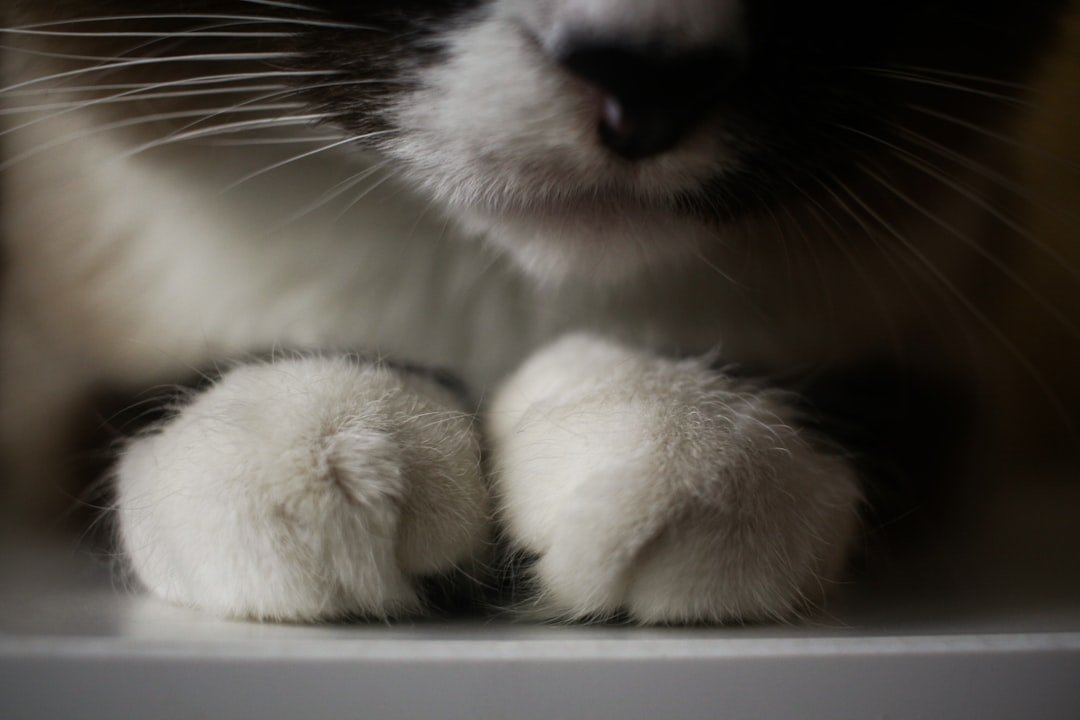
You can learn how to trim cat nails without scratching yourself by working when your cat is relaxed, handling one paw at a time, and stopping before they feel trapped. For how to trim cat nails without scratching yourself, the goal is not to hold your cat still through a full manicure. It is to make each small step calm and predictable.
Most cats do best with short sessions. One nail can be enough. Start with the front claws, which usually grow faster and are more likely to snag on fabric. Use cat nail clippers or small human nail clippers that are clean and sharp, because dull clippers can crush the nail and make the experience unpleasant.
How to trim cat nails without scratching yourself safely
Choose a quiet time when your cat is already sleepy or settled beside you. Avoid trying right after play, meals, visitors, or anything else that has them alert. Put a towel, treats, clippers, and a small amount of styptic powder within reach before you bring your cat over. Styptic powder can help slow minor bleeding if you accidentally nick the quick. If you do not have it, use clean gauze with gentle pressure and contact a veterinarian if bleeding does not stop promptly.
Sit on the floor or a stable chair so your cat cannot fall. Many people find it easiest to place the cat sideways against their body, facing away from them. Your forearm can rest lightly along the cat’s side while your free hand supports a paw. This is gentle containment, not a tight hold. If your cat twists hard, growls, pants, or tries repeatedly to escape, release them. A frightened cat is more likely to scratch, and forcing the session can make the next one harder.
Get your cat used to paw handling first
Before clipping, spend several brief sessions touching paws without using clippers: stroke a leg, touch a paw, press one toe softly, then give a treat or calm praise, while practicing the simple motion that exposes the claw by holding the paw lightly and pressing the top of the toe while supporting the pad underneath. The claw should extend. Release the toe after a second or two.
Once that feels routine, let your cat see and hear the clippers. You can open and close them away from the paw, then offer a treat. Some cats accept clipping quickly; others need days or weeks of this preparation. There is no prize for speed. A cat who stays relaxed is safer for both of you.
Make the cut small and clear
Look for the pink area inside a pale or clear claw. This is the quick, which contains blood vessels and nerves. Cut only the sharp hooked tip, leaving a visible gap before the pink area. Hold the clipper so it cuts across the narrow tip rather than squeezing down the length of the nail. One clean cut is usually enough.
Dark claws need more caution because the quick is harder to see. Trim a tiny amount at a time and inspect the cut edge. A pale, solid center generally means you are still in the safer outer portion. If you see a darker central spot or the nail begins to look pinkish, stop cutting that claw. A veterinarian or experienced groomer can show you how much to remove on your particular cat.
- Clip one or two claws, then pause.
- Keep your fingers behind the claw tip and away from the mouth.
- Use treats your cat gets only for nail sessions if food rewards work for them.
- Skip a nail that is hard to reach instead of wrestling for it.
- Stop early, while your cat is still calm.
Use restraint that does not invite a fight
A towel can help some cats feel secure, but it should be loose enough for normal breathing and comfortable movement. Wrap the body gently with one paw available, never cover the face, and do not leave a wrapped cat unattended. If your cat becomes more upset in a towel, stop using it. Some cats prefer no wrap at all and simply tolerate a paw held briefly while they sit beside their person.
If another adult helps, one person can offer treats and calmly support the cat while the other clips. Avoid having one person pin the cat down. That raises stress and puts hands close to teeth and claws. For cats that become defensive during handling, regular professional trims may be the safer choice. Your veterinary clinic can also advise when a nail problem, pain, or sudden change in tolerance needs an examination.
Know when nails need attention
Indoor cats often need a trim every few weeks, though growth rate and scratching habits vary. Check the nails rather than relying on a strict calendar. You may hear clicking on hard floors, notice snagging on blankets, or see long curved tips. Rear nails often wear down more naturally, but they still need checking.
Pay special attention to the dewclaws, the small claws on the inner side of the front legs. They may not touch the floor enough to wear down. A dewclaw that curves toward the paw should be checked promptly by a veterinarian or groomer rather than pulled or cut aggressively at home.
FAQ
What if my cat scratches or bites during nail trimming?
Stop the session and give your cat space. Do not punish them, since that can make paw handling more stressful next time. Return to short paw-touch practice on another day. If bites, intense fear, or strong resistance keep happening, ask a veterinarian or qualified groomer for practical help.
How many nails should I trim at once?
Trim only as many as your cat accepts comfortably. Some cats allow all front claws in one session. Others do better with one paw, or even one claw, followed by a break. Frequent short sessions are often easier than one long session.
What happens if I cut the quick?
Your cat may pull away and the nail may bleed. Stay calm, apply styptic powder according to its label or hold clean gauze against the tip with gentle pressure. Keep your cat quiet and monitor the nail. Contact a veterinarian if bleeding continues, the toe looks injured, or your cat remains very distressed.
Can I use human nail clippers on my cat?
Small, sharp human nail clippers can work for many cats, especially for taking off just the pointed tip. Cat-specific clippers may give you a clearer angle on thicker claws. Whichever tool you use, replace it if it becomes dull or damaged.
Related posts
This post is for general informational purposes only and is not veterinary advice. Every cat is different — if you have concerns about your cat’s health or behavior, please consult a qualified veterinarian.