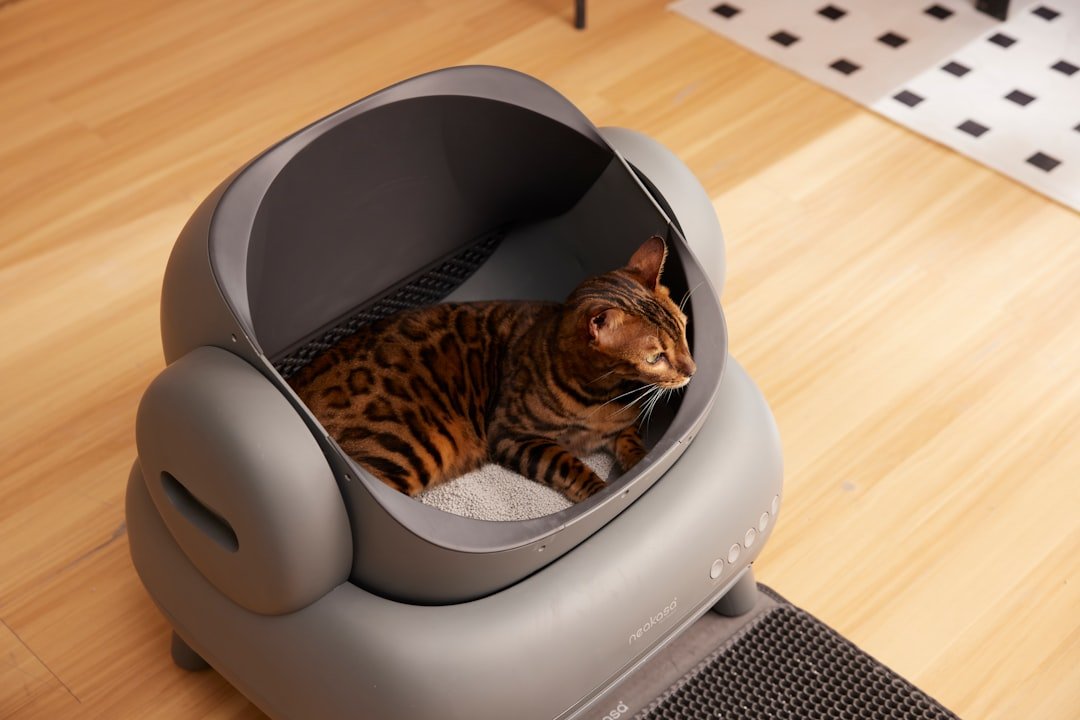
A common misconception is that an enclosed cat litter box vs open box comparison comes down to which one traps the most smell. It does not. A covered box may keep odors from spreading through the room for a short while, but it also traps those odors where your cat has to stand, and that can make a dirty box less appealing even when the room smells better to you.
For most homes, I recommend a large open litter box with high sides and a good daily scooping routine. It is the simpler choice. Open boxes give cats a clearer view, more room to turn and dig, and easier access for you when it is time to remove waste before it starts smelling.
An enclosed box wins when your cat already uses it happily, litter gets kicked everywhere, or the box has to sit in a visually busy shared space. Those conditions matter. The cover itself is not reliable odor control, so the cleaning routine and box size still decide whether it works well.
Enclosed cat litter box vs open box for odor control
Cat waste odor comes mainly from urine and stool left in the litter, not from the shape of the box. That is the key point. A lid can reduce how quickly odor reaches the rest of the room, particularly right after your cat uses the box, yet it cannot remove the source and may concentrate the smell inside the box.
That concentration affects some cats more than owners expect. Cats have a much stronger sense of smell than we do, and a covered box can hold ammonia-like urine smells, damp litter odor, and dust in a small enclosed area until the lid is lifted or the cat goes back inside.
An open box makes the odor source obvious. This is useful. If you can see waste immediately, you are more likely to scoop it before it dries out, gets buried, or has time to make the whole room smell stale.
There is a practical difference between containing odor and controlling it. Containment is temporary. Odor control means removing waste, keeping the litter dry enough to clump properly, washing the box when needed, and giving the box enough room that cats do not have to step around old soiled patches.
For a typical one- or two-cat household, an open box tends to make that work easier. Easy routines last. A covered box with a flap, a narrow doorway, and a deep interior can make quick checks less convenient, which is a small design issue that can turn into delayed scooping.
Why an open box is usually the best choice
Open boxes are easier for cats to enter, inspect, and leave. That matters. Many cats prefer a clear path out of a litter area because they can see their surroundings instead of backing out through a small opening.
Size is often the biggest advantage. A suitable box is generally about one and a half times your cat’s body length from nose to the base of the tail, although a larger box is often better if you have the floor space. Standard covered boxes are frequently smaller inside than they look outside, especially once the litter level rises.
More usable floor area lets a cat place all four feet comfortably, turn around, dig, and avoid a recently used spot. Small details count. A cramped cat may perch on the edge, fling litter while trying to cover waste, or decide that the rug beside the box feels easier.
Open boxes also make cleaning faster. You can see clumps at the corners and stool tucked behind a mound of litter without removing a lid, reaching through a doorway, or taking apart multiple pieces. When a box is easy to inspect twice a day, it is much more likely to stay within the range most cats tolerate.
Ventilation is another benefit. Airflow does not make waste disappear, but it reduces the humid, concentrated smell that can build up under a cover. The room may briefly smell stronger after use, but prompt scooping deals with that far better than sealing the waste into a small chamber.
Choose high sides if litter scatter is your worry. This is often enough. A large storage-style litter pan made for pets, or an open commercial box with sides around 8 to 12 inches high, can contain enthusiastic digging while leaving the top open and accessible.
Use a lower entry side for kittens, senior cats, or cats with limited mobility. Access comes first. A cat that has to climb over a high wall when sore, stiff, or uncertain may avoid the box, and no odor benefit is worth creating a toilet habit problem.
When an enclosed box makes more sense
An enclosed litter box can be a reasonable choice when it solves a specific problem that an open high-sided box has not solved. It is not automatically better. Its best use is usually managing litter scatter, reducing the visual impact of the box, or giving a cat that already likes a sheltered toilet area some separation from household traffic.
Some cats clearly prefer a covered setup. They may walk in confidently, use it without hesitation, and return to it consistently after the cover is added. Watch the cat. Preference matters more than the marketing language printed on the package.
Covered boxes can also help in homes with dogs that investigate litter boxes or young children who need an extra physical barrier. They are not foolproof. A determined dog may still tip, open, or reach into a covered box, so placement and supervision remain more dependable safeguards.
The other option wins when the cover is spacious, the entrance is wide, and the box is cleaned very consistently. Go big. Look for enough interior length for your cat to turn without rubbing the sides, rather than choosing a compact unit because it hides neatly in a corner.
Skip a covered box if your cat hesitates at the entrance, leaves waste near the doorway, starts eliminating outside the box, or bolts out immediately after use. Those signs do not prove a diagnosis. They do tell you that the setup deserves a simpler, more open alternative.
Do not assume a flap door helps. Many cats dislike pushing through a swinging panel that blocks their view and holds smell inside. If you use a covered box, removing the flap is often a sensible first adjustment, provided it does not create another household access problem.
The odor routine that matters most
The best litter box for odor control is the one you can maintain without putting it off. Keep it simple. A basic open box that gets scooped twice daily usually manages odor better than a decorative enclosed unit that is hard to open, awkward to wash, or easy to ignore.
- Scoop at least once daily, ideally twice. Remove urine clumps and stool before they break apart or dry into the litter.
- Top up rather than overfill. Many cats do well with roughly 2 to 3 inches of clumping litter, but follow the litter maker’s guidance and adjust if your cat digs to the bottom.
- Wash the box during a full litter change. Use mild unscented soap and warm water, then dry it fully before adding clean litter.
- Replace worn boxes. Deep scratches can hold residue and odor, especially in softer plastic.
Fragrance is not a substitute for cleaning. Less is often better. Strongly scented litter, deodorizing crystals, and perfumed sprays can make the area unpleasant for cats while merely layering perfume over a box that still needs scooping.
Place the box in a quiet, ventilated area that your cat can reach easily. Avoid dead-end closets if possible. A small closed room can trap smell around any box, while a location beside a loud appliance or near a furnace may make a cat feel unsafe enough to avoid it.
For two cats, the usual starting point is three boxes in separate accessible spots. Spread them out. Two boxes side by side may look like two choices to us, but many cats experience them as one shared toilet area with one shared odor problem.
If odor returns quickly despite regular cleaning, check the box size, litter depth, room ventilation, and whether one cat is using the box much more than expected. Sudden changes in urine amount, stool quality, box habits, or apparent discomfort are reasons to contact a veterinarian rather than trying to solve everything with a new litter box.
How to switch without upsetting your cat
Do not make a sudden swap if your cat is settled with the current box. Slow changes are easier. Put the new box beside the old one, use the same familiar litter at first, and let your cat choose for several days.
If you are testing a cover, start with the box uncovered. Give it time. Once your cat uses the new base reliably, add the lid without a flap and observe whether normal box use continues.
If you are moving to an open box, keep the litter type and approximate depth the same while changing only the box shape. Change one variable. That makes it easier to see whether your cat actually dislikes the new setup or is reacting to a new litter texture or scent.
Clean both boxes while you are testing. Do not make the old box dirty to force a decision. Cats should not have to choose between an unfamiliar box and an unclean one.
Buying details that prevent common problems
Measure your cat before shopping if you can. It takes a minute. A box may look generously sized in a product photo but have a narrow interior once a cover, entrance tunnel, or raised base takes up space.
For an open box, prioritize floor length and a stable base over decorative styling. A removable high back or side shield can help with upward spraying or forceful digging, but it should not block the cat’s entry or make you miss soiled litter along the edges.
For an enclosed model, check whether the top lifts off easily and whether your scoop can reach every corner. Avoid fussy designs. If you dread taking it apart, the box is less likely to get the frequent cleaning that keeps odor down.
Self-cleaning boxes are a separate category, and their prices, dimensions, safety instructions, and cleaning needs vary by model and region. Read the official manual before buying. Some cats accept automatic movement and some do not, so a conventional open box is still a useful backup even in homes that use an automatic unit.
FAQ
Do enclosed litter boxes smell less?
They may keep odor less noticeable in the room for a short period. That is different from reducing it. Without frequent scooping, a cover concentrates waste odor inside, where your cat has to enter.
Do cats prefer open or enclosed litter boxes?
Many cats accept or prefer open boxes because they are roomy and easy to leave. Individual preference varies. A cat that uses a roomy covered box calmly and consistently may be perfectly content with it.
Can a covered box cause litter box avoidance?
It can contribute if the box is cramped, dirty, hard to enter, or frightening because it traps noise and smell. Watch for hesitation. If your cat stops using the box or has a sudden change in habits, offer an accessible open box and speak with a veterinarian if the change continues.
How often should I scoop a covered litter box?
Scoop at least daily, with twice-daily scooping often better for odor control. More often helps. Covered boxes do not need less cleaning simply because the waste is out of sight.
What is the best compromise for litter scatter and odor?
Try a large open box with high sides, unscented clumping litter, and a mat outside the entry. This setup works for many homes. It limits kicked litter without enclosing the smell or reducing your cat’s view of the room.
For the most common situation, choose the large open box and put your effort into easy daily cleaning. That is the clear recommendation. Choose an enclosed box only when it solves scatter, privacy, or household access issues without making your cat reluctant to use it or making your own cleaning routine harder.
Related posts
This post is for general informational purposes only and is not veterinary advice. Every cat is different — if you have concerns about your cat’s health or behavior, please consult a qualified veterinarian.