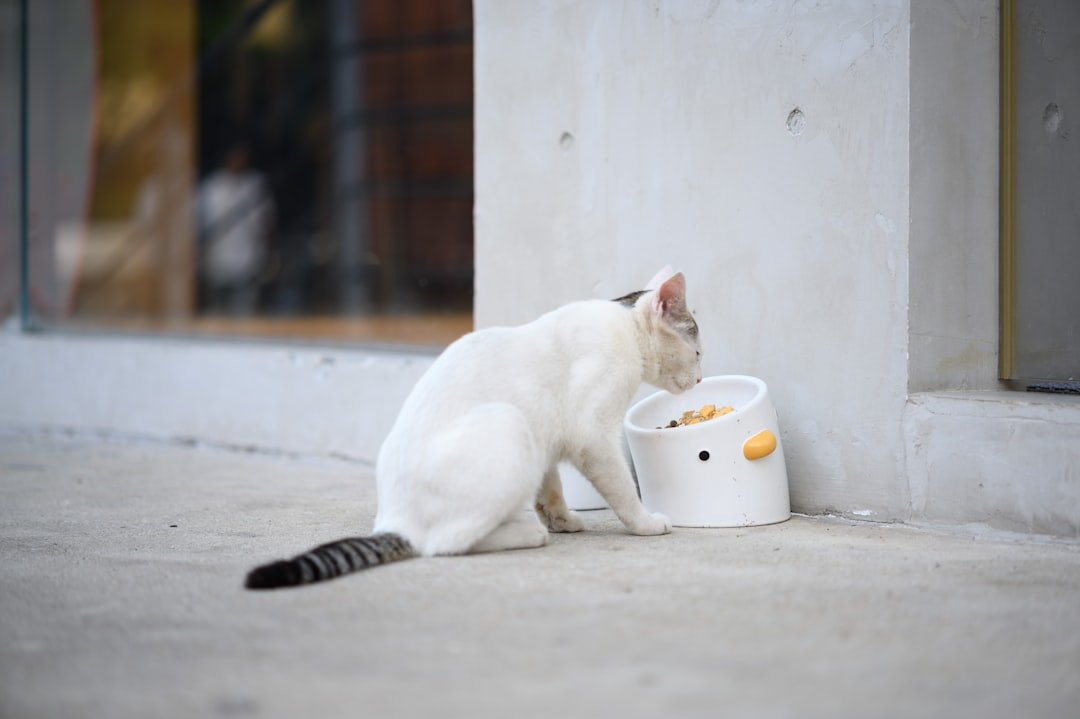
When the bowl is empty by breakfast, how many calories does a cat need per day becomes a very practical question. Most healthy adult indoor cats need roughly 180 to 300 calories daily, but how many calories does a cat need per day depends on their weight, age, activity, neuter status, and whether they need to gain or lose weight. Start with a calculated estimate. Then watch the cat.
Calories are the energy in food, usually shown as kcal on the label. One kcal is the same thing people commonly call one calorie. Food packages may list calories per cup, per pouch, per can, or per kilogram, so the serving directions alone do not always tell you whether the daily amount suits your individual cat. Check the kcal line first.
How many calories does a cat need per day based on weight and age
A useful starting calculation is a cat’s resting energy requirement, often shortened to RER. For cats in the usual pet-weight range, you can estimate it with this simple formula: body weight in kilograms multiplied by 30, then add 70. Keep it simple.
To convert pounds to kilograms, divide the cat’s weight in pounds by 2.2. A 10-pound cat weighs about 4.5 kilograms, so the calculation is 4.5 × 30 + 70, which gives an RER of about 205 calories; the more detailed formula gives a slightly higher result of roughly 218 calories. These figures estimate basic resting needs, not the final amount of food for every cat.
Most neutered adult cats need a daily starting target around 1.0 to 1.2 times their RER, depending on activity level and body condition. A very relaxed indoor cat may sit near the lower end, while a cat that spends a lot of time playing, climbing, or going outdoors may need more. Individual appetite varies.
| Adult cat weight | Estimated RER | Typical neutered adult starting target |
|---|---|---|
| 8 lb (3.6 kg) | About 180 calories | About 180 to 220 calories daily |
| 10 lb (4.5 kg) | About 220 calories | About 220 to 260 calories daily |
| 12 lb (5.4 kg) | About 250 calories | About 250 to 300 calories daily |
| 14 lb (6.4 kg) | About 290 calories | About 290 to 345 calories daily |
The table is a starting point for a healthy, adult, neutered cat at a suitable body weight. It is not a target weight chart. A naturally small-framed 10-pound cat and a large-framed 10-pound cat may need different plans because their ideal body shapes are not the same.
Age changes the calorie picture
Kittens need more energy for their size because they are building bone, muscle, and other tissue. Very young kittens may need around 2.5 times RER, while older kittens who are still growing often need around 2 times RER. Growth is fast.
That does not mean every kitten should receive a large, open-ended bowl of food. Kittens often do best with several measured meals each day, using food labeled for growth or all life stages and following the package guidance as a starting point. Their weight and body condition need regular checks.
Once a cat reaches physical maturity, calorie needs commonly drop. This is one reason a cat who ate freely as a kitten can gain weight after being spayed or neutered, even if the food itself has not changed. The food may be fine. The portion may need adjustment.
Senior cats are less predictable. Some older cats become less active and need fewer calories, while others lose body condition or develop health changes that alter their appetite and energy needs. Age alone is not enough to set a calorie limit. Unplanned weight change deserves a veterinary conversation.
Pregnant and nursing cats also have much higher energy demands than a typical adult pet cat. Their needs can change quickly as pregnancy progresses and kittens begin nursing. A veterinarian can help set a feeding plan for that stage.
Use the food label to turn calories into portions
Once you have a daily calorie target, use the kcal information on every food and treat. Dry food is often listed in kcal per cup, while wet food is commonly listed in kcal per can, tray, or pouch. Measure dry food with an actual measuring cup or kitchen scale. Guessing is easy.
For example, imagine a 10-pound adult cat has a starting target of 240 calories per day. If one wet-food can contains 80 calories and dry food contains 380 calories per cup, two cans provide 160 calories, leaving 80 calories for dry food. Divide 80 by 380. That works out to about 0.21 cup, or a little over 3 tablespoons, of dry food.
Mixed feeding can make meals more enjoyable, but both foods count toward the same daily allowance. Treats count too. A simple guideline is to keep treats at no more than about 10 percent of the day’s calories, which is 24 calories for a cat eating 240 calories daily.
Look closely at packet sizes. A small-looking pouch may contain one meal’s calories, while a larger can may contain two or more meals for a small cat. Manufacturers change recipes and calorie density sometimes, so verify the current label rather than relying on an old feeding routine.
Adjust the starting amount with your cat’s body condition
The calculator gives you a place to begin, not a permanent answer. Weigh your cat regularly under similar conditions, ideally every two to four weeks, and look at body shape as well as the number on the scale. Slow changes are easier to manage.
In a cat at a healthy body condition, you can usually feel the ribs under a light layer of fat, see a waist behind the ribs when looking from above, and notice a gentle tummy tuck from the side. Long-haired cats can hide shape well. Your hands are useful here.
If a healthy adult cat is gradually gaining weight on the calculated amount, reduce the daily calories by a small amount, often about 5 to 10 percent, and reassess after a couple of weeks. If the cat is losing unwanted weight, increase by a similarly small amount and monitor. Make one change at a time.
Do not put an overweight cat on a drastic diet or stop food suddenly. Cats that eat very little can become seriously unwell, especially if they have excess body fat. Ask a veterinarian for a weight-loss plan, and seek prompt advice if a cat refuses food for a day or seems unwell.
Common calorie mistakes at home
Free-feeding dry food is the most common reason calorie totals become hard to see. Topping up a bowl makes it nearly impossible to know what the cat ate, particularly in a multi-cat home. Separate feeding spots help.
Another easy mistake is counting meals but forgetting extras. Dental treats, lickable treats, table scraps, food used for medication, and a second person offering snacks can add a meaningful number of calories. Write down everything for three days. Patterns show up fast.
Multi-cat homes need extra care because one cat may eat a sibling’s leftovers. Feed measured portions in separate rooms if possible, then pick bowls up after a reasonable meal period. It is less convenient. It is more accurate.
Frequently asked questions
How many calories does a 10-pound cat need per day?
A healthy, neutered 10-pound adult cat often starts around 220 to 260 calories per day. Some calm indoor cats need less, and active cats may need more. Body condition decides the next adjustment.
Should indoor cats eat less than outdoor cats?
Often, yes. Outdoor access and frequent active play can raise energy use, while many indoor cats have quieter routines and need smaller portions. Activity matters more than the label “indoor.”
Can I use the feeding guide on the cat food bag?
Yes, use it as a starting point, then compare it with the food’s calorie information and your cat’s weight trend. Bag guides are designed for many cats, so they cannot account for your cat’s exact activity or body shape. Measure every portion.
Do older cats always need fewer calories?
No. Some do, but others need the same amount or may lose weight despite eating normally. Any persistent appetite, weight, or behavior change is worth discussing with a veterinarian. Do not assume it is just age.
Related posts
This post is for general informational purposes only and is not veterinary advice. Every cat is different — if you have concerns about your cat’s health or behavior, please consult a qualified veterinarian.