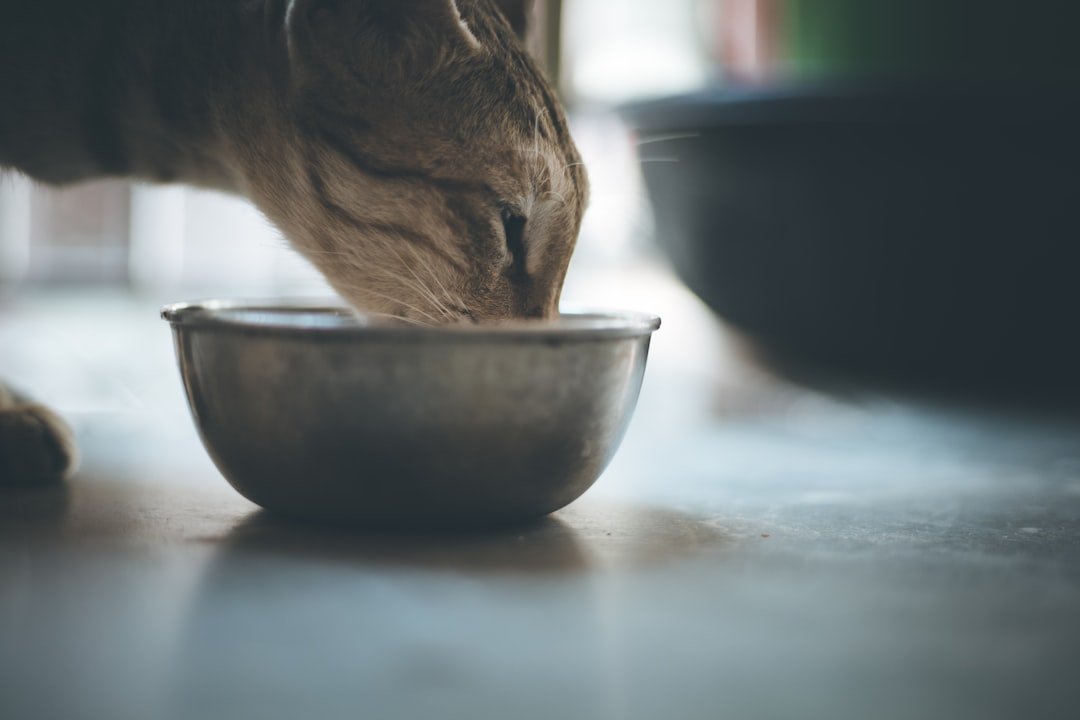
A common misconception is that cats can drink milk safely because cats in films and storybooks enjoy a saucer of it. Usually, they cannot. So, can cats drink milk safely in real life? Most adult cats should not drink ordinary cow’s milk, since many lose the ability to digest much lactose after kittenhood. The fact that a cat likes milk does not mean its stomach will like it later.
Why milk upsets many adult cats
Lactose is a natural sugar in milk. Young kittens produce lactase, an enzyme in the small intestine that breaks lactose down so it can be absorbed. This makes sense. They depend on their mother’s milk during their earliest weeks, and it is formulated for kittens rather than for people or calves.
As kittens are weaned onto solid food, lactase production often drops. If an adult cat drinks cow’s milk, lactose may pass into the large intestine without being properly digested, where it draws in water and is fermented by gut bacteria. That process can leave a cat with loose stool, gas, stomach discomfort, or an urgent trip to the litter box. Some cats seem unaffected. You cannot reliably know in advance which cat will be sensitive.
This is what lactose intolerance explained means for cat owners: it is a digestion issue, not a test of whether your cat likes dairy. A cat may lap up a bowl enthusiastically and still have diarrhea several hours later. Enjoyment is not evidence. Cats are often drawn to milk’s fat and smell, which can make the food appealing even when it is a poor fit for their digestive system.
Signs milk may not agree with your cat
Digestive signs often show up after a cat has had dairy, though timing and severity vary. Watch the litter box. Loose or watery stool, extra gas, belly noises, vomiting, reduced appetite, or visible discomfort after milk are all good reasons to stop offering it. A single small lick may cause no obvious problem, while a bowlful can be much harder on the gut.
Do not assume dairy is the cause of every stomach problem. Changes in stool or vomiting can happen for many reasons, including a sudden food change, parasites, stress, or an unrelated illness. If signs are severe, keep returning, include blood, or your cat seems weak, painful, or unwilling to eat, contact a veterinarian promptly. Cats can become dehydrated quickly when diarrhea or vomiting is significant.
There is no need to test tolerance repeatedly. If your cat had loose stool after milk, simply leave milk off the menu and offer fresh water. That is enough. A veterinarian can advise you if digestive problems continue even after the dairy has stopped.
What cats should drink every day
Fresh, clean water is the right daily drink for cats. It has no lactose, sugar, or extra calories. Keep bowls away from the litter tray, wash them regularly, and refresh the water at least daily. Many cats prefer a wide bowl that does not press on their whiskers.
Some cats drink more readily when water is available in more than one quiet place. A circulating pet fountain can help certain cats because they prefer moving water, but a plain bowl is perfectly fine if your cat uses it. Keep it simple. The goal is reliable access to water, especially for cats who mainly eat dry food.
Wet food can also add moisture to a cat’s routine. It is food, not a drink, but its high water content may help a cat take in more fluid over the day. If you change foods, do it gradually over several days to reduce the chance of digestive upset.
Milk alternatives and treats
Lactose-free cow’s milk for people has less lactose because lactase has been added, but it is still not a necessary cat food. It can contain fat and calories that add up quickly in a small animal. Check the label. Avoid products with sweeteners, flavorings, chocolate, coffee, or other ingredients meant for people.
Cat-specific milk products are usually lactose-reduced and are sold as treats rather than as nutrition. They may be an option for a healthy cat that tolerates them, in a small measured portion and only occasionally. They are not a replacement for water or a complete meal. Prices and formulas vary by region, so check the current package directions and ingredient list.
Goat’s milk is not automatically safe because it still contains lactose. Plant-based milks are not a useful substitute either. Oat, almond, soy, coconut, and rice drinks can have added sugar, oils, thickeners, or flavorings, and they do not provide what a cat needs nutritionally. Skip them. Plain water remains the lower-risk choice.
Cheese, cream, ice cream, and yogurt are also dairy foods, even when they contain less lactose than fluid milk. Cream and ice cream are especially rich, and ice cream may contain sugar or dangerous flavorings such as chocolate. A tiny accidental lick is usually different from making dairy a routine treat, but it is sensible to keep human desserts out of reach.
If your cat has already had milk
If your cat stole a few licks of plain milk, do not panic. Take the bowl away and leave out normal fresh water. Then watch for vomiting, diarrhea, or unusual discomfort over the next day. Most small accidents call for observation, not home remedies.
Do not give human anti-diarrhea medicine, extra supplements, or more dairy in an attempt to settle the stomach. Those choices can create new problems. If your cat drank a large amount, the milk included chocolate or another unsafe ingredient, or your cat develops repeated vomiting, significant diarrhea, lethargy, or trouble breathing, call a veterinarian or an animal poison service right away.
A useful rule is simple. If a food was not made as a complete cat diet or clearly labeled as a cat treat, it does not need a regular place in your cat’s bowl. This avoids many avoidable stomach upsets and helps you notice when a real change in appetite or drinking needs attention.
Can cats drink milk safely at any age?
Very young kittens need milk, but they need their mother’s milk or a commercial kitten milk replacer when maternal nursing is not possible. Cow’s milk is not an appropriate replacement. It has the wrong nutrient balance for growing kittens and can cause digestive trouble.
An orphaned or unweaned kitten needs timely guidance from a veterinarian, shelter, or experienced kitten foster organization. Tiny kittens have specific feeding schedules and warming needs. Do not improvise. Never feed an unweaned kitten cow’s milk from the fridge, condensed milk, or a homemade formula.
Once kittens are weaned, water becomes their normal drink. Some adult cats can tolerate a small amount of lactose-reduced cat milk without obvious trouble, but there is no health requirement to give it. A cat does not miss out by drinking water.
Frequently asked questions
Can cats drink milk safely if it is only a little?
A small amount of plain cow’s milk may not cause visible trouble in every cat, but it can still cause diarrhea or discomfort in cats that digest lactose poorly. Small is safer than a large bowl, yet it is not necessary. Water is the better default.
Can I give my cat lactose-free milk made for people?
It is less likely to cause lactose-related upset than regular milk, but it is still an extra food with calories and may contain ingredients a cat does not need. Read the full label first. If you choose to offer any, use only a small amount and do not make it a daily habit.
Why does my cat beg for milk?
Cats may be attracted to the smell, texture, and fat in milk. Begging does not tell you whether a food is suitable or whether it will agree with their digestion. Offer affection, play, or a small cat-appropriate treat instead if milk has become part of a routine.
Is yogurt safer than milk for cats?
Some plain yogurt has less lactose than milk because of the cultures used to make it, but tolerance still varies and many products have added sugar or flavorings. It is not needed. Do not give sweetened yogurt, fruit yogurt, or any product containing xylitol.
What should I do if milk gave my cat diarrhea?
Stop the dairy and make sure fresh water is available. Monitor your cat’s appetite, energy, and litter box use. If diarrhea is severe, lasts beyond a day, comes with vomiting or blood, or your cat seems unwell, seek veterinary advice rather than trying to treat it at home.
Related posts
This post is for general informational purposes only and is not veterinary advice. Every cat is different — if you have concerns about your cat’s health or behavior, please consult a qualified veterinarian.