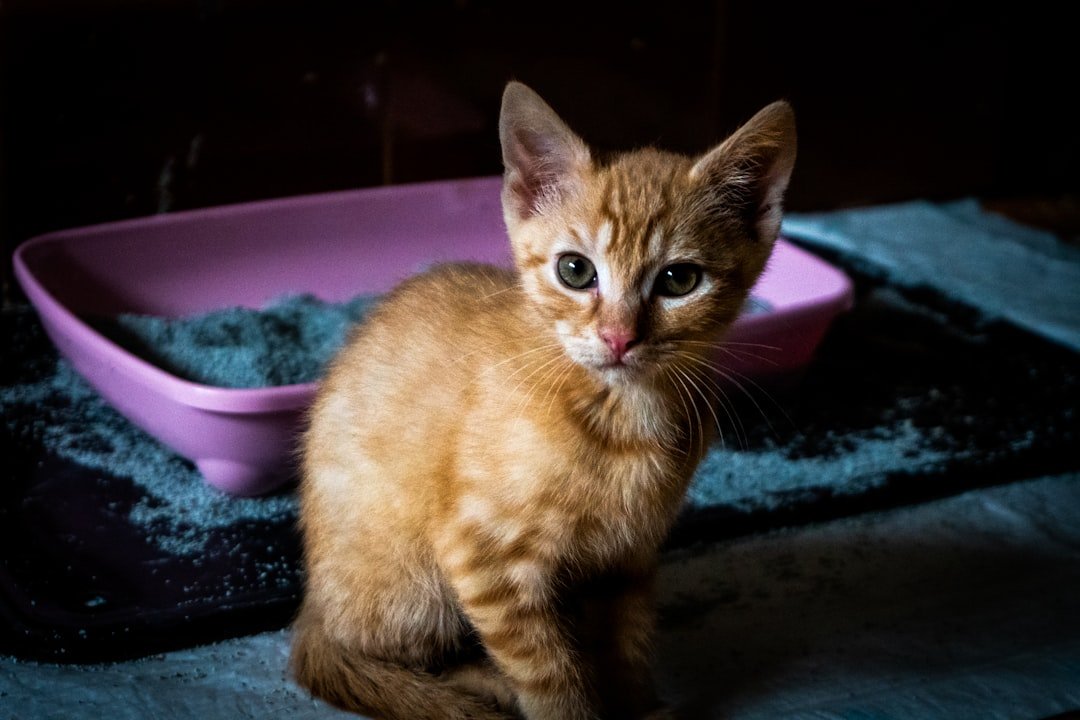
Your kitten has just sniffed the corner beside the sofa: how to litter train a kitten is mostly about putting the right box in the right place before that corner becomes a habit. Start today. For first timers, the simplest plan is a low-sided box, unscented litter, a quiet location, and gentle guidance at the moments kittens naturally need to go.
How to litter train a kitten with a simple setup
Most kittens take to a litter box quickly because the urge to dig and cover waste is natural, but the setup still matters a lot. Keep it simple. A box that is too tall, dirty, hidden behind a scary appliance, or filled with strongly scented litter can make an otherwise willing kitten look elsewhere.
Choose an uncovered tray with low sides at first, especially for a small kitten. Easy access matters. A shallow plastic litter pan is fine, and you do not need an expensive covered box or an automatic model while your kitten is still learning the routine.
Use unscented, fine-textured litter when you begin. Many kittens accept a soft, sand-like texture more readily than large pellets or heavily perfumed litter, and scent additives can be unpleasant to a cat’s sensitive nose. Put about 2 to 3 inches of litter in the tray, enough for digging without making the footing unstable.
Set the box in a quiet, low-traffic spot where your kitten can reach it without help. Think nearby. Avoid placing it beside food and water, next to a washing machine, or in a room with a door that may be shut for hours, since cats generally prefer a little privacy and do not want to toilet close to where they eat.
If your home has more than one floor, put a box on each level while your kitten is young. Small legs tire. A useful long-term guideline for multiple cats is one box per cat plus one extra, but a single kitten in a small home may do well with one clean, accessible box and sometimes benefits from a second choice during training.
Step by step for first timers
- Prepare one small room at first. A bathroom, bedroom, or other calm, kitten-safe space makes it easier for a new kitten to find the tray. Keep the box several feet away from bowls and bedding. Start small.
- Show the box on arrival. Place your kitten in the litter box gently, let them sniff, then allow them to leave when they want. Do not hold their paws and make digging motions. That can feel frightening.
- Offer a quiet box visit after key moments. Carry or guide your kitten to the box after waking, after eating, and after an energetic play session. These are common times for a kitten to need the toilet. Wait calmly for a minute or two.
- Give space if they use it. Do not crowd, cheer loudly, or reach toward your kitten while they are in the box. Quiet is better. Once they finish, a soft voice, a brief pet if they enjoy touch, or a tiny food treat can create a pleasant association.
- Expand their access gradually. After several days of reliable box use in the starter room, let your kitten explore one additional area at a time. Keep the original box available, and add another box if the new space is far away.
Watch for the early signs. A kitten may sniff along walls, circle, paw at the floor, suddenly leave play, or squat. If you see this, calmly place them in or beside the box if you can do so without chasing them around the room. The goal is to make the right location easy, not to turn toilet trips into a stressful event.
Some kittens arrive already familiar with litter, particularly if they lived with their mother or in a foster home. Even then, give them time. A new home has unfamiliar smells, layouts, noises, and people, so temporary mistakes during the first few days do not necessarily mean the kitten has forgotten anything.
Keep the litter box appealing
Scoop solid waste and clumps at least once daily, and twice daily is even better when possible. Clean box, clear choice. Cats can reject a tray that feels dirty, especially when there is a rug, bath mat, or laundry pile nearby that seems cleaner and softer.
Replace litter and wash the tray regularly according to the litter type and how quickly it becomes soiled. Use mild, unscented soap and warm water, then dry the box before refilling it. Strong chemical smells may discourage your kitten, so avoid heavily fragranced cleaners in and around the tray.
Do not change the box, litter type, and location all at once once your kitten is using it well. Change slowly. If you need to try a different litter, keep one familiar box available and introduce the new option in a second tray for several days, which lets your kitten show a preference without losing their reliable toilet spot.
Covered boxes can contain scattered litter, but they are not automatically better for kittens. Some cats like the privacy, while others dislike the enclosed smell or the feeling of being unable to see their surroundings. An open tray lets you notice stool, urine clumps, and cleaning needs more easily during the early weeks.
What to do when there is an accident
Accidents are common during adjustment. Stay calm. Never shout, rub your kitten’s nose in the mess, spray water, or punish them after the fact, because they will not connect the punishment with an earlier toilet mistake and may become afraid of you or the litter area.
If you catch your kitten in the act, interrupt as quietly as possible and move them to the box. No drama. If they finish there, let the moment pass calmly and clean the accident area later without making it a big event.
Clean soiled spots thoroughly with an enzymatic pet cleaner made for urine or feces, following the label directions. These cleaners are designed to break down odor residue that can draw a cat back to the same place. Avoid ammonia-based cleaners, since their smell can resemble urine to cats.
Temporarily block access to repeat accident spots, or put a litter box nearby if the location is practical and safe. Then move that box a little at a time toward your preferred location after your kitten uses it consistently. Slow changes work. Moving it across the home in one day can leave a young kitten searching.
Do not mistake a mistake for stubbornness. A kitten may miss the tray because the box is difficult to reach, another pet startled them, the litter feels unpleasant, or they had too much space too soon. Review the setup first, then make one clear change and give your kitten a few days to adjust.
Common litter training problems
If your kitten digs in the litter but toilets over the edge, switch to a larger tray with slightly higher sides that still has an easy entrance. Size matters. The box should give them room to turn, squat, and dig without their rear end hanging outside the pan.
If your kitten sleeps in the box, they may simply find the small enclosed space comforting in a new home. Add a cozy bed or open carrier nearby, but keep the litter tray clean and available. Sleeping there for a short adjustment period is different from using it poorly.
If your kitten repeatedly uses soft items such as bedding, clothing, or a bath mat, pick those items up for now and limit roaming space. Texture can be the issue. Try an unscented, finer litter and make sure the box is close enough that the kitten does not have to cross a large, unfamiliar room to reach it.
Households with dogs, children, or other cats may need to protect the litter area from interruptions. Give the kitten an escape route. A quiet corner behind a baby gate with a kitten-sized opening, or a room where the kitten can enter but a dog cannot, can help them use the box without feeling watched or trapped.
When to get veterinary advice
Contact a veterinarian promptly if a kitten suddenly stops using the box after doing well, strains to urinate or defecate, cries in the box, has diarrhea, seems unable to pass urine, has blood visible in urine or stool, or appears unwell. Do not wait. Litter box changes can sometimes be linked with pain, digestive upset, urinary trouble, or other health concerns that need professional assessment.
Very young kittens also need age-appropriate feeding and veterinary care, and their stool patterns may change after a food transition or stressful move. Keep a simple note of what you see. Details such as when the problem started, how often it happens, the litter used, and any changes in appetite or energy can help a veterinarian assess the situation.
Frequently asked questions
How long does litter training take?
Many kittens understand the basic routine within days when the box is easy to find and clean, though settling into a new home can take longer. Be patient. Keep their area small at first and expand it after they are reliably using the tray.
Should I use clumping litter for a kitten?
Many owners use unscented clumping litter successfully, but very young kittens sometimes taste litter while exploring. Check with your veterinarian or the kitten’s rescue or breeder about the best choice for their age, especially if your kitten is still very small. Safety first.
Can two kittens share one litter box?
They can, but two boxes usually make training easier because one kitten cannot block the other or leave the tray dirty at an inconvenient moment. Give choices. Place the boxes in separate accessible spots rather than side by side if space allows.
Why does my kitten scratch the floor beside the box?
Some kittens scratch nearby surfaces before or after using the tray, and this can be normal digging or covering behavior. It is often harmless. Check that the box is large enough and has enough clean litter, then watch whether the kitten is actually toileting outside the tray.
When can I move the litter box?
Move it only after your kitten has used it reliably for at least several days, and shift it gradually rather than placing it in a distant room at once. Small moves help. If the new location is far away, leave a second box at the old spot until your kitten is confidently using the new one.
Related posts
This post is for general informational purposes only and is not veterinary advice. Every cat is different — if you have concerns about your cat’s health or behavior, please consult a qualified veterinarian.