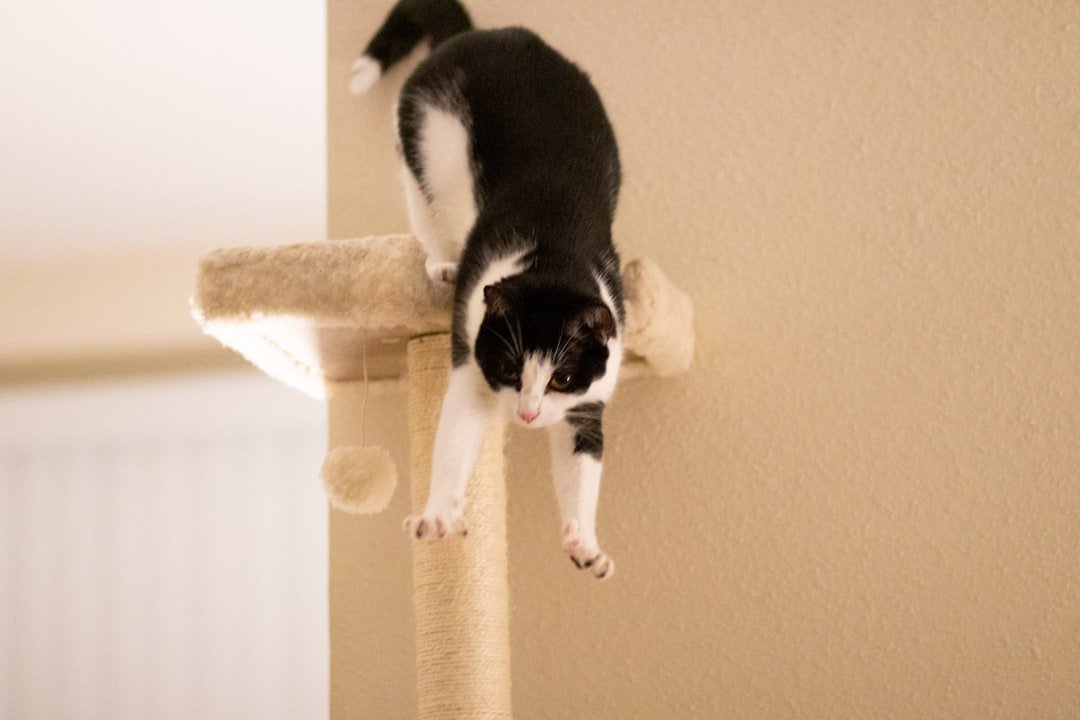
The best cat scratching post for kittens is usually a stable post with a heavy base and a tightly wrapped natural sisal surface. For most young cats, a post around 24 to 32 inches tall gives enough room for a satisfying full-body stretch while still fitting comfortably in a home. Start simple. A kitten may enjoy a cardboard scratcher, but a sturdy vertical post is usually the better long-term purchase because it gives them a consistent, acceptable place to use their claws.
There is no single perfect design. Kittens have individual preferences, and early experience can shape whether they choose a vertical post, a flat board, or an angled scratcher. Still, when you compare product specifications and common cat behavior needs, stability, surface texture, and usable scratching height matter more than decorative extras. A wobbly post fails fast. Even a very appealing material can be ignored if the post shifts when a kitten leans into it.
Best cat scratching post for kittens and their growth
Buy for the cat your kitten will become, not only for their current size. A tiny kitten can use a short 16-inch post, but many will outgrow it within months and start reaching for the sofa arm or a door frame instead. Think ahead. A post that allows a growing cat to extend their front legs high above their shoulders has a better chance of staying useful after the kitten stage.
For a vertical post, measure the scratching section rather than trusting the overall product height. Some posts have a tall base or a decorative top, while the actual covered area is much shorter. A useful target is a scratching surface at least 24 inches high for a kitten expected to grow into an average-size adult cat. Larger cats often benefit from more height. The cat should be able to stretch without crouching, and the post should remain steady when they pull downward with both front paws.
Width matters too. A narrow pole can work if it is firmly mounted, although a wider post gives a kitten more room to grip and turn their body. Look for a base that is broad enough to resist tipping, particularly if the post has a perch, dangling toy, or tall top section. Heavy is good. Solid wood, dense particleboard, or thick engineered wood bases are generally more stable than light hollow plastic components.
Do a simple store or delivery-day test before placing the post in its final spot. Put one hand near the top and press gently in several directions, roughly as hard as a playful kitten might push while climbing or scratching. It should not rock, slide, or lift at one edge. If it moves easily on hard flooring, add a nonslip mat beneath it or choose a heavier model. Do not rely on a kitten to be cautious around unstable furniture.
Materials that last longest
Natural sisal is often the strongest all-around choice for a scratching post that gets daily use. Sisal is a coarse plant fiber with a rough, grippy feel that many cats enjoy, and tightly wrapped sisal rope can hold up well against repeated clawing. Check the wrap. The rope should sit close together with no large gaps, loose ends, or exposed staples where paws can catch.
Sisal fabric is another durable option. Instead of rope wound around a pole, it is a woven sheet attached to a flat panel or post. Quality sisal fabric can provide an even scratching surface without the ridges created by rope, though its lifespan depends heavily on how securely it is fixed at the edges. Loose fabric is a warning sign. Once a kitten gets claws under an edge, the material can unravel or detach much sooner.
Jute and seagrass are also natural-fiber choices, but they vary more in texture and durability. Jute often feels softer than sisal and may fray sooner under determined scratching, while woven seagrass can be pleasant for cats that prefer a flatter texture. These can be good secondary scratchers. For one main post intended to take the hardest daily use, tightly wrapped sisal is usually the safer bet.
Carpet-covered posts remain common because carpet is familiar under cat paws and can look less rough in a living room. Dense, low-pile carpet generally lasts longer than loose, plush material, especially when it is securely stapled or glued underneath the post edges. Avoid long loops. A kitten’s claws can snag on looped carpet, and loose fibers may encourage chewing or pulling.
Cardboard scratchers are inexpensive, lightweight, and often immediately popular with kittens. They are particularly useful for cats that scratch horizontally, since many cardboard designs lie flat on the floor or sit at a shallow angle. They wear out. A cardboard pad may last weeks or months depending on use, while a well-built sisal post can last much longer, but replacement cardboard can still make sense because it gives kittens another legal scratching option in a high-risk area such as beside a sofa.
Wood can be a useful scratching surface for some cats, especially unfinished or bark-textured wood, but it is less predictable as a first purchase. Smooth sealed wood often offers little claw grip. If you choose a wood-based design, inspect it for splinters, sharp corners, loose bark, and unstable branches. Natural-looking products can vary a lot. A purpose-built post with a secure base is generally easier to assess than a decorative branch arrangement.
Construction matters as much as covering
A durable surface cannot rescue poor construction. Posts often fail because the central tube bends, the base cracks, the top platform loosens, or the covering detaches at the first vulnerable edge. Look underneath if you can. A product listing or package should make clear what the post is made of and whether the scratching section is replaceable.
Replaceable sisal sleeves or refillable scratching columns can reduce waste if the frame itself is strong. They are not always cheaper upfront, and replacement parts are not guaranteed to remain available, so check the manufacturer’s current information before treating that option as a long-term plan. Keep the receipt. It can also help to photograph assembly instructions and hardware details in case a bolt loosens later.
Posts assembled with bolts tend to be easier to tighten than glued-only furniture, particularly after active play. Check the fasteners after the first week, then periodically during normal cleaning. A post can slowly loosen without looking broken. If the pole turns independently of the base, stop using it until you can tighten it securely or replace it.
Avoid designs with dangling strings, feathers, elastic cords, or small ornaments that a kitten can chew off. Those additions may attract attention, but they do not improve scratching quality and can become worn before the main structure does. Less clutter is often easier. A plain post with reliable materials is usually more useful than a complicated unit with several fragile attachments.
Choose the scratching direction your kitten uses
Watch where your kitten already scratches. If they reach up a chair leg, door trim, or sofa corner, offer a vertical post nearby. If they rake at rugs or lie down to scratch, give them a flat cardboard pad or low horizontal board. Placement counts. A scratcher across the room from the preferred target may be ignored even if its material is excellent.
Many households do best with more than one style. This does not mean buying a huge cat tree immediately. One sturdy sisal post in the main living area and one inexpensive horizontal cardboard scratcher near a favored resting spot can cover two common scratching preferences. Add another only if you see a clear need, such as repeated scratching in a different room.
Place the first post close to where your kitten wakes up, plays hard, or has already shown interest in furniture. Cats often scratch after resting because stretching and claw maintenance are part of the behavior. Keep it visible. Hiding the post in a spare room may keep it out of sight for both you and the kitten.
If your kitten targets furniture, position the new scratcher directly beside that spot at first. You can gradually move it later once the kitten uses it regularly, shifting it a small distance every few days if needed. Do not punish scratching. Redirect calmly, make the approved surface easy to reach, and protect the furniture temporarily with a cover or a suitable barrier while the new habit develops.
Practical buying checklist
Before ordering, read the dimensions, weight, materials, and recent reviews with a specific purpose. Photos can make a post look larger or heavier than it is, especially when there is no familiar object in the image for scale. Use a tape measure. Mark the listed height on a wall or door so you can picture the real size in your room.
- Height: Aim for at least 24 inches of usable vertical scratching area if you want the post to last beyond kittenhood.
- Base: Choose a wide, heavy base that stays planted when pushed near the top.
- Covering: Prefer tightly wrapped natural sisal or securely attached sisal fabric for the main post.
- Edges: Check for loose rope, exposed staples, frayed carpet, splinters, or peeling adhesive.
- Placement: Plan where it will go before purchase, especially near existing scratching targets.
Price is not a perfect quality signal. A low-cost cardboard pad can be exactly right for a horizontal scratcher, while a cheap tall post may be frustrating if it tips or sheds its covering quickly. Prices vary by region. Spend more of the budget on stability and the main scratching material, then keep toys and decorative platforms secondary.
A realistic first setup might be one 28-inch sisal post with a solid base plus one cardboard pad. If the post costs more than a basic toy bundle but remains stable and usable for a longer period, it may be the better value. Replace worn scratchers before they become sharp, unstable, or covered in loose material. A worn but stable sisal post can still be loved, but a damaged structure is not worth keeping.
The best choice is the one your kitten actually uses safely and consistently. Give them a stable vertical option, add a horizontal surface if their behavior calls for it, and keep the scratchers close to the places that matter most. Start there. Durable sisal, enough height for a stretch, and a base that does not wobble are the practical details that usually make the biggest difference.
Related posts
This post is for general informational purposes only and is not veterinary advice. Every cat is different — if you have concerns about your cat’s health or behavior, please consult a qualified veterinarian.