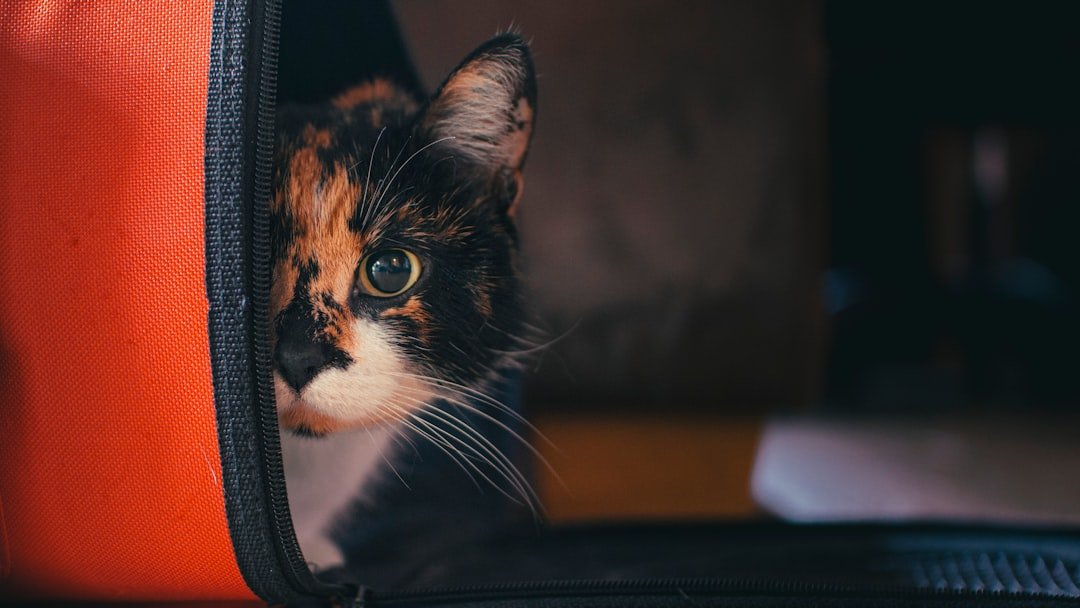
The best cat carrier for car travel is the one you can secure safely before a routine vet visit, when your cat is already hiding under the bed and the car is waiting outside. Start with safety. The best cat carrier for car travel should give your cat enough room to stand and turn around, while staying closed, stable, and properly restrained during braking or a sudden turn.
A loose carrier can slide. A cat loose in the car can also distract the driver, get under pedals, or escape when a door opens. For most everyday trips, a well-built carrier placed in the back seat and secured as its manufacturer directs is the practical baseline. The carrier needs to protect your cat from movement without becoming so large that it shifts around the seat.
Choosing the best cat carrier for car travel
Think about the carrier as part of the car restraint system, not simply a box for getting your cat indoors. That distinction matters. A carrier may have strong fabric, attractive panels, and a comfortable pad, yet still lack a belt-routing method or any information about vehicle restraint. Check the product instructions before buying.
Hard-sided plastic carriers are a common choice for short car trips. They usually have molded plastic walls, a solid base, and a wire door that lets you see the latch clearly. Smooth, one-piece plastic interiors are generally easy to wipe clean after an accident or motion sickness episode. Cleanup is easier.
The trade-off is bulk. A rigid carrier takes more storage space, can be awkward to carry through a parking lot, and may offer only a front door, which is difficult if a nervous cat plants all four feet at the back. Look for a model with a secure top opening if your cat tends to resist entering through the front.
Soft-sided carriers can be lighter and easier to store. Their padded sides may feel less exposed to some cats, and models with several zippered access points can make loading and handling less stressful. Zippers need attention. Check that each zipper has a locking clip, a covered pull arrangement, or another design that makes accidental opening less likely.
Soft carriers also have limits. Their walls can flex during a sharp stop, and a determined cat may damage mesh or work at a zipper. They can be a reasonable choice for calm cats and routine travel when they are well restrained, but they are not automatically equal to a rigid or independently crash-tested travel crate in impact protection.
Some travel crates are marketed as crash-tested. Read the details. A statement that a product was tested is more useful when the maker explains the test method, vehicle setup, carrier size, restraint used, and any weight limit. Look for practical design details too: a hard carrier may use built-in belt guides near its base, while a soft-sided model may use a reinforced rear sleeve that the vehicle belt passes through. If that information is missing, treat the claim as marketing rather than proof that the carrier will protect every cat in every collision.
Safety features to look for
Start with the door and latch. A carrier door should close without forcing the frame out of shape, and the latch should remain engaged when you lift or gently rock the empty carrier. Simple is good. Metal doors with a positive latch are common on hard carriers, while soft carriers need sturdy zipper construction and a backup closure where provided.
Check every opening. Top-loading doors, side doors, mesh windows, and expandable sections all add convenience, but each opening is another closure to inspect. Cats can be quick. Before leaving home, run your fingers along the zipper path, check clips, and make sure no panel has come partly unfastened.
Ventilation matters during travel, especially in warm weather. Choose a carrier with openings on more than one side, without such large gaps that a paw, head, or body could get stuck. A blanket over part of the carrier can reduce visual stress for some cats, but never cover all ventilation panels. Air must move.
A stable base helps your cat keep footing when the car moves. A removable, washable pad is useful, though it should fit flat rather than bunch up under your cat’s feet. For a cat that urinates from stress or gets carsick, place an absorbent layer beneath the pad and carry a spare. Expect messes sometimes.
Look for a clear vehicle restraint method. Some carriers have a pair of molded belt guides at the base, so the vehicle seat belt crosses the carrier rather than a handle or door. Others use a reinforced belt sleeve, dedicated straps, or a particular restraint system. Follow the maker’s instructions exactly. Routing a belt through an unapproved handle, mesh panel, or door frame may damage the carrier or let it tip.
Do not rely on a carrying handle as a tie-down point unless the instructions specifically say you can. Handles are for carrying. A carrier should sit level and have as little side-to-side movement as possible once secured. Test the setup with the empty carrier in your parked car before asking your cat to ride in it.
Keep the carrier out of the front passenger area because airbags can deploy with force. The rear seat is usually the more suitable place when the carrier can be secured there according to its instructions. If your vehicle, carrier shape, or restraint system does not allow a stable rear-seat setup, review the vehicle manual and the carrier instructions before traveling.
Get the size right
Too-small carriers make a trip miserable. Too-large carriers can allow more sliding and tumbling if they are not designed for that space. Your cat should be able to stand without crouching, turn around, and lie down in a natural position. That is the basic fit test.
Measure your cat while standing, if possible. Note the length from chest to rump and the height from floor to the top of the head or ears, then compare those measurements with the usable interior dimensions rather than the outer dimensions printed on a listing. Wall thickness, curved roofs, and padding reduce the space inside.
For two cats, separate carriers are usually safer than putting them together unless they travel calmly together and the carrier is specifically sized and rated for two animals. Stress changes behavior. Even close companions may argue or shift their weight unpredictably when confined during a noisy car ride.
Weight limits matter too. Stay within the stated limit, including any bedding or accessories placed inside. A large carrier made for a heavier pet may look generous for a small cat, but it may be harder to secure tightly on the vehicle seat. Match the carrier to both your cat and your car.
Access and cleaning make travel easier
Access design affects every trip. A top opening lets you lower a reluctant cat in with more control, while a front door can be less intrusive for a cat that walks in willingly. Some carriers have both. That flexibility is useful when you need to remove a cat gently at a clinic or clean bedding without dismantling the whole carrier.
Choose interiors without exposed sharp edges, loose screws, or rough plastic seams. Press lightly on the floor and walls. The carrier should not bend dramatically under ordinary handling, and the door should not scrape or snag when opened.
Washable parts save time. Removable pads, smooth plastic interiors, and replaceable liners are more practical than carriers with permanent absorbent fabric in every corner. Avoid strong-scented cleaners before travel, since many cats dislike unfamiliar smells. Unscented cleanup is often easier on everyone.
A carrier with lots of mesh can improve visibility and airflow, but it also gives a frightened cat more to claw. Inspect mesh stitching and seams before each trip. Replace a carrier if the mesh tears, a latch bends, or the base cracks. Small damage can become an escape route.
Make the carrier familiar before departure
The safest carrier is harder to use if your cat panics at the sight of it. Leave it open at home several days before a planned trip, with familiar bedding inside and the door secured so it cannot swing unexpectedly. Go slowly. Let your cat investigate without being pushed inside.
Try this simple preparation sequence for a non-urgent trip:
- Place the open carrier in a quiet room. Keep it still.
- Add a familiar blanket or small towel. Avoid loose strings.
- Offer a treat near the entrance, then inside if your cat is comfortable. Stop early.
- Close the door for a few seconds only after your cat can settle inside. Open it calmly.
- Practice carrying the secured carrier around the home before taking a short parked-car session. Keep sessions brief.
Do not use a carrier only for stressful appointments if you can avoid it. Familiarity may reduce resistance over time, although some cats will still dislike travel. That is normal. Your goal is safe, calm handling rather than forcing a cat to enjoy the car.
For the drive, secure the carrier first, then load your cat indoors and close the car door carefully. Keep the cabin at a comfortable temperature, avoid loud music, and drive smoothly where possible. Never leave a cat unattended in a parked car, even for a short errand, because interior temperatures can change fast.
What you may need besides the carrier
A small travel kit prevents avoidable problems. Bring a spare absorbent liner, a towel, cleanup supplies, and a copy of any information you may need at your destination. Keep it simple. Loose toys, bowls, and heavy accessories can move around inside the carrier and are often better left out during the drive.
A light cover can help some cats feel less exposed, provided it does not block airflow or interfere with the seat belt path. Check it after securing the carrier. If your cat pants, drools heavily, vomits repeatedly, seems unusually distressed, or has any concerning change during travel, contact a veterinarian for guidance rather than trying to solve it with a new carrier alone.
Frequently asked questions
Is a hard or soft carrier better for car travel?
Hard carriers usually offer a more rigid shell and simpler cleanup, while soft carriers are lighter and easier to store. Neither type is automatically right for every trip. Choose the carrier that fits your cat, closes reliably, and can be restrained properly in your vehicle.
Should I buckle a cat carrier into the car?
Yes, if the carrier instructions provide a seat-belt routing method or compatible restraint system. A carrier should not sit loose on a seat or floor where it can slide. Use the restraint only as directed by the manufacturer.
Can my cat ride in a harness instead of a carrier?
A harness is not a replacement for a secured carrier during car travel. Cats can slip out of harnesses, and a loose cat may distract the driver or escape when a door opens. A harness can be useful for controlled handling outside the carrier when appropriate, but the carrier remains the safer travel space.
How long can a cat stay in a carrier during a drive?
The answer depends on your cat, the trip conditions, and advice from your veterinarian when needed. For a routine journey, keep the trip as direct as possible and monitor your cat at safe stops. Longer trips need more planning for temperature, rest, cleanup, and your cat’s individual needs.
Related posts
This post is for general informational purposes only and is not veterinary advice. Every cat is different — if you have concerns about your cat’s health or behavior, please consult a qualified veterinarian.