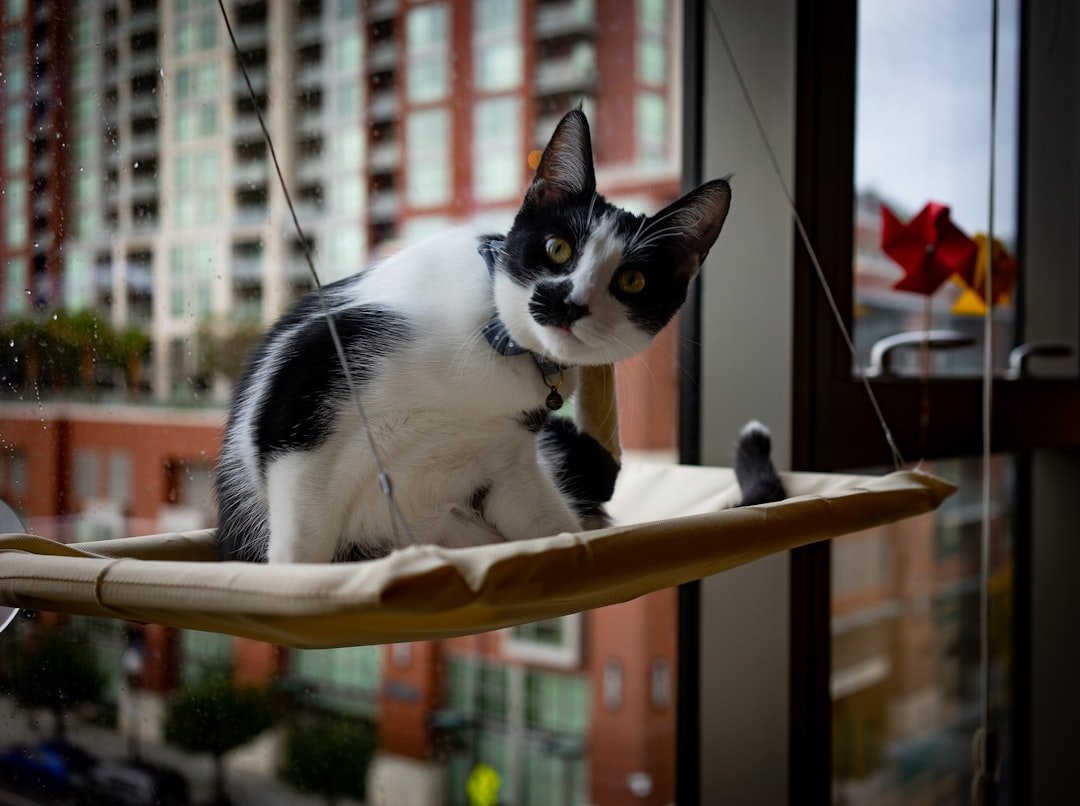
A common misconception is that cats need to roam outdoors to have a happy, natural life. Indoor cat vs outdoor cat lifestyle choices are really about balancing safety, stimulation, household needs, and the individual cat’s history. For most new owners, an indoor cat vs outdoor cat lifestyle with supervised outdoor time, if any, is the more manageable starting point. Safety comes first. A cat can have a full life indoors when its home gives it places to climb, scratch, hide, hunt through play, and rest without constant disturbance.
Indoor cat vs outdoor cat lifestyle basics
Indoor cats live inside the home and may have access to a secure catio, enclosed garden, or supervised harness walks. Outdoor cats may roam freely, either all day or at selected times. The difference is substantial. A free-roaming cat makes its own choices about distance, food, encounters with animals, and roads, while an indoor cat depends on its owner to provide activity and a suitable routine.
There is no single personality type for either arrangement. Some cats settle into indoor life easily, especially when they start young or come from a quiet indoor home. Others have spent years outside and may need a slow adjustment plan. Past routine matters. A formerly outdoor cat may call at doors, pace, or seem restless at first, but that behavior does not automatically mean indoor life cannot work.
Why indoor life is often the safer choice
Keeping a cat indoors reduces exposure to traffic, fights with other animals, parasites, lost-cat situations, and harmful substances left outside. It also limits the chance that your cat hunts wildlife or wanders into a neighbor’s shed, garage, or car. Outdoor hazards are unpredictable. Even a familiar, quiet street can change when a delivery vehicle arrives, a gate is left open, or an unfamiliar dog enters the area.
Indoor care also makes it easier to notice changes in appetite, litter box use, movement, and behavior. You know what food your cat has eaten and where it has been. That information can be useful when you speak with a veterinarian. It also makes routine care simpler, although indoor cats still need parasite prevention and veterinary guidance based on their own risk.
The main downside is that indoor cats can become bored if the home stays unchanged and their day has no active play. Boredom is preventable. Cats need an outlet for stalking, pouncing, climbing, scratching, and watching their surroundings, particularly if they are young, energetic, or the only pet in the home.
How to make an indoor home work
Set up the home before your cat arrives, then adjust it after you learn where the cat prefers to rest and watch. Start simple. A sturdy scratching post, a comfortable hiding place, fresh water, a litter tray in a quiet area, and a raised resting spot cover several basic needs without filling every corner with products.
Use interactive play every day. A wand toy moved slowly along the floor, behind furniture, and briefly out of sight can copy the movement of prey better than waving it directly in your cat’s face. Let the cat catch it sometimes. Finish with a small meal or a few pieces of its normal food, then put the toy away so it does not become a chew hazard.
A useful starting routine is two play sessions of about 10 minutes, one before you leave for the day and one in the evening. Keep it flexible. A kitten or highly active young cat may want more short sessions, while an older cat may prefer gentle play near its bed. Rotate a few toys every several days so familiar objects feel less predictable.
Vertical space can make a small home feel larger to a cat. Place a stable cat tree or shelf near a safe window, but check that window screens are secure before you allow access. Open windows are risky. Cardboard boxes, paper bags with handles removed, and covered beds give many cats useful choices at little cost.
The real pros and cons for new owners
Indoor living generally gives new owners more control and fewer unknowns. It can suit apartment living, busy roads, areas with predators, and homes where neighbors may object to wandering cats. It is easier to establish a feeding routine. You also avoid the daily uncertainty of wondering whether your cat will return on time.
However, indoor care asks more from the owner. You must clean litter trays, create play opportunities, prevent door dashes, and keep the home interesting over time. A cat that has nothing to do may scratch furniture, wake people early, or demand attention at inconvenient times. These are often routine problems. They usually call for more appropriate activity, not punishment.
Free outdoor access gives a confident cat more variety and self-directed exploration. Some owners find that their cats appear calmer after outside time. That benefit has a cost. You cannot control what the cat encounters, whether it enters private property, or whether another person feeds it.
Outdoor access may also complicate practical care. A cat may return dirty, injured, frightened, or late for a meal, and it can bring parasites indoors. You may need a microchip, an identification tag if safe for your cat, current preventive care, and a clear plan for what you will do if the cat does not come home. Check local rules as well. Requirements and neighborhood expectations vary by area.
Safer ways to offer outdoor time
If you want your cat to experience fresh air, free roaming is not the only option. A secure catio, enclosed balcony set up specifically for cats, or escape-proof garden enclosure can offer outdoor sights and smells while limiting many common risks. Inspect it regularly. Small gaps, loose mesh, and climbing routes near fences can turn a secure-looking space into an exit point.
Harness walks are another option, though many cats dislike them. Introduce the harness indoors first, for a few seconds at a time with treats or a calm meal afterward. Never drag a cat forward. If your cat freezes, panics, or struggles hard, stop and reassess rather than forcing the experience.
For a newly adopted cat, keep outdoor access off the table until the cat is settled indoors and you understand its behavior. Use at least several weeks as an adjustment period, not a deadline. Make sure the cat is comfortable eating, using the litter tray, and resting normally in the home. A cat that is still hiding or trying to escape needs security, not a new outdoor challenge.
Choosing based on your cat and home
Begin with your location. Busy traffic, nearby wildlife, loose dogs, harsh weather, and dense housing all increase the risks of unsupervised access. Then look at your indoor setup. A quiet one-bedroom flat with window perches and daily play may suit a cat better than a large house where the cat receives little attention.
Consider the cat’s background too. Ask a rescue organization or previous owner whether the cat has lived indoors, roamed outside, or used a secure enclosure. Be honest about your routine. If you cannot supervise outdoor time consistently, an enriched indoor plan is usually kinder than occasional access that creates a strong expectation without a reliable schedule.
If your cat has been used to roaming, make changes gradually. Block access to the usual exit, increase play before the times it normally goes out, offer food puzzles, and add a secure viewing spot near a window. Expect complaints at first. Do not respond by opening the door every time your cat vocalizes, or the behavior can become part of the routine.
FAQ
Can an indoor cat be happy in a small apartment?
Yes, many can. Floor space matters less than usable space and daily routine. Give the cat a tall resting area, a scratching option, a quiet litter location, and regular interactive play. Watch how your cat uses the room, then move items to the spots it already prefers.
Should I let my cat outside if it cries at the door?
Door crying can mean your cat wants novelty, has learned that crying gets a response, or notices outdoor scents and movement. Pause first. Try play, a food puzzle, a window perch, or a secure enclosure rather than treating free access as the only answer. Sudden or intense behavior changes deserve a conversation with a veterinarian.
Is a catio better than harness walking?
A catio is often easier for cats that dislike restraint and for owners who want a predictable routine. Harness walks can work for a relaxed cat that accepts the equipment and stays calm outdoors. Neither option suits every cat. Your cat’s comfort should guide the choice.
Can I turn an outdoor cat into an indoor cat?
Some cats adapt well, while others need more time and a carefully enriched home. Go slowly. Keep the routine steady, add play around former outdoor hours, and provide safe places to observe outdoors without leaving the home. If stress or behavior concerns continue, ask a veterinarian or qualified cat behavior professional for individualized guidance.
Related posts
This post is for general informational purposes only and is not veterinary advice. Every cat is different — if you have concerns about your cat’s health or behavior, please consult a qualified veterinarian.