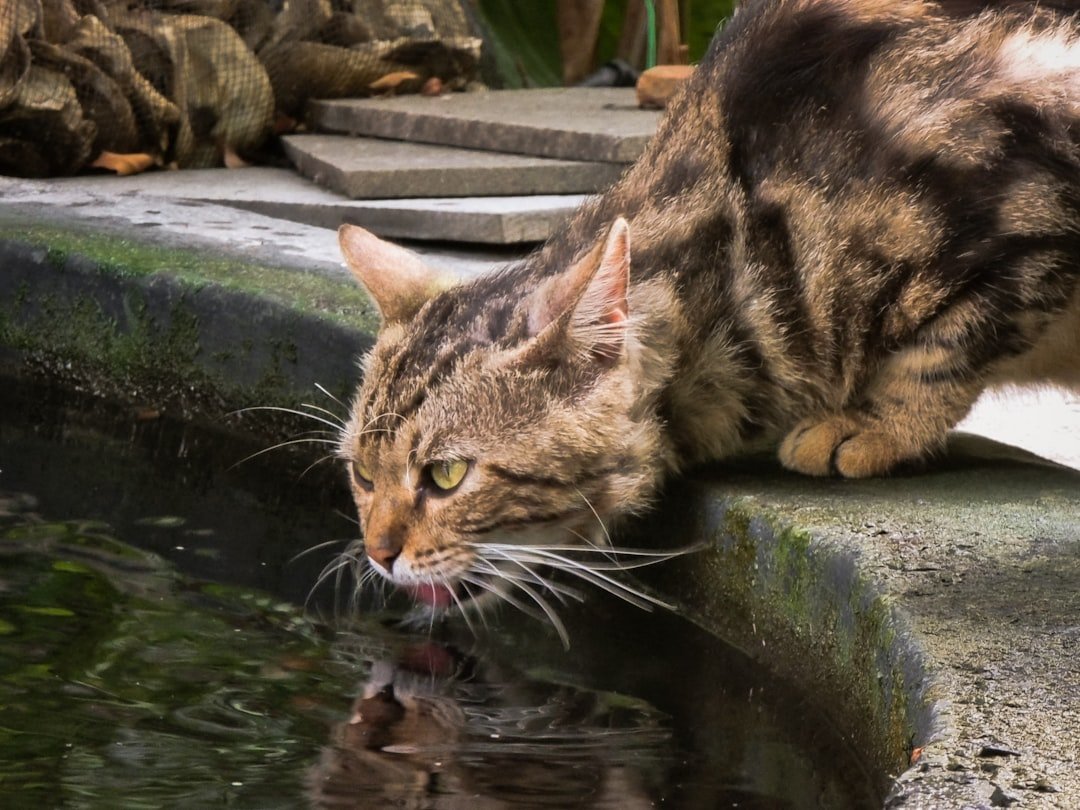
How often should I bathe my cat? Most healthy cats need a full bath very rarely, if ever, because regular self-grooming usually keeps their coat clean. Usually, no bath is needed. The honest answer to how often should I bathe my cat depends on whether their fur has something on it, whether they can groom normally, and whether their skin needs a care plan from a veterinarian.
How often should I bathe my cat?
A healthy indoor cat with a normal-looking coat generally does not need routine monthly baths. Cats spend a lot of time licking and arranging their fur, which removes loose hair and distributes the natural oils that keep the coat in good condition. Frequent bathing can strip those oils, dry the skin, and turn a cat who tolerates handling into one who dreads the bathroom.
Think of a bath as a cleanup tool, not a standard weekly chore. A full bath is sensible when your cat has stepped in something sticky or dirty, has feces or urine in the coat, or has gotten into a substance you do not want them to lick off. If the substance may be toxic, corrosive, or a chemical product, act promptly and contact a veterinarian or a pet poison advice service before trying to wash it away, since the safest response depends on what the product is.
Some cats need extra help because they cannot reach parts of their body comfortably, especially as they get older, gain weight, or have limited mobility. A greasy coat, matting around the rear, or repeated soiling can also mean grooming is no longer keeping up. Do not assume it is just messiness. A veterinarian can help you decide whether there is an underlying reason and whether bathing, clipping, or another approach is appropriate.
Use grooming more often than bathing
A grooming frequency guide is more useful than a bathing calendar for most cats. Brushing removes shed fur before your cat swallows it, helps you notice tangles early, and gives you a close look at the coat and skin without soaking either one. Begin with a few calm strokes rather than forcing a long session on a cat who wants to leave.
For a short-haired cat, one brushing session each week is a practical starting point, with extra sessions during heavy shedding. Medium or plush coats often benefit from brushing two or three times a week. Long-haired cats need a daily check, particularly under the front legs, around the collar area, along the belly, and at the back legs, where small knots can tighten quickly. Keep sessions brief and stop before your cat becomes frustrated.
Hairless cats are different because skin oils are more visible without fur to absorb them. They often need regular gentle wiping and occasional bathing, but the right schedule varies with the cat, its skin, and its environment. Follow any care guidance from your veterinarian. Avoid copying another owner’s routine exactly, since a schedule that leaves one cat comfortable may irritate another cat’s skin.
When spot cleaning is enough
You often do not need to bathe the whole cat when only one area is dirty. A damp, soft cloth can clean a paw, tail tip, or small patch of fur with far less stress. Use lukewarm water first, then dry the area thoroughly with a towel so your cat does not stay chilled or damp.
For dried debris in fur, soften it with a wet cloth and gently work it free rather than pulling. Never cut close to the skin with household scissors, especially near a mat, because cat skin can be caught in the tangle and is easy to nick. If you cannot separate a mat with your fingers and a cat-safe comb without tugging, arrange help from a groomer experienced with cats or speak with your veterinarian.
Unscented pet wipes made for cats can be handy for small messes, but read the label before use and keep wipes away from the eyes and inside of the ears. Human baby wipes may contain ingredients or fragrance that are not meant to be licked off. Rinse-free products also leave residue. Use them only when needed, rather than as a substitute for normal coat care.
How to give a cat a bath safely
If a full bath is necessary, prepare everything before bringing your cat into the room. A rushed bath is harder for everyone. Put a towel on the bottom of a sink or basin for secure footing, set out two dry towels, and use a cat shampoo that is made and labeled for cats.
- Brush the coat first so loose fur and small tangles do not become wet clumps.
- Fill the basin with a small amount of lukewarm water before your cat enters the room.
- Wet the body slowly with a cup, keeping water away from the face and ears.
- Use a small amount of cat shampoo, then rinse until the coat no longer feels slippery.
- Wrap your cat in a dry towel and keep them in a warm, draft-free room until fully dry.
Keep the bath short and calm, especially the first time. Speak softly. Do not hold a struggling cat under running water or try to finish the job by force, because panic can lead to scratches, escape attempts, and a much harder next bath. If your cat becomes highly distressed, stop when it is safe to do so and ask a feline-experienced groomer or veterinarian for practical guidance.
Do not use human shampoo, dish soap, or a dog flea shampoo on your cat unless a veterinarian specifically tells you to use a particular product. These products may contain ingredients or concentrations that are too harsh for feline skin, and cats can ingest residue while grooming. Products that seem mild to us can be drying, irritating, or dangerous after a cat licks residue from its coat.
Keep the face, ears, and nails separate
A bath is not the right way to clean inside your cat’s ears or around their eyes. For a little eye discharge, use a clean damp cloth and wipe outward once, using a fresh part of the cloth for the other eye. Be gentle. Persistent discharge, redness, squinting, or swelling deserves a call to a veterinarian rather than repeated home cleaning.
Likewise, avoid putting water into the ears. If you notice frequent head shaking, a strong ear odor, dark debris, or obvious discomfort, do not dig in with cotton swabs. Leave it alone. A veterinarian can examine the ear and tell you what cleaning, if any, is safe for your cat.
Nail trims can happen on a different day from grooming or bathing. Combining every task into one long handling session can overwhelm a beginner cat and make future care more difficult. Trimming even one paw at a time is fine; give a treat, end on a calm note, and continue later if your cat is still relaxed.
Build a routine your cat can accept
The best grooming routine is one you can repeat without a fight. Begin when your cat is resting nearby, offer the brush for a sniff, then make one or two strokes along an area they usually enjoy, such as the shoulders or back. Pause there. Over several short sessions, many cats learn that the brush predicts gentle attention rather than restraint.
Check the coat during normal petting once a week. Feel for rough patches, clumps, or dampness around the rear, and look for changes such as flaky skin, bald spots, sores, or an unusually greasy coat so you can spot problems early. If a coat problem persists, gets worse, or your cat suddenly stops grooming, contact a veterinarian for advice rather than increasing baths.
For most households, the practical answer is simple: brush on a schedule that suits the coat, spot-clean small messes, and reserve full baths for genuine need. Less is often better. That approach respects a cat’s normal grooming behavior while still keeping you ready for the occasional muddy paw, litter-box accident, or unwanted substance in the fur.
Related posts
This post is for general informational purposes only and is not veterinary advice. Every cat is different — if you have concerns about your cat’s health or behavior, please consult a qualified veterinarian.