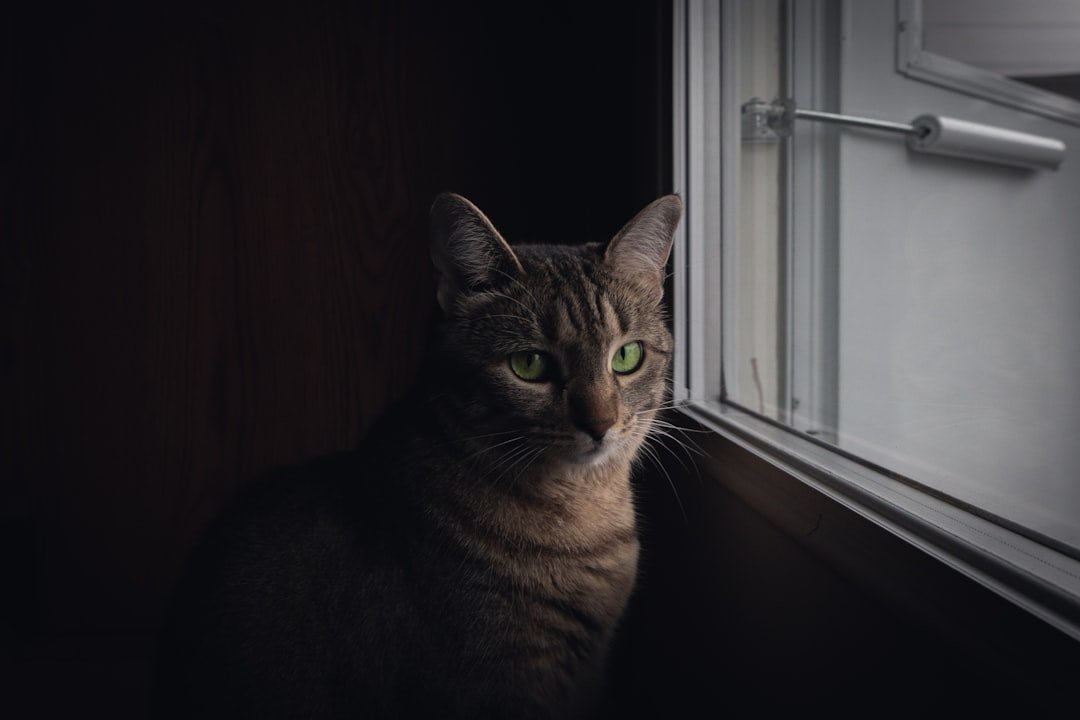
A common misconception behind the question, “why does my cat yowl at night,” is that cats are simply nocturnal. They are usually more active at dawn and dusk, but persistent nighttime yowling has several possible causes. It needs context. Your cat may be hungry, bored, responding to a sound outside, seeking attention, or struggling with a change in comfort or routine. A sudden change in a normally quiet cat deserves more attention than a long-standing habit that happens at the same time every evening.
Why does my cat yowl at night?
Yowling is usually louder, longer, and more drawn out than an ordinary meow. Cats use it to communicate something, even when the message is not obvious to us. Start by noticing when it happens. A cat who calls near the food bowl may want a meal, while one who cries at a window may be reacting to neighborhood cats, wildlife, headlights, or unfamiliar noises.
Cats also learn quickly which actions get results. This is common. If yowling once led to a late-night snack, play session, open bedroom door, or conversation, your cat may repeat it because the behavior worked. That does not mean your cat is being difficult. It means the routine has become rewarding from the cat’s point of view.
Indoor cats can be especially lively after people settle down for the night, particularly if they have spent much of the day sleeping in a quiet home. A cat with little daytime activity may have saved up energy, then patrol the house and call for company when the lights go out. Even a cat with plenty of toys can get bored if those toys stay in the same place for weeks.
Common nighttime triggers to check first
Before assuming the problem is behavioral, look at the simple, repeatable triggers around your home. Keep it practical. Check whether the water bowl is fresh, the litter box is clean, and your cat can reach favorite sleeping spots without a closed door or a blocked route. Some cats also object strongly to a new litter, noisy appliance, visiting pet, or moved piece of furniture.
- Hunger or meal timing: A cat who eats dinner early may be genuinely ready for food before morning.
- Outdoor activity: Cats often yowl when they see or smell another cat near the house.
- Attention: A cat may have learned that nighttime calls bring a person into the room.
- Under-stimulation: Long daytime naps can lead to nighttime play requests and vocalizing.
- Reproductive behavior: An unspayed female in heat may call loudly, and an unneutered male may respond to nearby cats.
- Discomfort or confusion: New vocalizing, especially in an older cat, can be a reason to contact a veterinarian.
Do not punish yowling. Yelling, spraying water, or shutting a frightened cat alone in an unfamiliar space can increase stress and may make the calls worse. Instead, try to identify the pattern. A brief written log for three to five nights can reveal more than memory does.
Senior cats vs kittens at night
Age changes the likely reasons for nighttime noise. Kittens often yowl because they are adjusting to a new home, missing littermates, feeling unsure in a large space, or waking up ready to play. This is normal in many cases. Young kittens need warmth, predictable meals, safe sleeping areas, and gradual confidence-building rather than free access to every room on the first night.
A kitten who has just arrived may settle better in a quiet, kitten-proofed room with a bed, water, litter box, and a safe hiding place. Keep the setup simple. Spend calm time with the kitten before bed, then avoid turning every overnight cry into an exciting play session. If the kitten seems ill, is not eating, has diarrhea, or cries continuously with signs of distress, contact a veterinarian promptly.
Senior cats need a different level of caution. Older cats may yowl at night because reduced vision or hearing makes dark, quiet rooms confusing, or because mobility problems make it harder to reach the litter box, water, or a favorite bed. Some older cats also develop changes in sleep patterns and awareness. These changes are not something to diagnose at home.
If an older cat begins yowling more often, seems disoriented, stares at walls, misses the litter box, changes appetite, loses weight, drinks much more, or appears painful when moving, arrange a veterinary appointment. Do not wait for weeks. Night vocalizing can accompany medical problems, discomfort, sensory decline, or cognitive changes, and a veterinarian can assess the whole picture.
Build a calmer evening routine
For a healthy adult cat with a predictable nighttime calling habit, a consistent routine is often the most useful first step. Small changes matter. The goal is to give your cat an outlet before you go to sleep, then make overnight responses calm and boring rather than rewarding.
- Schedule active play before bed. Use a wand toy or another toy your cat can chase for about 10 to 15 minutes. Let the cat catch it occasionally so the game does not end in frustration.
- Offer a small meal afterward. Many cats naturally follow a hunt, eat, groom, and rest pattern. Ask your veterinarian about appropriate portions if weight is a concern.
- Refresh the nighttime basics. Scoop the litter box, refill water, and make sure sleeping areas are easy to access.
- Reduce window triggers. Close curtains or use a privacy covering if your cat yowls at animals outside.
- Use an automatic feeder if hunger is the pattern. Set a small portion shortly before the usual calling time, rather than getting up yourself.
- Keep your response consistent. Once immediate needs and health concerns are addressed, avoid offering food, play, or extended attention in direct response to yowling.
Consistency is the hard part. If one person ignores the calls while another gets up at 3 a.m. with treats, the cat receives mixed information and the habit may last longer. Give a routine at least several days to become familiar, but do not persist with a behavior plan if your cat seems unwell or the vocalizing is new and intense.
Make the home easier to navigate
Nightlights can help some senior cats move around without startling in the dark, especially near litter boxes, stairs, food, and water. Keep pathways clear. A low-sided litter box, a step up to a favorite sofa, or an extra water bowl on the main floor may reduce frustration for a cat with limited mobility.
For cats of any age, rotate a few toys instead of leaving every toy out all the time. Put a cardboard box, paper bag with handles removed, or puzzle feeder out during the evening. Supervise anything your cat might chew or swallow. The best enrichment is safe, and it does not need to be expensive.
When nighttime yowling needs veterinary help
Call a veterinarian soon if the yowling is sudden, markedly louder than usual, or paired with behavior changes. Trust the change. Seek prompt advice if your cat has trouble urinating, repeated trips to the litter box, vomiting, weakness, labored breathing, collapse, obvious pain, or has stopped eating. Those signs can be urgent, especially when they appear together.
Bring useful details to the appointment: your cat’s age, when the calling began, the time it occurs, any changes in food or water intake, litter box habits, mobility, weight, household routine, and a short video if you can safely record one. Clear observations help. Night yowling is frustrating when you are exhausted, but it is still communication, and a calm routine plus timely veterinary guidance gives you the best chance of understanding what your cat needs.
Related posts
This post is for general informational purposes only and is not veterinary advice. Every cat is different — if you have concerns about your cat’s health or behavior, please consult a qualified veterinarian.