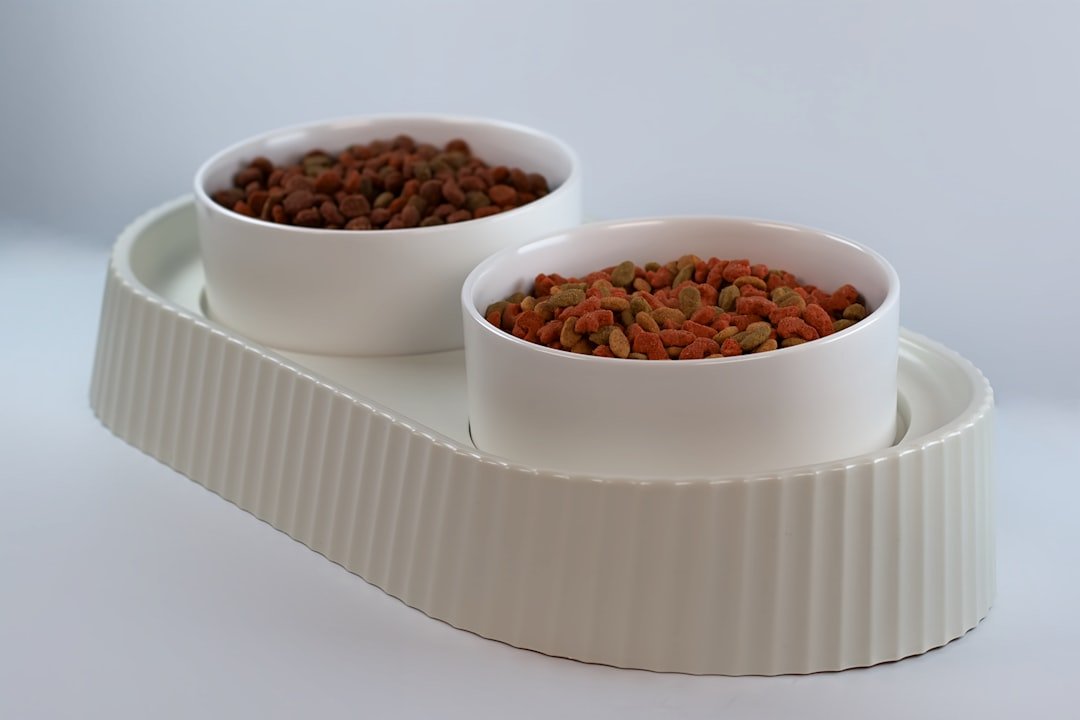
If you are asking why does my cat guard the food bowl, start by feeding each cat in a separate, visually blocked spot at the next meal. Give them space. In multi-cat households, even cats that seem friendly may feel tense when another cat can watch, approach, or finish food nearby. Why does my cat guard the food bowl? Usually because food feels limited, vulnerable, or easy for another cat to take.
Why does my cat guard the food bowl?
Food guarding is a form of resource protection. A cat may sit over the dish, eat very fast, block another cat’s path, stare, swat, growl, or return to check the bowl after eating. These behaviors can look bossy, but they often come from uncertainty rather than a wish to be dominant. Food matters. A cat may have learned that another pet steals meals, or may simply dislike being watched while eating.
Past experiences can also shape the behavior. A cat that competed for food before joining your home may stay alert around bowls even when there is now plenty available, while a cat who has always lived with other cats may begin guarding after a new pet arrives or a household routine changes. Cats notice small changes. Moving a bowl into a busy hallway, feeding later than usual, or placing dishes side by side can create pressure.
Signs that food guarding needs a change
Some cats prefer private meals without actively guarding food. The bigger concern is repeated tension that prevents one cat from eating calmly or getting enough food. Watch meals for a few days. Stay far enough away that your presence does not change what the cats do, and note who approaches first, who leaves early, and whether one cat circles back to another cat’s dish.
- One cat blocks the bowl or doorway while another hesitates.
- A cat gulps food, growls, swats, or chases another cat away.
- One cat waits until the room is empty before eating.
- You find one bowl untouched while another is empty.
- A usually relaxed cat becomes tense only at mealtimes.
Silent pressure counts too. A cat does not need to fight for the setup to be uncomfortable. Staring, following, and sitting between another cat and the food can be enough to make a timid cat skip meals.
Set up safer meals in multi-cat households
Separate bowls by more than a few feet. Ideally, each cat eats in a different room with a door, baby gate, or furniture barrier between them, provided every cat can reach its own food safely. Visual privacy helps. A nervous cat may eat better in a quiet bedroom, while a confident cat can eat in the kitchen or another calm area.
- Feed measured meals at predictable times so you can see what each cat actually eats.
- Put bowls down in separate locations before calling the cats to eat. Do not place one cat’s dish after another cat has already started.
- Stay nearby at first, but avoid hovering over the bowls or correcting normal cautious behavior.
- Pick up remaining food after the meal if one cat raids the others’ dishes. This prevents a fast eater from practicing bowl stealing.
- Adjust the distance gradually only after several calm meals. Keep separate stations if that remains the easiest arrangement.
For cats who need access to food throughout the day, separate rooms may still work if someone can supervise short feeding periods. Some households use a feeder that opens only for one cat, but check the product instructions and make sure each cat is comfortable using it before relying on it. Start slowly. A feeder is a management tool, not a cure for tension between cats.
Do not punish growling, swatting, or guarding. Punishment can make a cat feel less safe around food and may suppress warning signals without removing the underlying stress. Instead, prevent close encounters and reward calm behavior with a quiet routine. If you toss treats, do so at a comfortable distance from bowls and only when the cats are already relaxed.
When to involve a veterinarian
Arrange veterinary advice if food guarding appears suddenly, becomes intense, or comes with a major change in appetite, thirst, weight, vomiting, diarrhea, pain, or energy level. Those changes need a health check. A veterinarian can assess whether a medical issue may be affecting hunger or comfort, and can discuss next steps if behavior changes continue after you improve the feeding setup.
Seek additional behavior support if cats are fighting, one cat cannot reach food safely, or you are separating them for much of the day to prevent conflict. Keep notes. A short record of meal times, portions, locations, and incidents gives a veterinarian or qualified feline behavior professional useful context.
Frequently asked questions
Should I feed my cats next to each other so they get used to it?
Usually, no. Feeding cats close together can make competition worse when one already guards food. Begin with enough distance and visual separation that both cats eat calmly, then keep that arrangement if it works. Peaceful meals are the goal. Cats do not need to share a feeding station to have a good relationship.
Why does my cat guard an empty food bowl?
An empty bowl can still matter because it predicts the next meal or carries the scent of food. A cat may also guard the location itself, especially if another cat often passes through that area. Watch the pattern. If the cat blocks the space before meals, use separate feeding areas and avoid making cats wait together near the bowls.
Can I leave food out all day in a multi-cat home?
It depends on the cats and the food plan recommended for them. Free feeding makes it harder to tell who ate what, and it can give a food-guarding cat more chances to control access. Measured, separate meals are often easier for monitoring. Ask your veterinarian about an appropriate feeding routine for each cat.
Will getting another bowl solve the problem?
Extra bowls can help, but location matters more than the number of dishes. Two bowls placed together may still feel like one resource that a confident cat can control. Put bowls in separate areas. Add privacy and a routine so each cat can eat without needing to watch the other.
Related posts
This post is for general informational purposes only and is not veterinary advice. Every cat is different — if you have concerns about your cat’s health or behavior, please consult a qualified veterinarian.