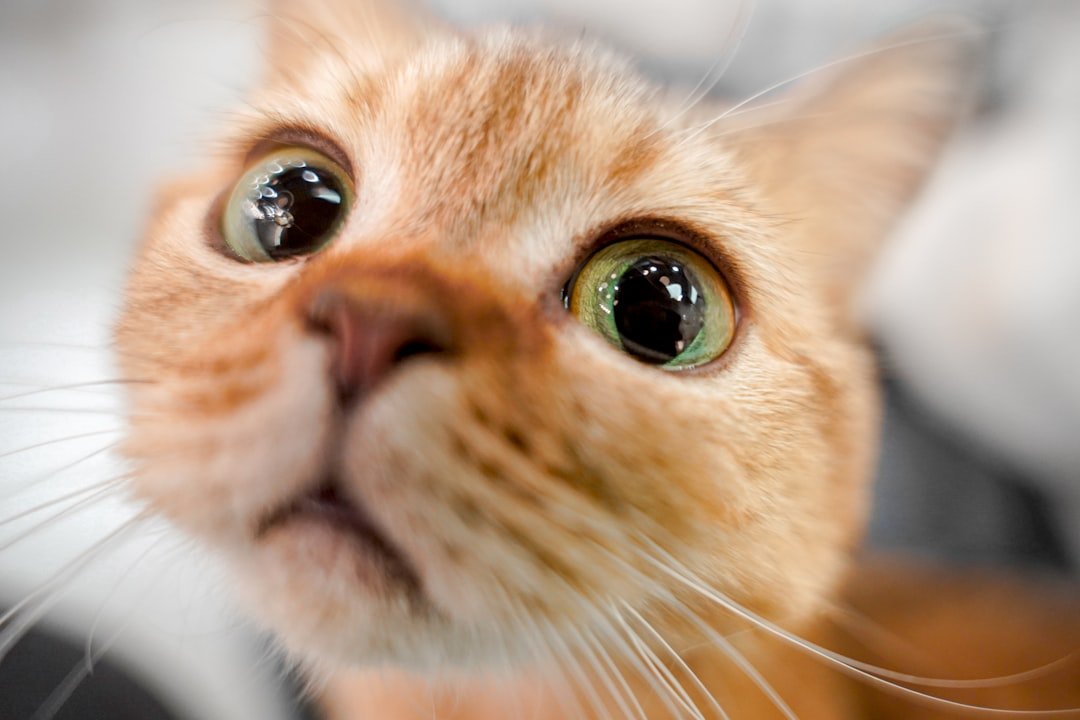
A common misconception is that cat pupils always dilated causes mean a cat is angry or ready to attack. That is not true. A cat’s pupils widen and narrow constantly to manage light, and emotion can change their size too. If you are searching for cat pupils always dilated causes, the useful question is whether both pupils react normally and whether your cat has any other changes in vision, behavior, or comfort.
Cat pupils always dilated causes
Cats have vertical slit pupils that can become very narrow in bright light and large and round in darkness. This is normal. Their pupils widen to let in more light, which helps them see when a room is dim or when they are active at dawn and dusk. A cat lying in a sunny window may have thin pupils, then show large pupils within seconds after walking into a hallway.
Excitement also changes pupil size. Play, stalking a toy, hearing an unfamiliar sound, or watching birds outside can all cause wide pupils because the cat is alert. Fear can do it too. In these situations, the dilation should usually ease when the cat settles in a familiar, comfortably lit place.
Some cats simply look wide-eyed more often than others. Lighting matters. Dark fur around the eyes can also make pupils appear larger than they are. Look at both eyes together under the same light, rather than judging from a quick photo taken indoors.
Normal vs abnormal pupil dilation
| More likely normal | More concerning |
|---|---|
| Both pupils widen in a dark room and become smaller in brighter light. | One pupil is noticeably larger than the other, especially if this is new. |
| Pupils widen briefly during play, surprise, hunting behavior, or excitement. | Both pupils remain very large in ordinary indoor light and barely change. |
| Your cat acts normally, navigates well, eats, rests, and responds as usual. | Your cat bumps into objects, hesitates at stairs, seems confused, or startles easily. |
| The eyes look clear and comfortable. | There is squinting, cloudiness, redness, discharge, rubbing, or a visible injury. |
| The pupils return to their usual size after the trigger passes. | The change appears suddenly alongside weakness, collapse, vomiting, severe distress, or unusual behavior. |
The biggest difference is response. Healthy pupils generally get smaller with more light and larger with less light, although a cat’s normal response can be subtle. Do not shine a bright flashlight directly into your cat’s eyes. It is uncomfortable and can make an already frightened cat harder to assess.
Reasons pupils may stay wide
Persistent dilation can happen for several reasons, and the eyes are only one part of the picture. Pain, fear, and ongoing stress can keep a cat in a high-alert state. A frightened cat may also crouch, hold the ears back, tuck the tail, hide, or react strongly to touch. Give that cat space.
Vision problems can also make pupils appear unusually large because the eyes may not respond normally to light. Changes within the eye, pressure-related eye problems, and conditions affecting the retina or nerves are examples a veterinarian may consider. These cannot be sorted out reliably at home. Eye problems can worsen quickly.
High blood pressure is another concern in some cats, particularly older cats or cats with known kidney or thyroid disease. It can affect the eyes and vision. A cat may suddenly seem unable to find food, misjudge jumps, stare at walls, or move cautiously around familiar furniture.
Some medicines and accidental exposure to certain products can affect pupil size or behavior as well. Keep flea treatments, human medications, essential oils, cleaning products, and garden chemicals away from cats unless they are specifically labeled for feline use. Never try to treat dilated pupils with drops meant for people. The wrong product can cause harm.
Head injury, neurologic illness, and severe body-wide illness may also involve pupil changes. That sounds alarming. The key point is that pupil size alone does not identify the cause, but a sudden or persistent change deserves prompt attention when your cat is not acting normally.
When to call a veterinarian
Arrange a veterinary appointment soon if both pupils seem persistently enlarged in normal room light, especially when the change lasts beyond a brief stressful event or your cat seems less confident moving around. Take a few clear photos in similar lighting before the visit if you can. Photos help show a change that may come and go.
Seek urgent veterinary care if one pupil suddenly becomes larger than the other, or if dilated pupils occur with apparent vision loss, eye pain, trauma, collapse, seizures, marked weakness, disorientation, or difficulty breathing. Do not wait overnight for a cat who seems suddenly blind or has a painful-looking eye. Time can matter for eye and neurologic problems.
Signs of eye discomfort include squinting, holding an eye closed, pawing at the face, avoiding bright rooms, tearing, redness, a cloudy surface, or an eye that looks swollen. Cats often hide pain well. A quiet cat is not necessarily comfortable.
A practical check at home
Use this simple observation routine before calling the clinic, unless your cat has an urgent sign listed above. Keep handling gentle. You are gathering useful details, not testing your cat.
- Look at both pupils in normal indoor light. Note whether they match in size and shape.
- Watch your cat walk through a familiar room. Notice bumping, missed jumps, or reluctance near stairs.
- Check for squinting, redness, cloudiness, discharge, swelling, or rubbing at the face.
- Think about timing. Did the change begin after a stressful event, a fall, a new medication, or possible chemical exposure?
- Record other changes, such as hiding, appetite loss, vomiting, increased thirst, restlessness, or unusual sleepiness.
A short written note can make the appointment more productive, especially if several people care for the cat. Include when you first noticed the pupils, whether the issue affects one eye or both, and whether the pupils change between a bright room and a dim room. Small details are useful.
What not to do
Do not restrain your cat to repeatedly check the eyes. Stress itself can enlarge pupils, so repeated testing may confuse the situation and make your cat upset. One calm observation is enough.
Do not use over-the-counter eye drops, leftover pet medication, or home remedies unless a veterinarian has told you to use that exact product for your cat. Eye medications are not interchangeable. Also avoid assuming the problem is behavioral when there are signs that your cat cannot see or is in pain.
Wide pupils are often a normal response to darkness, play, or a startling moment. Persistent dilation is different. When the pupils stay large, react poorly to light, look uneven, or come with any change in comfort or vision, a veterinarian is the right next step.
Related posts
This post is for general informational purposes only and is not veterinary advice. Every cat is different — if you have concerns about your cat’s health or behavior, please consult a qualified veterinarian.