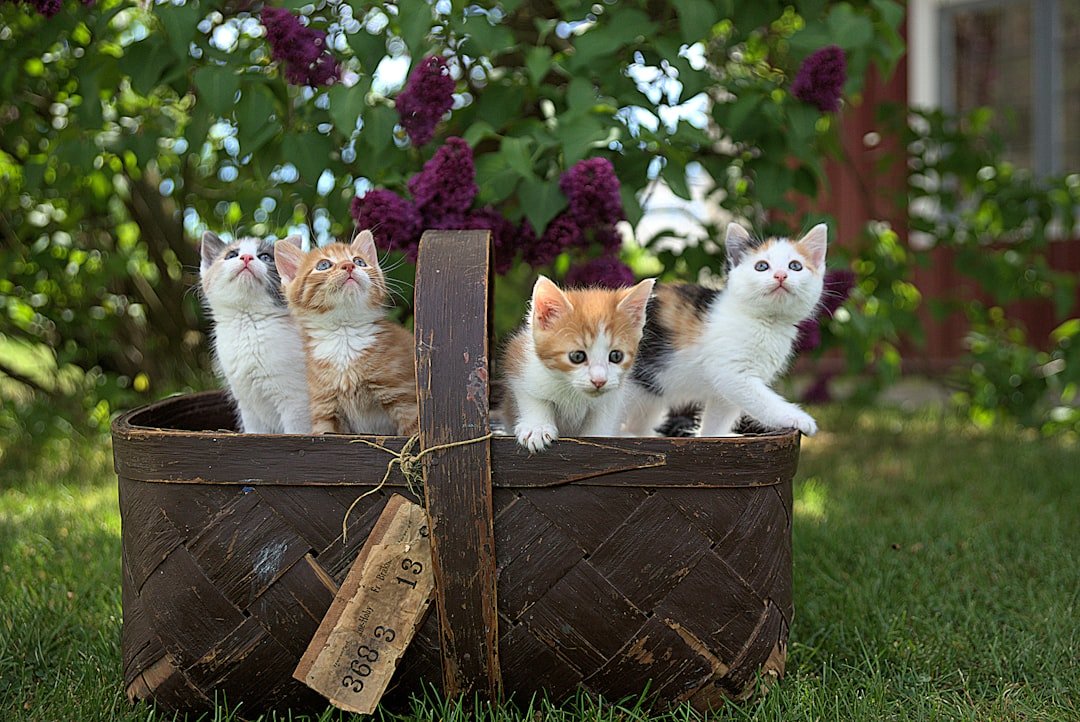
An essential supplies checklist for new kitten owners starts with a safe place to sleep, food, water, a litter box, a carrier, scratching material, and a few simple toys. Start small. You do not need a house full of cat products before your kitten arrives, and a modest setup is often easier to keep clean, observe, and adjust during those first busy days.
Choose basic items that are easy to wash and sized for a growing kitten. Keep receipts. Your kitten may reject one litter texture or bowl shape, so buying the cheapest workable version first lets you learn their preferences without wasting much money.
Essential supplies checklist for new kitten owners
Set up one quiet room or contained area before letting your kitten explore the whole home. A smaller space makes it easier for a kitten to find the litter box, food, water, and bed. It also limits access to cords, small objects, open cupboards, and hiding places you cannot reach.
- Kitten food: Choose a food labeled for kittens or for all life stages, then follow the package feeding guide as a starting point.
- Food and water bowls: Two shallow, stable bowls are enough. Stainless steel or ceramic is usually easy to clean.
- Litter box and litter: Use a low-sided, open box at first so a small kitten can enter easily.
- Carrier: Get a secure carrier before any vet visit or travel need arises.
- Bed or soft blanket: A washable fleece blanket in a box or open bed often works well.
- Scratching surface: A cardboard scratcher is an inexpensive starting choice.
- Toys: Buy a few lightweight balls, soft mice, or a wand toy intended for supervised play.
- Grooming basics: A soft brush and kitten-safe nail clippers are useful, though neither needs to be expensive.
Skip automatic gadgets at first. A kitten does not need a fountain, smart feeder, enclosed litter box, stroller, or elaborate cat tree to settle in well.
Budget friendly picks that still cover the basics
Spend your initial budget on items that affect daily care and safety, then add extras later. The carrier matters. A stable litter box and a dependable food supply matter more than matching décor or novelty toys.
| Supply | Simple budget friendly pick | What to check |
|---|---|---|
| Litter box | Open plastic tray | Low entry, enough room to turn around |
| Food bowls | Two stainless steel bowls | Wide base and no sharp edges |
| Bed | Folded washable blanket | Warm, dry, and placed away from foot traffic |
| Scratcher | Cardboard scratch pad | Does not slide across the floor |
| Toys | Soft balls and a wand toy | No loose strings, bells, or detachable pieces |
| Carrier | Hard-sided or sturdy soft carrier | Secure closure and adequate ventilation |
Prices vary by region. A plain plastic tray, cardboard scratcher, and washable blanket can cost far less than specialty alternatives, while the carrier is usually the item where a very flimsy option can create problems later.
Do not use household string, yarn, rubber bands, hair ties, plastic bags, or small craft items as toys. Tiny objects disappear fast. Store them in a closed drawer, even if your kitten only plays with them while you are nearby.
Food, water, and litter setup
Ask the shelter, breeder, or previous caregiver what food and litter your kitten has been using. Familiar smells help. If you want to change food, do it gradually over several days by mixing increasing amounts of the new food with the old one, unless a veterinarian gives different instructions.
Put water away from the litter box and, if possible, a little away from food. Many cats prefer this. Refresh the water daily and wash bowls with hot soapy water regularly, especially if wet food has dried around the rim.
For one kitten, begin with one box in the room where they spend most of their time. Scoop daily. Once the kitten has access to more of the home, adding another box in a separate quiet location can prevent long trips and accidents.
Unscented clumping litter is a common practical choice for many homes, but some young kittens may try to eat litter. Watch closely. If you see repeated litter eating, vomiting, straining, diarrhea, or a sudden change in toilet habits, contact a veterinarian promptly.
A simple first-day setup
Prepare the room before opening the carrier. Move slowly. A frightened kitten may hide at first, and that is usually easier to manage when there are only a few safe hiding spots available.
- Place the litter box in one quiet corner, away from food and water.
- Set food and water bowls on the other side of the room.
- Put a blanket-lined box or bed nearby, but not beside the litter box.
- Add one cardboard scratcher and two or three safe toys.
- Close windows, secure cords, and check that no recliner, washer, dryer, or cabinet can trap the kitten.
- Open the carrier door and let the kitten come out at their own pace.
Keep introductions calm. Sit on the floor, speak softly, and allow the kitten to approach rather than repeatedly picking them up. Short play sessions with a wand toy can build confidence, but put the wand away after use so the string is never left unattended.
Supplies that can wait
Some purchases make sense after you understand your kitten’s habits. Wait a week or two. You will have a better idea whether they prefer a vertical scratcher, a covered bed, a particular toy texture, or a taller climbing surface.
A large cat tree can be useful when a kitten is confident and your home has safe space for it, but it is not a first-night requirement. The same goes for fountains and automatic feeders. Manual feeding and fresh water let you monitor what a new kitten is eating and drinking.
If you buy secondhand items, choose hard surfaces that can be thoroughly cleaned, such as a carrier or plastic litter box. Avoid used soft beds, heavily worn scratchers, and damaged toys. They can be hard to sanitize or may have loose parts.
Frequently asked questions
How many toys does a new kitten need?
Three to five simple toys is plenty to begin with. Rotate them. Keeping some toys out of sight for a few days can make the familiar ones feel interesting again, and it also helps you spot which toy types your kitten uses safely.
Do I need a covered litter box?
No. An open box is usually the easiest place to start because you can monitor use and scoop it quickly. Some cats later accept covered boxes, while others dislike the enclosed space or the trapped smell.
Is a water fountain necessary for a kitten?
No, a clean bowl is enough. Fresh water matters. A fountain may suit some cats, but it adds filters, cleaning steps, and a motor, so it is reasonable to wait until the basic routine is settled.
What carrier size should I buy?
Choose one that lets your kitten stand, turn around, and lie down comfortably. Think ahead. Since kittens grow quickly, a carrier with a little room to grow is usually more practical than the smallest option that fits today.
What should I buy before bringing a kitten home?
Buy the carrier, food, bowls, litter box, litter, a sleeping blanket, scratcher, and safe toys before arrival. That covers the essentials. Schedule a veterinary visit based on the advice provided by the shelter, breeder, or your local veterinary practice, especially if you do not have clear health and vaccination records.
Related posts
This post is for general informational purposes only and is not veterinary advice. Every cat is different — if you have concerns about your cat’s health or behavior, please consult a qualified veterinarian.