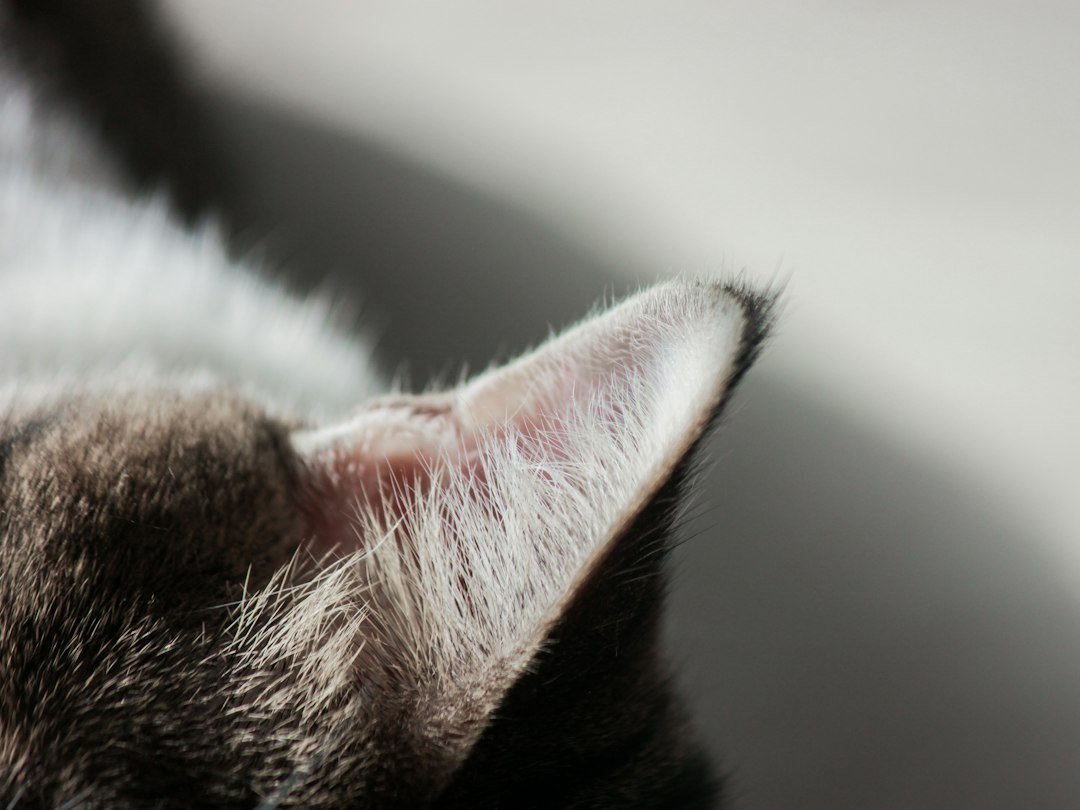
The best cat ear cleaner review for wax buildup starts with a gentle liquid cleanser, not the strongest formula on the shelf. For ordinary light brown wax in an otherwise comfortable ear, look for a cat-safe rinse that loosens debris without leaving a greasy coating or a sharp perfume smell. Keep it simple. A best cat ear cleaner review should also make clear that no bottle is a fix for painful, smelly, very dirty, or suddenly changed ears, because those signs need a veterinarian to assess the cause before more cleaning is attempted.
Best cat ear cleaner review for wax buildup
For most purchase decisions, the best choice is a non-medicated ear cleanser made for pets, with a liquid consistency that can reach the lower ear canal when used correctly and then be wiped away from the visible outer ear. Wax is normal. Cats produce it as part of the ear’s protective system, and a small amount of pale tan or light brown material may only need occasional wiping rather than frequent flushing. The goal is to remove excess, not create a perfectly spotless ear.
Product labels can make this category feel more complicated than it is. Some cleaners emphasize a drying action, some focus on breaking up wax and oil, and some are marketed as very gentle maintenance rinses. Each type has a place. A cat with normal-looking ears and a little surface wax may do well with the gentlest option, while a cat that repeatedly gets oily-looking buildup may need a cleanser designed to lift wax more effectively, provided the ears are not sore or inflamed.
What to look for before buying
Start with the formula type, then look at the bottle. A liquid rinse is generally more useful than pre-moistened wipes for wax buildup because wipes only reach the folds and entrance of the ear that you can see. Wipes still have a role. They can be handy for a small amount of debris on the ear flap or around the opening after a proper cleaning, but they cannot safely replace a rinse when wax sits farther inside.
Choose a cleanser clearly labeled for cats or for dogs and cats. This matters because cats are more sensitive to many concentrated fragrances and essential oils, and a product intended for a different species may not be an appropriate substitute. Read every label. Avoid improvising with hydrogen peroxide, alcohol, vinegar mixtures, human ear drops, cotton swabs pushed into the canal, or leftover prescription products unless a veterinarian has specifically directed their use for your cat.
A good bottle also makes the job less stressful. Look for a narrow, smooth nozzle that lets you place the tip just at the ear opening without pushing it down the canal, plus a cap that does not leak in a cupboard. Small details count. A large bottle may cost less per ounce, but it is poor value if the nozzle clogs, the cleanser expires before you use it, or your cat refuses the scent after the first attempt.
Fragrance deserves more attention than it gets in many reviews. A mild scent does not automatically mean a product is unsafe, but heavily perfumed formulas can be unpleasant for a cat with a far stronger sense of smell than ours. Less is usually easier. If your cat pulls away as soon as the bottle comes out, a low-odor liquid may be more practical than a scented formula that sounds appealing to people.
Look for plain instructions that say how much to use and whether the product should be wiped out after massage. Clear directions are useful because some products are designed as flushing cleansers, while others are intended mainly for light routine maintenance. Follow the label. If the instructions seem vague about cats, frequency, or contact with the ear canal, choose a product with more complete guidance or ask your veterinary clinic what they commonly recommend for routine cleaning.
Common cleanser types and their trade-offs
| Cleanser type | Best suited to | Main trade-off |
|---|---|---|
| Gentle maintenance liquid | Light routine wax and occasional cleaning | May be too mild for oily, stubborn buildup |
| Wax-lifting liquid cleanser | Visible wax that returns between routine cleanings | Can feel wetter or leave more residue if overused |
| Drying ear cleanser | Moist ears after bathing or humid conditions, when a veterinarian has not identified an ear problem | May be irritating for sensitive or already sore ears |
| Pre-moistened ear wipes | Ear flap folds and the visible entrance | Cannot clean deeper wax safely |
Gentle maintenance liquids are the safest starting point for many cats because they focus on loosening ordinary debris without a strong drying or degreasing effect. They are often the better buy for a cat whose ears are usually clean and only get a little wax now and then. Do not overclean. Repeated flushing can irritate the ear canal and may lead an owner to mistake product residue or normal wax for a problem that needs even more cleaning.
Wax-lifting cleansers are often marketed for wax buildup, and this is the category many shoppers mean when they search for an ear cleaner review. These liquids may contain ingredients that help dissolve oily debris so it can move outward when the base of the ear is gently massaged. They can be useful. The trade-off is that a stronger degreasing approach is not automatically better for a cat with dry, sensitive, red, or uncomfortable ears.
Drying formulas can be appealing if ears seem damp after a bath, outdoor rain, or grooming, but they are not a universal answer for visible wax. Dry does not mean clean. Some cats also dislike the sensation of these products more than a simple rinse, and a formula with a pronounced alcohol-like smell may make handling harder even if the label says it is gentle.
Wipes are often the least messy option, which makes them tempting for nervous cats and first-time owners. Their limitation is physical. A wipe can clean only where your finger can reach without entering the canal, so it works best for the pinna, the ear flap, and loose material near the opening rather than packed or recurring wax.
How well-known products compare on paper
Several widely available pet ear cleaners appear often in retailer listings and veterinary-clinic product discussions, but their best use depends on the cat and the reason for cleaning. Virbac EPIOTIC Advanced is commonly positioned as a routine ear cleanser with a low-irritation focus. Zymox Ear Cleanser is commonly sold as a non-medicated cleanser for regular use and debris removal. Both are liquid options. Check current packaging and instructions, since ingredient lists, bottle sizes, and regional availability can change.
Products marketed under veterinary supply brands may be easier to find through clinics or pet retailers, while general pet-store brands can cost less upfront. Price is only one part of the decision. A cheaper cleanser that leaves residue, has an odor your cat hates, or requires frequent replacement is not necessarily the better value, while a larger clinic-style bottle can be excessive for one indoor cat who needs cleaning only a few times a year.
Do not treat brand recognition as proof that a formula suits every ear. Individual tolerance varies. The useful comparison points are the current label, whether the formula is medicated or non-medicated, its intended use, scent level, bottle design, and whether your cat accepts the cleaning process without escalating fear or discomfort.
How to clean wax safely at home
Only clean an ear that looks comfortable and has no warning signs. Stop if your cat cries, snaps, suddenly jerks away in pain, or the ear looks swollen. A quiet room helps. Set out the cleanser, cotton rounds or soft gauze, and a towel before bringing your cat over, because searching for supplies mid-cleaning can turn a brief task into a stressful chase.
- Check the visible ear first. Lift the ear flap and look for light wax, redness, swelling, discharge, or a strong odor. If anything looks concerning, skip the cleanser and contact a veterinarian.
- Warm the bottle in your hands. Cold liquid can startle a cat. Do not heat the bottle in a microwave or hot water.
- Place the nozzle at the opening. Do not insert it down the ear canal. Apply the amount stated on the product label.
- Massage the base of the ear gently. Use your fingers at the lower outer ear for about 20 to 30 seconds. You may hear a soft squishing sound.
- Let your cat shake. This helps move loosened material outward. Then use gauze or a cotton round to wipe only what you can see.
- Reward and stop. Give a small treat, calm praise, or a favorite activity, then leave the ear alone until the next needed cleaning.
Never use a cotton swab to dig into the canal. It is risky. Swabs can push wax deeper, scratch delicate tissue, and give a false sense that you have reached the material safely. If wax remains beyond what you can wipe away, that is a reason to get guidance rather than trying a longer tool or adding repeated doses of cleanser.
How often wax buildup needs cleaning
There is no single schedule that suits every cat. Many healthy cats do not need routine ear cleaning at all, while some have ear shape, skin issues, grooming needs, or recurring wax that makes occasional cleaning useful. Watch the pattern. If you clean once and the ears stay comfortable and mostly clean for weeks or months, frequent maintenance is probably unnecessary.
A practical threshold is a change from your cat’s normal baseline. A little dry tan wax may be routine, but black crumbly debris, wet discharge, a bad smell, persistent head shaking, ear scratching, redness, head tilt, or pain during handling calls for a veterinary appointment rather than another round of over-the-counter cleanser. Those signs have several possible causes. A product review cannot tell you which one applies.
Kittens, senior cats, and cats with a history of ear trouble deserve extra caution. Their ears may be harder to assess at home, and a cat that has been treated for an ear condition before may have specific cleaning instructions from the veterinarian. Use those instructions first. Medication and routine cleaners are not interchangeable, even when both come in similar-looking squeeze bottles.
Choosing the right size and price point
Small bottles are often the sensible first purchase when you are testing a new cleanser, especially if your cat has never tolerated ear handling well. You can learn whether the scent, nozzle, and texture work for your routine without keeping a large bottle that goes unused. Start small. Once you know your cat accepts it and the product fits the intended cleaning frequency, a larger size may offer better value per ounce.
Prices vary by region, retailer, bottle size, and whether the product is sold through a clinic. Compare the price per ounce only after checking that you are comparing similar formula types, because a basic maintenance rinse and a specialized drying cleanser are not equivalent purchases. Also check the expiration date and storage instructions. A bargain is less useful if the product is close to expiry or has been stored in extreme heat.
The best cat ear cleaner for wax buildup is therefore usually the mildest non-medicated liquid that actually loosens your cat’s normal debris, comes in a manageable bottle, and does not make cleaning a battle. Use it sparingly. If the wax is frequent, dark, smelly, painful, or accompanied by behavior changes, pause the shopping comparison and arrange a veterinary examination instead.
Related posts
This post is for general informational purposes only and is not veterinary advice. Every cat is different — if you have concerns about your cat’s health or behavior, please consult a qualified veterinarian.