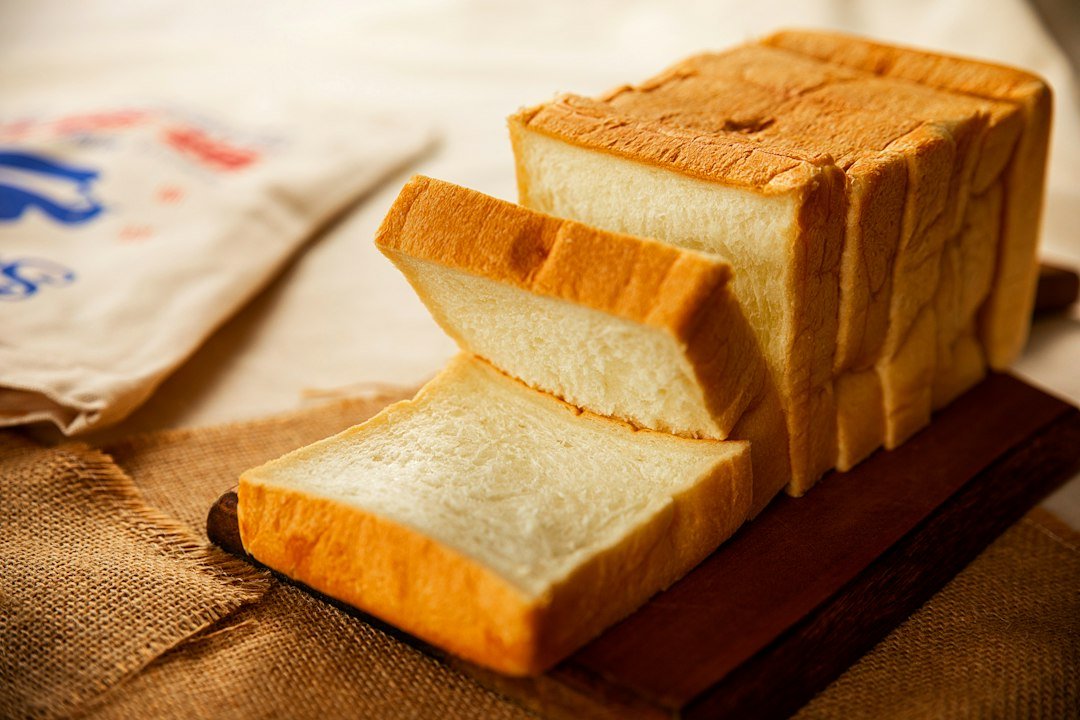
A breakfast crumb hits the floor: can cats eat bread safely? Usually, a tiny amount of plain, fully baked bread is unlikely to cause a problem for most adult cats. It is not toxic. Bread is still a poor regular treat because cats need a diet built around complete cat food and animal-based protein, while bread mainly adds starch and calories.
Can cats eat bread safely as a treat?
Plain bread can be an occasional nibble, not part of a cat’s usual menu. Keep it small. A piece about the size of your thumbnail, or one or two pea-sized bits, is plenty for an average adult cat on a rare occasion. The safest choice is plain white, wheat, or sourdough-style bread that is fully baked and has no toppings, spreads, fillings, or unusual ingredients.
Cats do not need bread for nutrition. Commercial cat food that is labeled complete and balanced is designed to provide the protein, fats, vitamins, and minerals a cat needs at its life stage. Bread does not replace any of that. Even a small extra snack can matter when a cat is prone to weight gain or already gets treats during the day.
Risks and portion size for cats
The main issue with a tiny piece of plain bread is usually its lack of value rather than immediate danger. It fills a small stomach without providing much useful nutrition. Some cats also get soft stool, vomiting, or gassiness after a new food. Stop offering it if you notice a change. Call your veterinarian if signs are severe, continue, or your cat seems unwell.
- Start with a crumb-sized test. Give one small piece of plain, baked bread when your cat is otherwise acting normally. Wait until the next day before offering any more. Go slowly.
- Keep the total portion tiny. For a typical adult cat, stay around one or two pea-sized pieces. Do not offer a whole crust, half a slice, or a sandwich corner.
- Count it as a treat. If bread is offered, skip other extras that day. Treats should make up only a small part of a cat’s overall food intake, so their regular diet remains the priority.
- Make it infrequent. Think of bread as a rare curiosity, not a daily routine. A cat that begs for it may simply enjoy the smell or texture.
Portion size should be smaller for a kitten or a small cat. Kittens need nutrient-dense food for growth, so bread is best avoided unless a veterinarian has given individual feeding advice. Cats on a prescribed diet should not get bread or other extras without checking first. Their food plan may have a specific purpose.
Bread types to skip
Read the ingredient list when bread is not plain. A bakery item can contain far more than flour, water, yeast, and salt. Some added foods can be unsafe for cats, while rich ingredients can upset their stomach. When you cannot confirm what is in it, do not share it. Choose a cat treat instead.
| Bread or dough | Offer it? | Why |
|---|---|---|
| Plain, fully baked bread | Only a tiny, occasional piece | Usually low risk in a small amount, but adds little nutrition. |
| Raw yeast dough | No | Dough can expand in the stomach and ferment, producing alcohol. Treat this as urgent. |
| Garlic or onion bread | No | Garlic and onion ingredients are not safe additions for cats. |
| Raisin or grape bread | No | Raisins and grapes are best avoided because they can cause serious problems in pets. |
| Sweet, chocolate, or heavily frosted bread | No | These products may contain unsafe ingredients and are often high in sugar and fat. |
| Butter, cheese, or seasoned toast | Best skipped | Rich toppings and seasonings add avoidable digestive and calorie concerns. |
Why raw dough needs fast action
Raw yeast dough is very different from baked bread. Do not wait for symptoms. Once swallowed, dough may continue to rise in the warm stomach, and fermentation can create alcohol. Both effects can become serious. If your cat eats raw bread dough, contact an emergency veterinarian or local animal poison service promptly, even if the amount seems small.
Keep rising dough covered and out of reach during baking. Check counters, bins, and compost containers as well. Cats can be surprisingly curious around food preparation, especially if butter, milk, or meat smells are nearby. A closed cupboard is safer than hoping the bowl stays unnoticed.
A better way to handle bread begging
If your cat appears whenever you make toast, avoid rewarding the behavior with a bite every time. Consistency helps. Give attention away from the kitchen, offer a few pieces of their usual kibble in a puzzle toy, or reserve a tiny cat-appropriate treat for another moment. The goal is to keep bread from becoming an expected daily snack.
- Put bread away before sitting down to eat.
- Ask guests not to hand food to your cat.
- Use a treat from your cat’s normal food allowance if you want to share a snack moment.
- Wipe crumbs and spreads from the table after meals.
For a cat that has already eaten a small piece of plain baked bread, monitor normally and do not offer more. Check the packaging or recipe if it was flavored bread. If it contained garlic, onion, raisins, chocolate, raw dough, or an unfamiliar sweetener, contact a veterinarian for guidance. Bring the ingredient information if you can. It saves time.
Frequently asked questions
Can cats eat white bread?
Yes, a tiny piece of plain, fully baked white bread is generally okay as an occasional treat for many adult cats. Keep it very small. White bread has little nutritional benefit, so it should not become a regular snack.
Can cats eat whole wheat bread?
Plain whole wheat bread is not automatically better for cats than white bread. It is still mostly a human food made with starch. Check for seeds, sweeteners, flavorings, or dried fruit before offering any piece.
Can cats eat toast?
Plain toast without butter, jam, garlic, or other toppings is similar to plain bread in a very small amount. Let it cool first. Hard, overly crisp pieces may be less comfortable for some cats to chew.
What if my cat ate a whole slice of bread?
A whole plain slice is more than a cat needs, but it is often more of a calorie and stomach-upset concern than an emergency. Watch for vomiting, diarrhea, unusual tiredness, or discomfort. Contact a veterinarian promptly if the bread had risky ingredients, was raw dough, or your cat seems unwell.
Can cats eat bread every day?
Daily bread is not a good habit. Small extras can quietly add up, especially for an indoor cat with limited activity. Save bread for a rare tiny taste, and make your cat’s regular complete food the main event.
Related posts
This post is for general informational purposes only and is not veterinary advice. Every cat is different — if you have concerns about your cat’s health or behavior, please consult a qualified veterinarian.