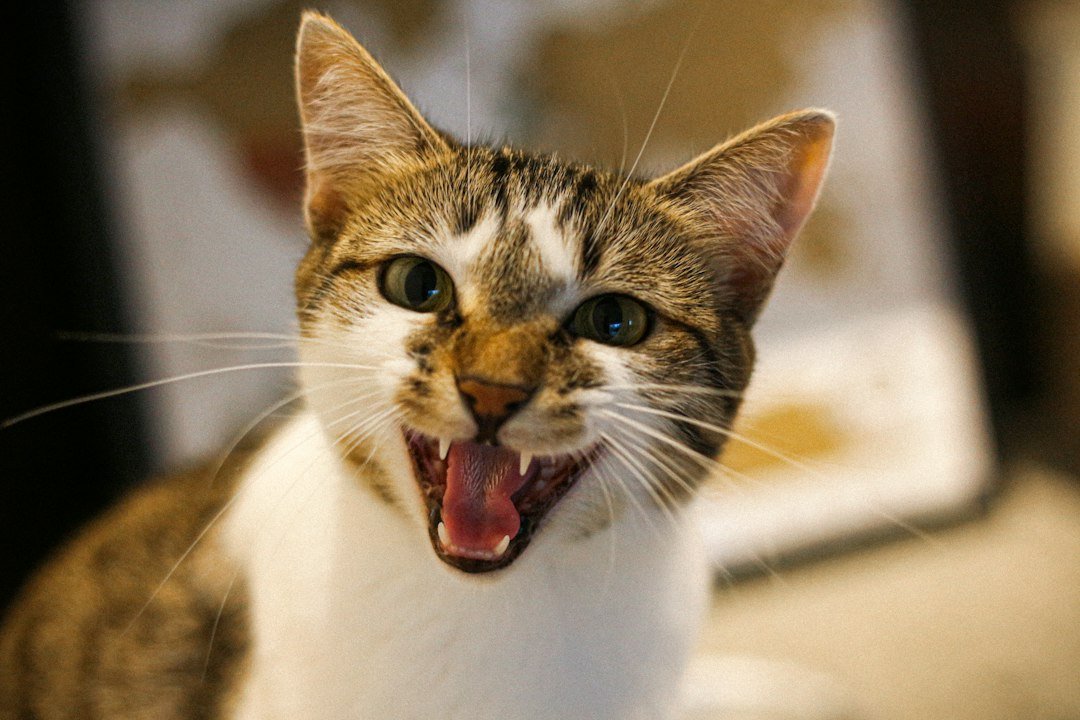
Cat pale gums causes range from temporary stress or natural pigment patterns to serious problems involving blood loss, circulation, or red blood cells. Treat sudden pallor seriously. If your cat’s gums are noticeably paler than usual, especially with weakness, fast breathing, collapse, vomiting, bleeding, or a painful swollen belly, contact an emergency veterinarian right away.
Cat pale gums causes can vary
Healthy cat gums are often light pink, similar to bubblegum, although the exact shade differs between cats. Check your cat’s normal color. Some cats have dark brown or black pigment on parts of their gums, so look at a nearby unpigmented patch rather than judging the darkest area. A cat that has always had pale pink gums may be normal, while gums that have changed from pink to pale cream, gray, or white deserve attention.
Pale gums can happen when there are fewer red blood cells carrying oxygen around the body. This is often called anemia. Anemia is a finding rather than a single disease, and it can be linked with blood loss, parasites, immune-related problems, long-term illness, toxin exposure, or conditions that affect blood cell production. Cats often hide illness well, so gum color may be one of several subtle changes an owner notices first.
Blood loss is one possible cause. It may be visible, such as blood in vomit, stool, urine, or an open wound, but internal bleeding is not always obvious at home. A cat that has been hit, fallen, fought with another animal, or recently had surgery needs prompt veterinary advice if pale gums appear. Keep your cat quiet. Internal injuries can worsen even when there is no external cut.
Fleas can matter more than many people realize, particularly for kittens, small cats, older cats, or cats with a heavy infestation. Fleas feed on blood. A few flea dirt specks do not automatically mean a cat has dangerous blood loss, but a kitten with fleas, pale gums, poor appetite, and low energy should be seen urgently. Do not wait for the gums to become white.
Circulation problems can also make gums look pale. Shock is one emergency concern, and it can follow severe injury, major blood loss, a serious allergic reaction, severe illness, or intense pain. A cat in shock may feel cool at the ears or paws, seem very quiet, breathe rapidly, have a weak or fast pulse, or collapse. This needs emergency care now.
Heart and breathing problems can change gum color as well. Pale gums may occur with poor circulation, while blue, gray, or purple gums can suggest that the body is not getting enough oxygen. Blue gums are an emergency. Do not spend time repeatedly checking the mouth if your cat is struggling to breathe, breathing with an open mouth, stretching out the neck, or unable to settle.
Severe dehydration usually causes gums to feel dry or sticky rather than simply pale, but a very unwell cat can have both poor hydration and abnormal gum color. Look for other clues. These include little interest in water, repeated vomiting, diarrhea, reduced urination, sunken-looking eyes, or marked tiredness. Cats with ongoing fluid loss can decline quickly, especially kittens and senior cats.
Some medications, toxins, and illnesses can affect red blood cells or clotting. This is one reason not to give a cat human pain medicine, iron supplements, aspirin, or leftover medication without veterinary direction. Even products that seem harmless can be dangerous at the wrong dose. Bring the package or take a clear photo of it if accidental exposure may have happened.
Emergency warning signs to watch for
Pale gums alone are reason to call a veterinary clinic for guidance, but pale gums plus signs of poor circulation, breathing trouble, active bleeding, or collapse should be treated as an emergency. Trust a sudden change. Your cat does not need to show every sign on this list before you seek urgent help.
- White, gray, blue, or purple gums, especially if this color is new.
- Collapse, inability to stand, extreme weakness, or unusual unresponsiveness.
- Open-mouth breathing, labored breathing, very fast breathing at rest, or a blue-gray tongue.
- Active bleeding from the nose, mouth, wound, rectum, or urine.
- A swollen, tense, or painful abdomen, particularly after an injury or possible fall.
- Vomiting blood or black, tar-like stool, which can indicate digested blood.
- Cold paws or ears, rapid heartbeat, or severe agitation followed by unusual quietness.
- Known exposure to a toxin, rodent poison, human medication, or an unsafe flea product.
If any of these signs are present, place your cat in a carrier with a towel and go to an emergency veterinary service or call one while you travel. Keep the carrier level. Avoid giving food, water, supplements, or medication unless a veterinarian tells you to do so, because a weak cat may vomit or need treatment that requires an empty stomach.
How to check your cat’s gums safely
Check gum color only when your cat is calm enough for gentle handling. Do not force the mouth open. A frightened cat may bite, and stress can make the gums look temporarily lighter or brighter than usual. If your cat resists strongly, stop and use the other signs you can observe, such as breathing, posture, energy, and appetite.
- Choose a quiet room with natural light or a bright indoor light.
- Gently lift the upper lip at the side of the mouth.
- Look at the gum above a canine tooth or another area without dark pigment.
- Notice the color, moisture, swelling, sores, blood, or unusual odor.
- Compare it with a photo or memory of your cat’s usual gum color if you have one.
You may see people mention a capillary refill test, where a person gently presses a pink gum area and watches color return. This check can be difficult to interpret at home. Lighting, pigment, a struggling cat, and cold temperature can all affect what you see, so do not use a single gum-press result to decide that your cat is safe.
Take one well-lit photo if your cat will tolerate it. It can help show a clinic what you saw, especially if the gums look different by the time you arrive. Do not delay care for photos. A brief note about when the color changed, whether your cat ate, used the litter box, vomited, or had possible trauma can also help the veterinary team.
What a veterinarian may need to check
A veterinarian will usually start with your cat’s temperature, heart rate, breathing, hydration, gum color, and overall alertness. Speed matters. Depending on the situation, the clinic may recommend blood tests to check red blood cells and organ function, testing for parasites or infections, imaging for injury or internal bleeding, blood pressure checks, or other tests based on your cat’s history and exam.
The details you provide can narrow down the next steps. Mention recent falls, outdoor access, flea exposure, fights, surgery, new medications, possible toxin contact, changes in stool or urine, and any recent loss of appetite. Even small details count. A cat that has been hiding under the bed for two days may have been unwell longer than the pale gums suggest.
Treatment depends on the cause and how stable the cat is when examined. Some cats need fluids, oxygen support, parasite treatment, pain control, testing, monitoring, or other care chosen by the veterinarian. Cats with significant anemia or blood loss may need more intensive treatment. There is no safe home remedy that can correct a serious cause of pale gums.
What to do while arranging care
Keep your cat indoors, quiet, and warm without overheating. Use a soft blanket. If the cat is alert and resting normally, keep the carrier nearby and reduce handling. If there is an obvious external wound that is bleeding, apply gentle steady pressure with clean gauze or a clean cloth only if your cat allows it and you can do so safely.
Do not press on a swollen belly, probe the mouth, pull out an object stuck in the throat, or try to make a cat vomit. Do not use a tourniquet. If you suspect poison, bring the product container or label to the clinic, but do not wait to identify every ingredient before calling for help.
For a cat that seems mildly pale but is eating, walking, breathing normally, and acting like itself, call your regular veterinarian the same day for advice. Watch closely. If the gums become whiter, the cat becomes tired or wobbly, breathing changes, or you see bleeding, move from routine advice to emergency care. Gum color is only one clue, but a new change is worth taking seriously.
Keeping a useful baseline at home
It helps to know what normal looks like before there is a problem. When your cat is healthy and relaxed, take a quick photo of the gums in good light and note whether there is natural pigment. This makes future changes easier to spot. Regular flea prevention recommended by your veterinarian and prompt care after injuries can also reduce some preventable risks.
Pale gums are not always caused by the same thing, and no online guide can tell you why an individual cat has them. The pattern around the gum color matters. Sudden change, weakness, breathing difficulty, bleeding, pain, or collapse raises the urgency, while a cat with a lifelong pale-pink shade and normal behavior may simply have that natural color. When in doubt, call a veterinary clinic and describe exactly what you see.
Related posts
This post is for general informational purposes only and is not veterinary advice. Every cat is different — if you have concerns about your cat’s health or behavior, please consult a qualified veterinarian.