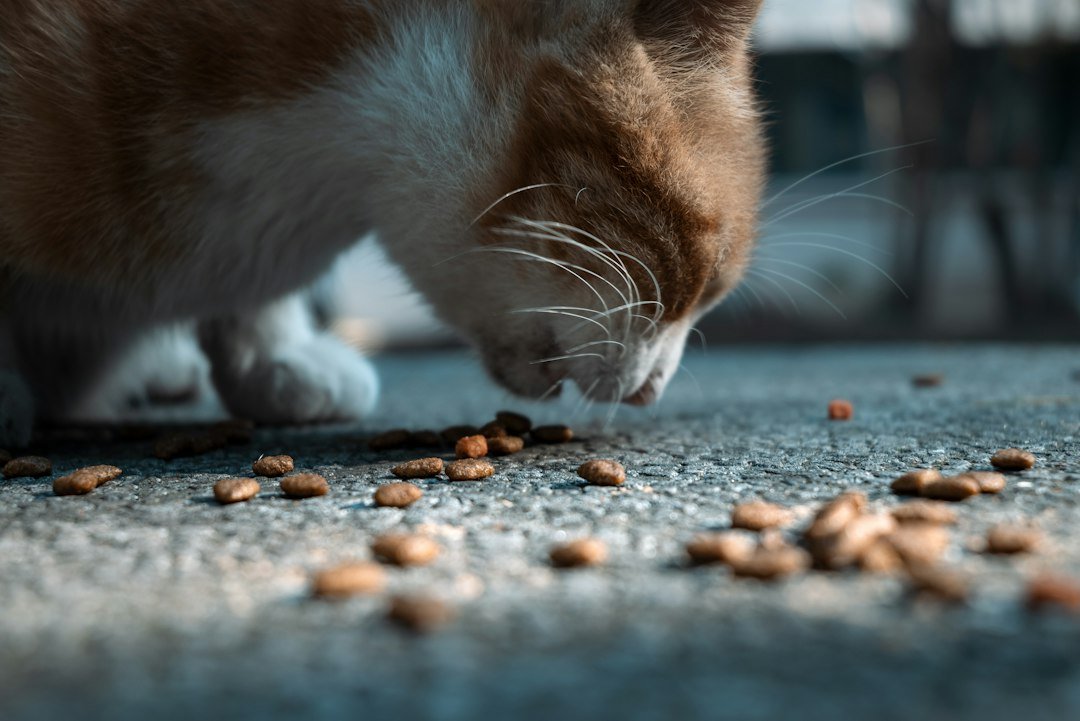
Start with the label. The best low calorie cat treats for weight control are the ones you can count accurately before they reach the treat jar, because even a few extra calories each day can work against a carefully measured feeding plan for an overweight cat. Check the calories per treat first. Then decide how many treats fit your cat’s daily food allowance.
A low-calorie claim alone does not tell you much. Some treats are tiny, so the calorie number per piece looks appealing even though a cat may eat many pieces at once, while others are larger but easy to break into several rewards. Portion size matters. Look for a calorie statement in kilocalories, often written as kcal, per treat or per package.
For many cats on a weight-control plan, treats are best kept at no more than about 10 percent of daily calories, unless a veterinarian has given you a different target. Keep it simple. If your cat’s daily calorie allowance is 200 kcal, that leaves roughly 20 kcal for all treats, including dental treats, food puzzle rewards, and bites offered while you prepare meals.
That 20 kcal can disappear quickly. Ten treats at 2 kcal each use the whole treat budget, while twenty 1 kcal treats may give you more chances to reward behavior without changing the day’s total. Count every extra. A little chicken from your dinner plate, a squeeze-up tube, and a few tossed treats all belong in the same budget.
Treat categories to consider for weight control
When shopping for the best low calorie cat treats for weight control, prioritize the label over the front-of-package marketing. A product described as natural, grain-free, or high protein may still be too calorie-dense for frequent use. Turn the bag over. The calorie line and suggested serving amount tell you far more.
Single-ingredient freeze-dried treats
Freeze-dried chicken, turkey, fish, or other single-protein treats are popular because their ingredient lists are usually straightforward. They can be a practical option for overweight cats when each piece is small and the pieces crumble easily into tiny rewards. Break them up. One cube may become four training treats.
The trade-off is density. Removing moisture makes food lightweight and shelf-stable, but it also means a small amount can contain more energy than it appears to. Check calories per piece or per gram. If the package only gives a serving size, weigh that serving once at home and see how many pieces it actually contains.
Small crunchy training treats
Tiny crunchy treats can make counting easy. Some products contain only a small number of calories per piece, though formulas and package sizes change, so verify the current label before buying. Small is useful. It lets you reward often without offering a large bite each time.
Crunchy treats are not necessarily better for teeth than regular food, and they should not replace dental care recommended by your veterinary team. Their main benefit in a weight-control routine is portion visibility. You can count five pieces into a dish instead of pouring freely from the bag.
Watch the serving suggestion. A package may recommend a generous daily amount for an average adult cat, which may not suit a cat who needs a calorie-controlled plan. Use your own calorie budget. The package recommendation is not a personal feeding prescription.
Dental treats with stated calories
Dental treats can be convenient if your cat enjoys them and you use the manufacturer’s feeding directions carefully. Many are modest in calories per piece, but the suggested number of pieces per day can still create a meaningful calorie load for a smaller cat. They count. Treat them as part of the daily total.
Look for a product with a specific calorie figure per treat and a size appropriate for cats, rather than assuming any crunchy product has dental value. Dental claims and calorie content are separate questions. If weight control is the priority, the lower-calorie option may be the better fit even when another product has a more appealing dental message.
Wet treat tubes and lickable rewards
Lickable treats can be useful for medication routines, nail trims, carrier training, or calm handling practice because they allow many small licks over several minutes. Use a measured amount. Squeezing directly from the packet makes it easy to lose track.
These products vary widely in calories per tube. Some are light enough to split over several sessions, while others are closer to a small snack, especially richer recipes with added cream, cheese, or fish. Read the whole packet. A tube is not automatically one appropriate serving for an overweight cat.
Try putting a measured teaspoon on a lick mat or small plate rather than offering the entire tube. This can slow the experience and lets you refrigerate the remaining portion according to the package directions. Food safety matters. Discard leftovers if the manufacturer says not to store them.
Veterinary weight-management treats
Some veterinary diet lines include treats designed to fit particular weight-management formulas. These may be useful when a veterinarian has recommended a matching therapeutic diet, since the calories and ingredients can be considered alongside that diet. Ask first. Some therapeutic foods have specific feeding goals.
These treats are not automatically required for weight loss. They can cost more than ordinary treats, and the best value may be using a small weighed portion of your cat’s approved daily kibble or wet food as rewards instead. Your cat already knows that food. In many homes, that makes the routine easier to maintain.
How to compare packages in the store
Use a quick three-step check before buying a new treat. It takes less than a minute once you know what you are looking for. Bring your phone calculator. Labels can be surprisingly hard to compare in your head.
- Find kcal per treat or per package. If the package lists only a serving, count or weigh that serving at home before making it part of the routine.
- Compare the treat to your daily budget. Divide your treat allowance by calories per piece to see the maximum number of pieces for the day.
- Check whether it can be portioned. A treat that breaks cleanly into small pieces often gives better value for training than a larger treat with the same calorie count.
Here is a practical example. If your cat has a 15 kcal daily treat budget and a bag contains 1.5 kcal pieces, the maximum is ten pieces, but you might set aside six or seven and leave room for a food puzzle reward later. Plan ahead. The jar should hold the day’s portion, not the whole bag.
Do not rely on volume measures such as a handful. Hands differ, treat shapes differ, and a generous handful can be several servings. A small kitchen scale helps with loose treats, especially freeze-dried products. It is useful. Weighing food is often more consistent than estimating by sight.
Realistic trade-offs for overweight cats
Very low-calorie treats can be less exciting to some cats. That does not mean you need to switch to richer treats right away. Make the reward matter by changing how you offer it, such as tossing a piece down the hall, placing it in a paper bag puzzle, or saving it for a situation your cat finds difficult.
Higher-value treats may still have a place. Reserve them for rare jobs where you need your cat’s full attention, such as carrier practice or cooperative care, then use lower-calorie rewards for everyday moments. Keep the amount tiny. A pea-sized taste can be enough for many cats.
Using regular food as treats saves calories only if you remove that food from the meal portion. This is a common missed step. If you scoop out ten kibbles in the morning for training, put the rest of the measured daily ration in the food bowl and do not refill it later.
A cat who seems constantly hungry may need the plan reviewed rather than more treats added. Meal timing, food moisture, environmental enrichment, and the overall diet can affect how satisfied a cat appears between meals. Weight loss should be gradual. Contact a veterinarian promptly if your cat stops eating or has a sudden change in appetite, thirst, litter box habits, or energy.
Ways to make fewer treats feel rewarding
Reward frequency often matters more than reward size. Give one tiny piece after a behavior you want repeated, then use praise, play, or access to something your cat enjoys as the next reward when appropriate. Keep it brief. Cats usually respond best to immediate feedback.
Scatter a measured portion of dry food or treats in a snuffle mat, puzzle feeder, or safe homemade paper-ball game. The activity can slow down a snack that would otherwise disappear in seconds. Supervise new enrichment toys. Remove anything your cat chews apart or swallows.
For cats who prefer wet food, freeze small measured portions of their regular canned food in a silicone mold, then offer one thawed piece as a reward. Check the texture first. Some cats dislike cold food, and the food should be handled and stored safely.
Keep everyone in the household on the same plan. One person may give “just two” treats several times a day without realizing someone else has already used the full allowance. Put the daily portion in one labeled container. When it is empty, treats are done for the day.
FAQ
How many treats can an overweight cat have each day?
It depends on your cat’s total calorie target and the calories in each treat. A common starting guideline is keeping treats under about 10 percent of daily calories, but a veterinarian may recommend a lower limit for a specific weight-loss plan. Do the math. Count food rewards and extras together.
Are freeze-dried treats good for overweight cats?
They can be, especially when you break them into small pieces and count them carefully. Their short ingredient lists appeal to many owners, but they are often calorie-dense for their size because moisture has been removed. Small portions matter. Compare kcal per piece before choosing a bag.
Can I use my cat’s regular kibble as a treat?
Yes, if you take those kibbles out of the measured daily ration rather than adding them on top. This is often one of the easiest and least expensive options for a cat already eating dry food. Measure first. Store the day’s reward portion separately.
Are lickable treats too high in calories for weight control?
Some fit well and some do not. Check calories per tube, then use only the amount that fits your cat’s treat budget; a tube can often be divided across more than one reward session if the package storage directions allow it. Portion it out. Avoid guessing while squeezing.
What if my cat will only work for high-calorie treats?
Use the richer treat in a very tiny amount for the hardest tasks, then test whether your cat accepts a lower-calorie reward in easier situations. You can also use a favorite toy, a short play session, or a chance to explore a safe room as a non-food reward. Start small. Consistency usually matters more than a large treat.
Related posts
This post is for general informational purposes only and is not veterinary advice. Every cat is different — if you have concerns about your cat’s health or behavior, please consult a qualified veterinarian.