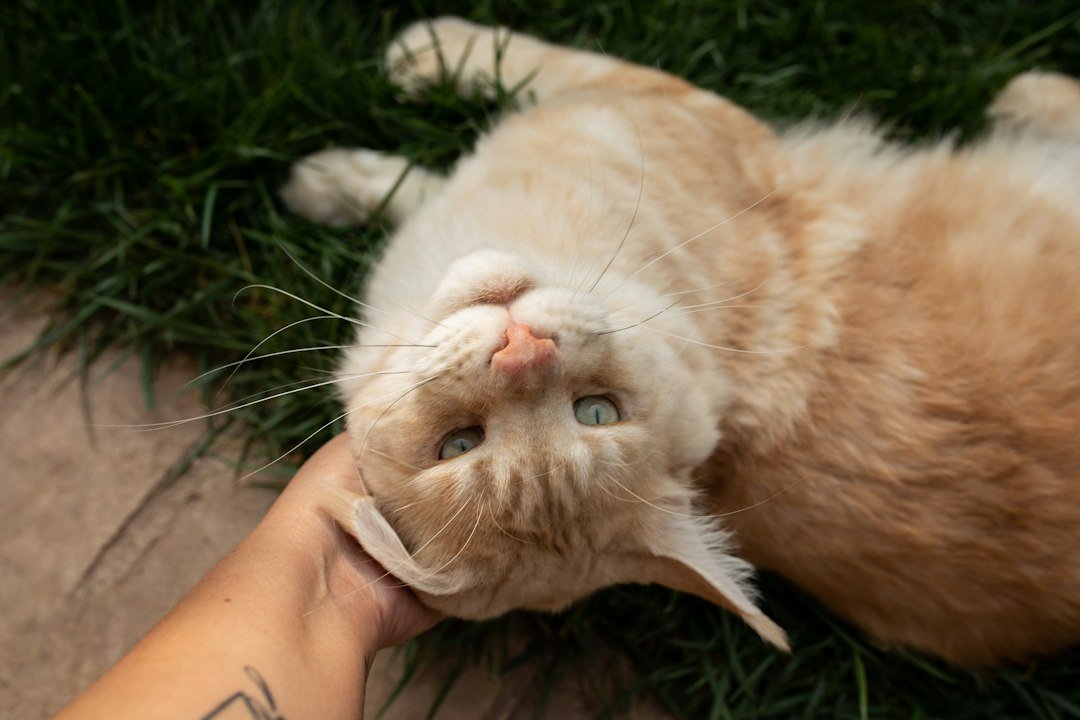
Your cat used to nap alone on the bedroom windowsill. Now she follows you from the kitchen to the bathroom to the home office. Why is my cat suddenly clingy all of a sudden? The short answer: something has changed—either physically, emotionally, or in your daily rhythm. Why is my cat suddenly clingy is one of the most honest questions cat owners ask, and it deserves a real answer instead of vague reassurance.
Quick Reference: Common Causes of Sudden Clingy Behavior
| Cause Category | Signs to Notice | Action to Take | Timeline |
|---|---|---|---|
| Illness or Pain | Lethargy, appetite loss, hiding between episodes, excessive meowing | Schedule vet visit within 24–48 hours | Urgent if paired with other symptoms |
| Stress from Routine Changes | Neediness around specific times, mild appetite change, occasional hiding | Identify the trigger, reestablish predictability | Can resolve within 2–3 weeks |
| Environmental Stress | Clinginess intensifies during certain sounds or times of day | Introduce calming pheromone diffusers, create safe zones | Gradual improvement over weeks |
| Aging or Senior Changes | Increased vocalization, follows you persistently, seems confused occasionally | Increase vet checkups to twice yearly, review medications | Ongoing management phase |
What Actually Triggers Why Is My Cat Suddenly Clingy Behavior
I’ve lived with cats for years, and I can tell you the difference between normal bonding and the kind of neediness that signals something is off. Your cat isn’t trying to be annoying. She’s communicating distress through the only language she has: proximity.
Illness is the first suspect. Cats hide pain masterfully until they can’t anymore. By the time your cat is visibly desperate for your company, her body is already struggling with something—a urinary tract infection, hyperthyroidism, dental disease, or early kidney issues. Most people don’t realize that sudden clinginess often appears before obvious physical symptoms do. She’s seeking you out because you represent safety and comfort when her body feels wrong.
Stress and routine disruption run a close second. You’d think cats thrive on unpredictability—they usually don’t. A new pet, a schedule shift where you’re suddenly working from home instead of the office, renovations, someone moving out, or even rearranged furniture can trigger anxiety that manifests as neediness. Your cat knows the rhythm of your days. When that rhythm breaks, she attaches herself to what’s still predictable: you.
Environmental stressors matter too. Loud construction outside, a new neighbor’s cat appearing in the window, changes in temperature, or even a shift in your own stress levels can make your cat more dependent on you for reassurance.
Checklist: Before You Call the Vet
- Check for physical changes: look inside her ears for redness, inspect her mouth for inflamed gums, feel her body for lumps or sensitivity when you touch her sides and belly
- Monitor her litter box behavior: count visits, note urine volume or frequency, watch for straining or blood—urinary issues are silent killers that show up as clinginess first
- Observe eating and drinking patterns: has food intake decreased by even 20 percent, is she drinking more water than usual, has her weight shifted visibly
- Note any accidents outside the box: even one incident outside the litter box is worth discussing with your vet because it often signals stress or medical issues
- Time her clinginess: is she clingy all day or only at specific hours, does it worsen when you’re on your phone or working, does bedtime routine affect it
- Review household changes from the last 4–6 weeks: moved furniture, changed your work hours, introduced a new person, added a pet, renovated a room—write down what shifted
- Check her energy level: compare her activity now to three months ago, is she sleeping more, moving slower, or jumping onto high spaces less frequently
How to Determine If Stress or Illness Is the Real Issue
Step one, document her behavior. Write down when the clinginess started and what happened in your household in the days before. Did you change her food, start a new medication, return to the office after working from home, or have guests over more often?
Step two, isolate the pattern. For three days, track when she follows you most intensely. Morning, evening, after loud noises, when you’re on work calls, or when you’re about to leave? Stress clinginess tends to cluster around specific triggers. Illness clinginess is usually constant.
Step three, assess physical signs honestly. Run your hands along her spine and ribs. Can you feel them clearly or does she feel softer? Check her gums—are they pink or pale? Look at her coat—is it matted or dull compared to last month?
Step four, schedule your vet appointment. Here’s where most cat owners give up: they assume it’s behavioral and wait. Don’t wait. A vet visit rules out the medical issues that feel like behavior problems. Blood work, urinalysis, and a physical exam take 30 minutes and cost a fraction of what treating advanced illness will.
Step five, implement stress-reduction measures immediately while you wait for the appointment. This is the part that actually matters.
Practical Steps to Reduce Clinginess While You Investigate
Your goal is to acknowledge her need for security without reinforcing dependent behavior.
- Set a scheduled contact routine: spend 10–15 minutes of focused time with her at the same times every day—morning before work, evening after work, or bedtime—so she knows when she’ll have your full attention and doesn’t need to demand it all day
- Create multiple safe zones: set up three different spaces around your home with a water bowl, hiding spot, and window access so she has options instead of trailing you
- Use a pheromone diffuser: a Feliway Classic device releases synthetic feline pheromones that reduce stress in cats and can ease clingy behavior within 2–3 weeks, place it in the room where she spends most time
- Introduce enrichment activities: puzzle feeders, window perches, and interactive toys give her something to do besides follow you, rotate toys every few days to maintain interest
- Maintain her routine: feed her at the exact same times every day, keep her litter box location consistent, hold bedtime rituals steady—predictability is anti-anxiety medicine for cats
- Respect her signals: if she wants space, give it to her; if she wants contact, keep it calm and brief; forcing interaction when she’s anxious makes it worse
My Picks for This
- Feliway Classic Diffuser: Releases calming synthetic pheromones that reduce stress-related neediness and anxiety without sedation, effective for most cats within 2–3 weeks of continuous use.
- Catit Flower Fountain: Encourages hydration and gives clingy cats a focused activity, the gentle water flow attracts many cats’ interest and provides mental stimulation during times you’re busy.
- Kong Kickeroo Toy: Offers targeted play that releases energy and frustration, reducing the motivation to follow you around all day and providing the interactive engagement some anxious cats desperately need.
- Royal Canin Indoor Adult: If stress is affecting her eating, a highly palatable formula supports digestion and skin health while meeting the specific needs of indoor cats whose routines have shifted.
- Litter-Robot 4: Removes a major stressor from your cat’s day by keeping the litter box perfectly clean with minimal human interaction, some clingy cats settle down immediately when bathroom anxiety is removed.
Frequently Asked Questions (FAQ)
Q1. Should I see a vet right away if why is my cat suddenly clingy behavior just started this week?
Yes. Schedule an appointment within the next 7–10 days even if she seems otherwise healthy. Sudden behavioral changes often precede obvious physical symptoms by days or weeks. Your vet can rule out medical causes with a basic physical exam and bloodwork if needed.
Q2. Can anxiety alone cause a cat to be clingy, or is it always something serious?
Anxiety alone can definitely cause clingy behavior. Routine changes, household stress, or environmental triggers are real causes. However, the only way to know anxiety is the actual problem—not a symptom of something medical—is to get a vet’s assessment first. Never self-diagnose behavioral issues without ruling out illness.
Q3. How long does it usually take for a cat to adjust to routine changes and stop being clingy?
Most cats adjust within 2–4 weeks if the change is stable and predictable. If the change is still happening (like ongoing renovations), the neediness usually persists. Consistency and reassurance speed the process. Senior cats sometimes take longer.
Q4. Is giving my clingy cat more attention actually making it worse?
Not exactly. Responding to her needs shows her she’s secure. But constant on-demand attention can create a cycle where she escalates the behavior to get access to you. Set boundaries with scheduled playtime and cuddle windows instead of being available 24/7.
Q5. What’s the difference between normal bonding and clingy behavior that signals a problem?
Normal bonding is relaxed—she chooses your company sometimes and is comfortable sleeping alone. Clingy behavior is anxious—she follows you obsessively, struggles when you close a door, or panics if you’re out of sight. Clingy behavior is compulsive; normal bonding is optional on her end.
Q6. If my cat has always been clingy, why is my cat suddenly clingy more intense now?
An escalation in an already-needy cat points to something new: illness, stress, or fear. Even naturally social cats have a baseline level of neediness. A sudden spike above that baseline is worth investigating medically and environmentally.
This post is for informational and general educational purposes only. It does not constitute professional veterinary advice, medical diagnosis, nutritional guidance, or behavioral therapy. Always consult a licensed veterinarian before making decisions about your cat’s health, diet, medication, or treatment—especially if your cat is showing signs of illness, distress, or behavioral changes. Product recommendations on this site are based on general research and owner experience; individual results may vary depending on your cat’s breed, age, weight, and health condition. Prices, product availability, formulations, and specifications are subject to change without notice—always verify current details directly with the manufacturer or retailer before purchasing. Feeding guidelines, portion sizes, and nutritional information referenced in this post are general estimates only and should not replace personalized advice from your veterinarian or a certified feline nutritionist. If your cat is pregnant, nursing, underweight, overweight, or managing a chronic condition, seek professional guidance before changing their diet or care routine. This site may contain affiliate links—if you purchase through our links, we may earn a small commission at no extra cost to you. We only reference products we believe may be genuinely useful, but we encourage you to do your own research before buying.