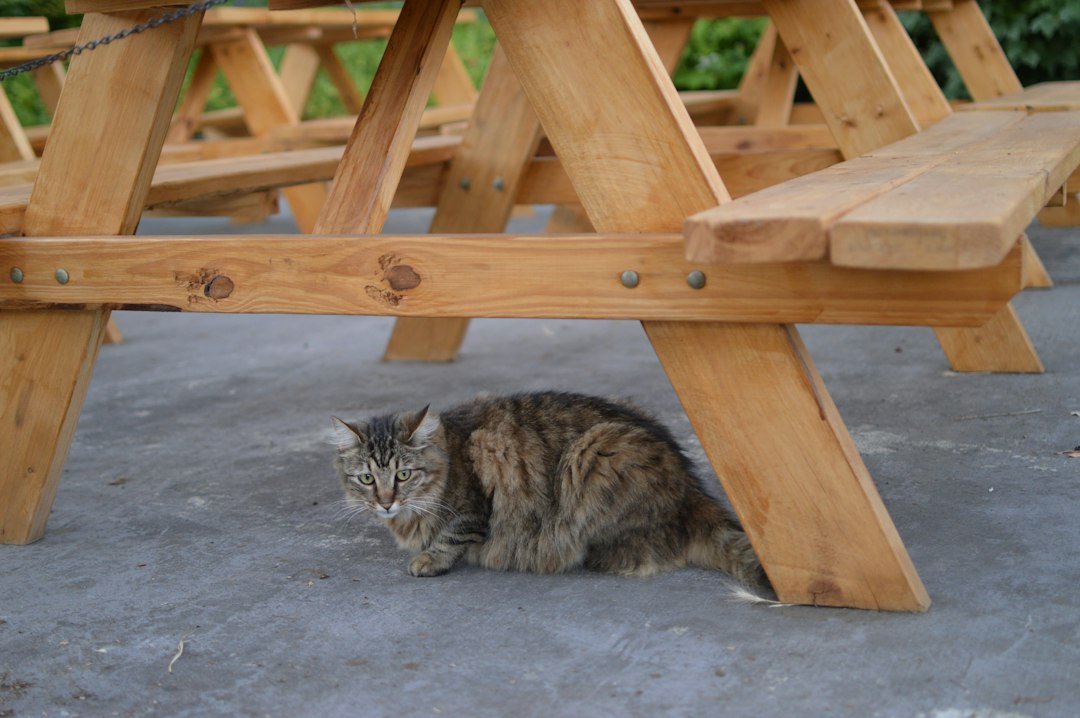
Your cat spends most of their day tucked behind the couch, under the bed, or in a closet. You’re wondering why does my cat hide all day, and whether you should be concerned. The truth is straightforward: hiding happens for one of three core reasons — stress, illness, or personality.
Why Does My Cat Hide All Day: The Three Main Causes
I’ve lived with cats for years, and I’ve seen hiding mean different things depending on the cat. Some hide because they’re naturally introverted. Others hide because something in their environment has shifted. Still others hide because their body is telling them something’s wrong. Understanding which applies to your cat changes everything about how you respond.
| Cause | Signs to Notice | Timeline | Action |
|---|---|---|---|
| Stress or fear | New pets, loud noises, home changes, schedule shifts | Days to weeks | Remove triggers, create safe spaces |
| Illness or pain | Loss of appetite, changes in bathroom habits, lethargy | Sudden onset | Contact your vet immediately |
| Personality or breed tendency | Still eats well, uses litter box normally, appears healthy | Lifelong pattern | Accept and accommodate their nature |
When Hiding Signals a Health Problem
This is where you need to act fast. Cats hide when they’re ill because it’s a survival instinct — in the wild, a sick cat becomes a target. Most people don’t realize that sudden changes in hiding behavior are one of the earliest warning signs something’s medically wrong.
Watch closely.
If your cat suddenly hides more than usual and you also notice any of these, contact your vet without delay: refusing food for more than 24 hours, vomiting, diarrhea, excessive urination or drinking, difficulty breathing, or unusual odors from the mouth or body. Why does my cat hide all day now, when they never did before? That question deserves a professional answer. Your vet can run bloodwork, check for urinary issues, assess dental health, and rule out hyperthyroidism or other common senior cat conditions.
Stress, Illness, or Personality: How to Tell the Difference
You’d think hiding from stress would look different from hiding from illness — usually it doesn’t. Both can involve spending entire days in one spot. The key difference lives in the details.
- Stress hiding: Your cat eats and uses the litter box normally. Their coat stays clean. They respond to you, even if they don’t come out. The hiding began after a specific event — a move, a new roommate, construction noise next door, or a change in your work schedule.
- Illness hiding: Appetite drops or vanishes. Bathroom habits change. Your cat looks disheveled or moves stiffly. Energy is genuinely low, not just avoidant. Why does my cat hide all day and ignore their favorite treats? That’s your signal to call the vet.
- Personality hiding: Your cat has always been reserved or aloof. They’re healthy, eating, using the box without issue. They simply prefer solitude. Breed matters — Bengal cats are usually outgoing; Scottish Folds often lean shy. Russian Blues and Korats are naturally reserved.
Creating Safe Spaces When Your Cat Is Hiding
If stress or personality is the driver, your job is building environments where hiding feels less necessary. I’ve lived with cats long enough to know that reducing pressure actually brings them out more over time.
Checklist: What to Provide for a Hiding Cat
- Multiple high perches in quiet corners away from main traffic
- At least two litter boxes placed away from food and water bowls
- Window access for safe outdoor observation without exposure
- Vertical space such as cat trees or wall-mounted shelves in retreat areas
- Feliway or similar pheromone products to reduce anxiety in their safe space
- Consistent feeding times so they know when to expect you without surprise
- Low-light options like caves, boxes, or covered beds
Step-by-Step: Helping Your Cat Rebuild Confidence
Condition: Your cat is hiding due to stress or environmental change, not medical illness. Audience: Cat owners ready to rebuild their cat’s comfort level. Method: Gradual exposure combined with positive association and environmental control.
- Set up a quiet room with food, water, litter, and a hiding spot. Let your cat live here for 3 to 7 days without pressure.
- Feed them treats by hand near the hiding spot. Don’t grab or force interaction.
- Spend time in the room doing quiet activities. Read, work, exist near them without attention.
- Open the door to the next room only when your cat approaches it voluntarily. Here’s where most cat owners give up — they rush this stage. Don’t.
- Keep other pets and household chaos minimal for at least 2 to 4 weeks. Dramatic improvement takes time.
- Once your cat explores safely, maintain a consistent routine. Unpredictable households push shy cats back into hiding.
Warnings: Never punish hiding. Never force handling. Never assume your cat is being difficult — they’re being scared.
My Picks for This
- Feliway Classic Diffuser calms stress-related hiding by releasing synthetic pheromones that signal safety to your cat’s brain.
- Catit Vesper V-Furniture Cat Bed provides enclosed spaces that reduce anxiety while keeping your cat comfortable and observed-safe.
- IRIS Top Entry Litter Box lets nervous cats enter from above, creating a hideaway feeling during bathroom time so they don’t associate the box with vulnerability.
- Yeowww! Catnip Toys encourage play and movement in safe spaces, gradually building your hiding cat’s confidence without pressure.
- Cat Cave Bed by Meowfia offers wool-based enclosed shelter that feels den-like, perfect for personality-driven hiders who simply love small spaces.
When to Call Your Vet About Hiding
Stop guessing. Contact your veterinarian if: your cat starts hiding suddenly after months or years of normal behavior, hiding is accompanied by any change in eating, drinking, or litter box use, your cat appears dehydrated or lethargic, why does my cat hide all day and refuse to engage with family members they previously loved, or your cat has not eaten for more than 24 hours. Senior cats over 10 years old who begin hiding need a vet visit almost always — thyroid disease, kidney issues, and arthritis are common culprits.
Frequently Asked Questions (FAQ)
Q1. Why does my cat hide all day if they seem healthy otherwise?
Personality and breed predisposition are real factors. Some cats are simply introverts. Scottish Folds, Russian Blues, and Bengals show breed-specific tendencies. Kittens from withdrawn mothers often grow up reserved. As long as eating, bathroom habits, and energy remain normal, accept that your cat may just be wired for solitude.
Q2. How long does it take for a stress-hiding cat to adjust?
Most cats show visible improvement in 2 to 4 weeks with consistent routine and reduced triggers. Full confidence can take 2 to 3 months. Avoid expecting overnight change — fear doesn’t disappear in days. Patience is the actual treatment here.
Q3. Should I be worried if my cat hides after a vet visit?
No. Stress from car rides, exam rooms, and handling is temporary. Your cat hides to recover. Keep them in a quiet space and resume normal routine within 24 to 48 hours. Monitor for lasting behavior changes after a week.
Q4. Can I use interactive toys to coax my hiding cat out?
Yes, but gently. Wand toys and balls can encourage play in neutral zones near their hiding space. Never drag toys into their refuge — that’s their safe zone. Let them come to you and initiate play on their terms. Forcing interaction backfires with anxious cats.
Q5. Is why does my cat hide all day related to boredom?
Sometimes, but less often than stress or illness. Bored cats usually seek attention or destroy items — they don’t hide quietly. Hiding is withdrawal, not boredom. If your cat hides and ignores enrichment, consider stress or health first, not entertainment.
Q6. What if my cat hides in dangerous places like walls or attics?
Seal access to these areas immediately. Provide approved hiding spots instead — cardboard boxes, under-bed retreats, cat tents. Control where hiding happens so your cat stays safe and you can monitor their health.
This post is for informational and general educational purposes only. It does not constitute professional veterinary advice, medical diagnosis, nutritional guidance, or behavioral therapy. Always consult a licensed veterinarian before making decisions about your cat’s health, diet, medication, or treatment — especially if your cat is showing signs of illness, distress, or behavioral changes. Product recommendations on this site are based on general research and owner experience; individual results may vary depending on your cat’s breed, age, weight, and health condition. Prices, product availability, formulations, and specifications are subject to change without notice — always verify current details directly with the manufacturer or retailer before purchasing. Feeding guidelines, portion sizes, and nutritional information referenced in this post are general estimates only and should not replace personalized advice from your veterinarian or a certified feline nutritionist. If your cat is pregnant, nursing, underweight, overweight, or managing a chronic condition, seek professional guidance before changing their diet or care routine. This site may contain affiliate links — if you purchase through our links, we may earn a small commission at no extra cost to you. We only reference products we believe may be genuinely useful, but we encourage you to do your own research before buying.