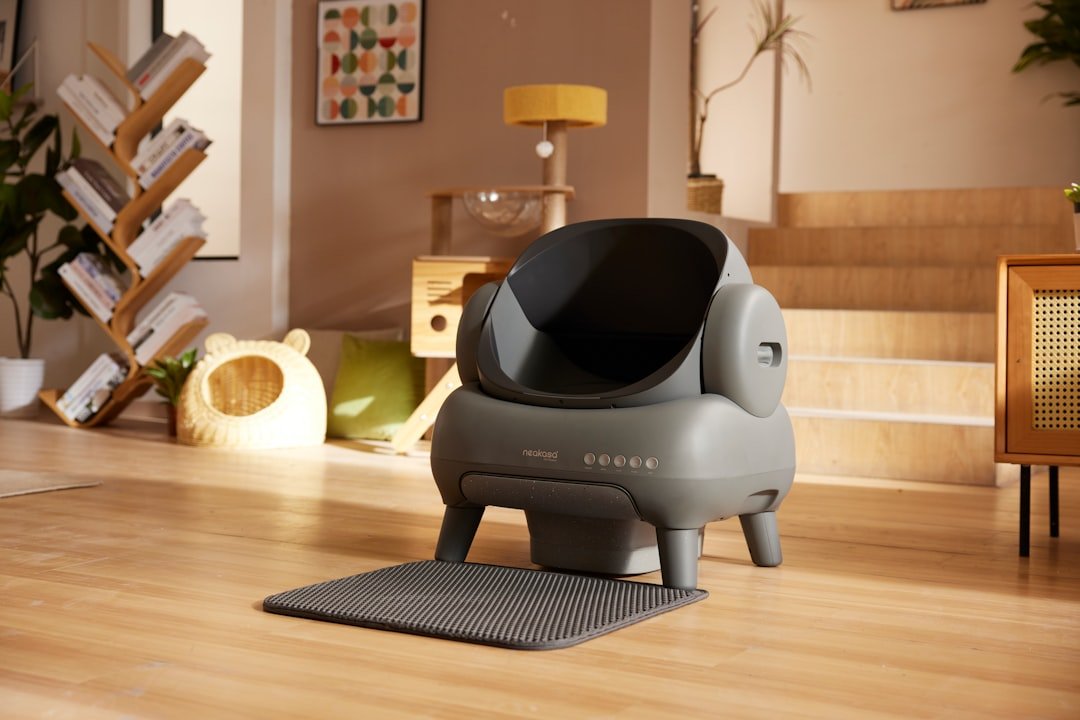
The best self cleaning litter box review comes down to this: an automatic box can be worth the investment when daily scooping is the chore that keeps slipping. It is 6:30 a.m., you are heading out, and there is one fresh clump in the tray that you meant to deal with last night. That is the everyday problem these boxes address. A best self cleaning litter box review should also be honest about the trade-off: you replace scooping with setup, regular washing, consumables, and a higher upfront price.
For the right home, the convenience is real. These boxes usually detect when a cat leaves, wait for a safety delay, then rake or rotate waste into a covered drawer. The litter looks cleaner between full cleanouts. That can help multi-cat homes especially, because a single conventional box may become unpleasant quickly when several cats use it through the day. Still, an automatic box is not a hands-off appliance. It needs attention.
Best self cleaning litter box review priorities
Start with your cat, not the app or the sleek shell. A cat who is nervous around household machines may dislike a box that moves, hums, or changes shape after use. Some cats walk away and return later. Others may avoid it entirely. The safest purchase is one that gives your cat a roomy, stable place to stand and lets you keep a familiar regular box available during the transition.
Interior space matters more than many product photos suggest. Measure your cat while standing and while turning around, then compare those dimensions with the manufacturer’s stated usable interior space rather than only the outside footprint. Large adult cats, long-bodied cats, and cats that squat high may struggle with compact globe-style designs. Bigger is usually easier. A high entry can also be difficult for senior cats or cats with reduced mobility.
Look closely at the opening. An enclosed box can contain scattered litter and hide waste, but it may trap odors if the unit has weak ventilation or the drawer is not emptied on schedule. Open-top automatic models are often less intimidating and easier to inspect. They can throw more litter. Neither layout wins for every cat.
Safety design should be a buying requirement, not a bonus. Read how the unit detects a cat, whether it stops when weight changes during a cleaning cycle, and whether openings can close or rotate around the cat’s path. Check the manufacturer’s current manual and safety guidance before ordering. Do this first. Avoid using any automatic box with kittens below the maker’s stated minimum weight, and follow that limit even if the kitten seems confident.
What you are actually paying for
The purchase price is only one part of the investment. Many automatic boxes cost several hundred dollars, while premium connected models can cost more. Prices vary by region. Some use standard clumping litter, while others require trays, crystals, proprietary waste bags, filters, or liners that add recurring costs every month.
A practical comparison needs a simple total-cost estimate. Suppose one box costs $600 and uses $20 of bags and filters each month. After one year, the estimated cost is $840 before litter, electricity, or replacement parts. A $300 unit that accepts ordinary kitchen-sized waste bags and your usual clumping litter may cost less over time, even if it has fewer sensors or no camera. Write the numbers down.
| What to compare | Why it affects daily use | What to check |
|---|---|---|
| Cat size and entry height | A cramped or tall box may be rejected | Usable interior dimensions and step-in height |
| Litter compatibility | The wrong litter can cause poor clumping or jams | Approved litter type, depth, and grain size |
| Waste drawer capacity | Small drawers still need frequent emptying | Expected emptying interval for your cat count |
| Cleaning access | Waste residue and odor build up over time | Removable parts and wash instructions |
| Recurring supplies | Consumables change the real annual cost | Bag, liner, filter, tray, and litter requirements |
| Support and parts | Moving equipment may eventually need help | Warranty terms, return period, and replacement availability |
Do not assume a larger waste drawer means you can ignore it for a week. Warm waste in a sealed compartment can smell stronger than expected, especially with multiple cats or a diet that produces pungent stools. Most households still need to check the drawer every day or two. That takes seconds. It also gives you a useful chance to notice changes in stool, urine clumps, or litter box habits.
Rake systems, rotating systems, and open trays
Rake-style boxes move a comb across litter and push clumps into a receptacle. They are often straightforward to understand, but wet or sticky clumps can cling to the rake or leave residue behind. Some designs work best with a particular litter texture. Read the cleaning instructions closely.
Rotating drum or globe systems sift litter through a grate as the chamber turns, dropping waste into a drawer. These designs can handle frequent use well when the cat fits comfortably inside and the chosen litter clumps firmly. They have more moving surfaces. A deep clean may take longer than cleaning a plain litter pan.
Open-top rotating units place the litter bed in a more exposed tray. For cats that dislike covered spaces, this can be an easier adjustment. The open design also makes it simpler for you to see whether the litter level is right. Litter tracking may increase. Put a large textured mat outside the entry and leave enough clear floor space for your cat to approach without feeling cornered.
Some products add weight tracking, usage logs, odor controls, or phone alerts. These can be useful reminders, particularly if you travel overnight or share care with another person. They are not a substitute for looking in the box. A weight trend from a consumer device is not a diagnosis, and an app cannot tell you whether a cat is straining or avoiding the tray.
Signs it may be worth the investment
An automatic litter box tends to make the most sense when you already have a reliable litter routine but want to reduce the number of manual scoops. It can also help when a busy schedule means the box sometimes sits longer than you would like. Cleaner litter after each use may encourage some cats to return to the tray readily. That depends on the cat.
It may be a poor fit if your cat has a history of avoiding covered boxes, panics at motor noise, produces very soft stool, or needs a low-entry tray. It may also be frustrating if you dislike taking appliances apart for washing. The machine still gets dirty. Consider your tolerance for maintenance before paying for convenience.
Multi-cat households need extra caution. One automatic box can process more waste than a regular pan, but it is not automatically enough toilet space for every group. Keep at least one familiar backup box during testing, and do not remove other boxes until you know every cat is using the new unit calmly. Watch the quiet cat. The most confident cat is not always the only one using it.
How to introduce an automatic box
- Place the new unit near the old box, but do not block the usual route.
- Leave it switched off at first and add the litter your cat already accepts.
- Let your cat investigate for several days while the regular box remains available.
- Run a cleaning cycle only after your cat has left the area, so the sound is less startling.
- Turn on automatic cycling when your cat is entering and exiting normally.
- Keep checking waste and litter level daily, even after the transition goes well.
Move slowly. A rushed switch can create litter box avoidance, and that problem is harder to sort out than a few extra days of scooping. If your cat stops using the box, seems frightened by it, or has any sudden change in bathroom habits, provide a clean familiar box and contact a qualified veterinarian for guidance.
The realistic bottom line
The best self cleaning litter box is worth the investment when it fits your cat comfortably, uses supplies you can afford, and makes your real routine easier rather than more complicated. A reliable model with simple cleaning access is often a better buy than a fancy unit with features you will not use. Check current specifications, return rules, warranty coverage, and approved litter requirements on the manufacturer’s official product page before buying. Your cat gets the final vote.
Related posts
This post is for general informational purposes only and is not veterinary advice. Every cat is different — if you have concerns about your cat’s health or behavior, please consult a qualified veterinarian.