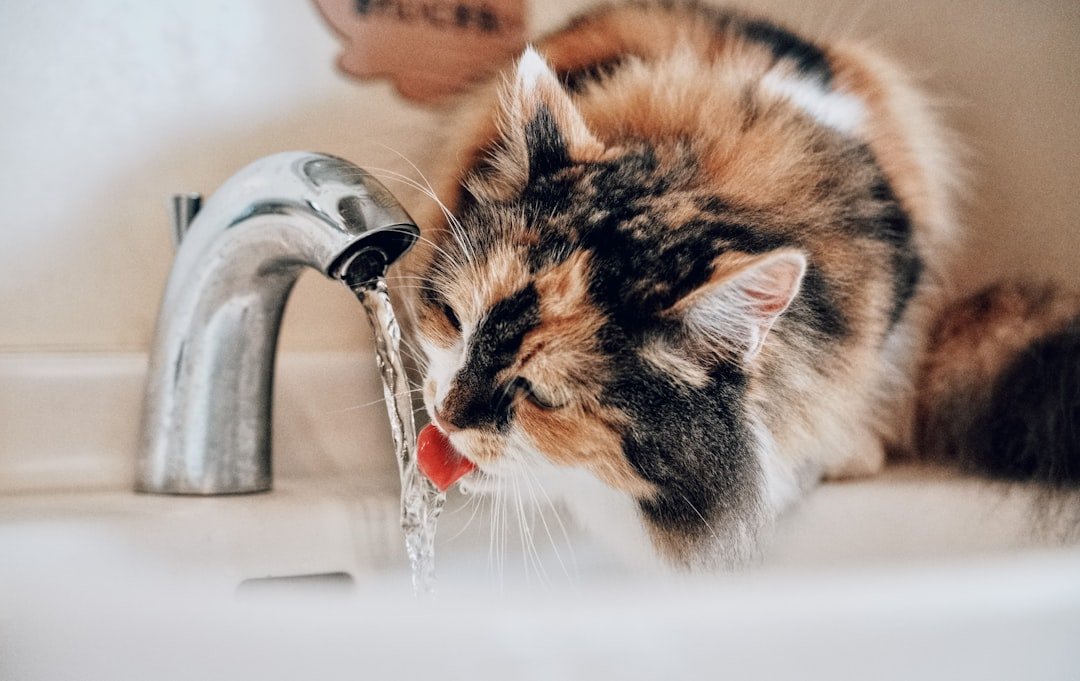
If your cat is drinking more water than usual or making frequent trips to the litter box, you need to pay attention. Cat diabetes symptoms often develop quietly, and most cat owners miss the first signals until the condition becomes serious. Catching cat diabetes symptoms early means you can start treatment before complications take hold.
Understanding Cat Diabetes Symptoms at a Glance
Feline diabetes develops when your cat’s pancreas stops producing enough insulin or their body becomes resistant to it. Weight, age, and diet all play a role. The problem is that early warning signs are subtle enough that many people don’t realize their cat needs help until diabetes has progressed significantly.
| Early Warning Sign | What to Notice | When to Contact Your Vet |
|---|---|---|
| Increased Thirst | Water bowl empties faster, more frequent drinking | If lasting more than a few days |
| Frequent Urination | More trips to the litter box, larger clumps in litter | If combined with other symptoms |
| Weight Loss Despite Eating | Ribs becoming visible, less muscle tone | If occurring over weeks, not days |
| Lethargy | Sleeping more, less interest in play or interaction | If accompanied by other changes |
| Sweet-Smelling Breath | Fruity or acetone-like odor from mouth | Immediately—this signals ketoacidosis |
The Seven Early Warning Signs You Cannot Miss
I’ve lived with cats for years and watched friends struggle when their cats got sick. The cats that recovered fastest were the ones where owners caught changes immediately. Here are the specific early warning signs of cat diabetes symptoms you should track daily.
Your cat drinks noticeably more water. This happens because high blood sugar makes the kidneys work overtime to filter glucose out through urine, which creates dehydration. Your cat compensates by drinking constantly. You’ll notice the water bowl needs refilling more often or your cat camps out at the bowl between meals.
Litter box habits shift dramatically. More frequent urination is a direct result of excess glucose in the bloodstream. Watch for larger, more frequent clumps in the litter box. Some owners notice their cat suddenly missing the box or having accidents outside it—this is sometimes the first real clue something’s wrong.
Weight drops even though your cat eats normally or sometimes more than usual. This paradox happens because the cat’s body cannot process glucose properly, so cells are starving for energy. The cat burns muscle and fat reserves rapidly. You’d think a cat eating more would gain weight—it usually doesn’t with diabetes.
Energy levels plummet noticeably. Your playful cat becomes a couch potato. Jumping onto high surfaces becomes difficult. Some cats retreat to dark corners and sleep 16 hours a day instead of their normal 12 to 14. This lethargy is often one of the final early warning signs before an owner seeks veterinary help.
Breath develops a sweet, fruity, or acetone-like smell. This is not normal cat breath. This particular symptom signals ketoacidosis—a medical emergency where the body breaks down fat too rapidly, creating dangerous acids in the blood. If you smell this odor, contact your veterinarian immediately.
Your cat grooms less or stops grooming altogether. The coat becomes dull and matted. Cats with diabetes often lack the energy or motivation to maintain their grooming habits. This change is easy to miss if you’re not actively watching.
Behavioral changes emerge without obvious triggers. Your cat becomes irritable, defensive, or withdrawn. Some cats vocalize more than usual. Others simply seem confused or disoriented. These shifts often correlate with pain, discomfort, or metabolic imbalance caused by high blood sugar.
How to Monitor Your Cat and Spot Early Warning Signs
- Establish a baseline by tracking water intake, urination frequency, appetite, and energy levels for one week right now—before any symptoms appear. Write down what normal looks like for your specific cat.
- Refill your cat’s water bowl at the same time each day and note how long it takes to empty. If it empties in half the usual time, document this change.
- Monitor litter box visits by checking daily and counting urination frequency. Most adult cats urinate 2 to 3 times daily; diabetes often increases this to 5 or more visits.
- Weigh your cat monthly using a home scale or your veterinary clinic’s scale. Track the numbers in a note or document so you spot weight loss patterns over weeks.
- Perform a gentle rib check weekly by running your hand along your cat’s sides. You should feel ribs under a light layer of muscle and fat—not prominent bones poking through.
- Observe energy during play and normal daily routines. Note any decrease in jumping, climbing, or willingness to engage with toys or people.
- Schedule a veterinary wellness exam if you notice any combination of these early warning signs lasting more than 3 to 5 days, particularly increased thirst and urination together.
Risk Factors That Increase Likelihood of Diabetes
Most people don’t realize that obesity is the single biggest risk factor for feline diabetes. Indoor cats, older cats, and neutered males face higher risk too. Feeding dry food exclusively can contribute compared to diets with higher moisture content. Breed matters as well—some breeds show genetic predisposition. Knowing your cat falls into higher-risk categories means you should monitor for cat diabetes symptoms even more carefully.
Understanding these risk factors helps you take prevention seriously.
My Picks for This
- Royal Canin Diabetic: A therapeutic diet specifically formulated to help manage glucose levels and support weight loss, used by many vets as a first-line nutritional intervention.
- Hill’s m/d Digestive Care: High-protein, low-carb formula designed to stabilize blood sugar and support healthy weight, often recommended during diabetes management.
- Purina Pro Plan Veterinary Diets DM: A prescription diet created for diabetic cats with precise protein and carbohydrate ratios to support metabolic health.
- Catit Flower Fountain: Encourages increased water intake by providing fresh, flowing water—especially helpful since hydration is critical for diabetic cats.
- PetSafe 5-Meal Automatic Feeder: Helps manage portion control and meal timing consistently, which supports stable glucose levels and weight management.
Frequently Asked Questions (FAQ)
Q1. How quickly do cat diabetes symptoms appear?
Cat diabetes symptoms can develop over weeks to months. Some owners notice changes suddenly, while others realize in hindsight that subtle shifts happened gradually. This is why baseline monitoring matters—you’ll catch changes faster when you know what normal looks like.
Q2. Can cat diabetes be reversed if caught early?
Some cats—particularly those diagnosed early and managed with diet, weight loss, and sometimes insulin—go into remission. This means their blood sugar normalizes and they no longer need insulin. However, not all cats achieve remission, and diabetes cannot be cured completely, only managed.
Q3. What should I do if I suspect my cat has diabetes?
Schedule a veterinary appointment immediately. Your vet will run blood work and urinalysis to confirm diabetes. Bring notes about any changes you’ve observed, including dates when symptoms started. Early diagnosis and treatment plan significantly improve outcomes.
Q4. How much does diabetes testing and treatment cost?
Initial testing typically ranges from modest to moderate in cost depending on your location and clinic. Ongoing treatment costs vary—some cats need daily insulin injections, dietary changes, and regular monitoring. Ask your vet about a full cost estimate before starting treatment.
Q5. Are certain cat foods better for preventing diabetes?
High-protein, low-carbohydrate diets are generally considered supportive for metabolic health and weight management. Some veterinary prescription diets are specifically formulated for diabetic cats. Discuss diet options with your vet, especially if your cat is overweight or at higher risk.
Q6. Do indoor cats have higher rates of diabetes?
Yes. Indoor cats tend to be less active and often heavier than outdoor cats, both of which increase diabetes risk. Indoor cats also depend entirely on what and how much their owners feed them, so portion control becomes critical for prevention.
Related posts
This post is for informational and general educational purposes only. It does not constitute professional veterinary advice, medical diagnosis, nutritional guidance, or behavioral therapy. Always consult a licensed veterinarian before making decisions about your cat’s health, diet, medication, or treatment — especially if your cat is showing signs of illness, distress, or behavioral changes. Product recommendations on this site are based on general research and owner experience; individual results may vary depending on your cat’s breed, age, weight, and health condition. Prices, product availability, formulations, and specifications are subject to change without notice — always verify current details directly with the manufacturer or retailer before purchasing. Feeding guidelines, portion sizes, and nutritional information referenced in this post are general estimates only and should not replace personalized advice from your veterinarian or a certified feline nutritionist. If your cat is pregnant, nursing, underweight, overweight, or managing a chronic condition, seek professional guidance before changing their diet or care routine. This site may contain affiliate links — if you purchase through our links, we may earn a small commission at no extra cost to you. We only reference products we believe may be genuinely useful, but we encourage you to do your own research before buying.