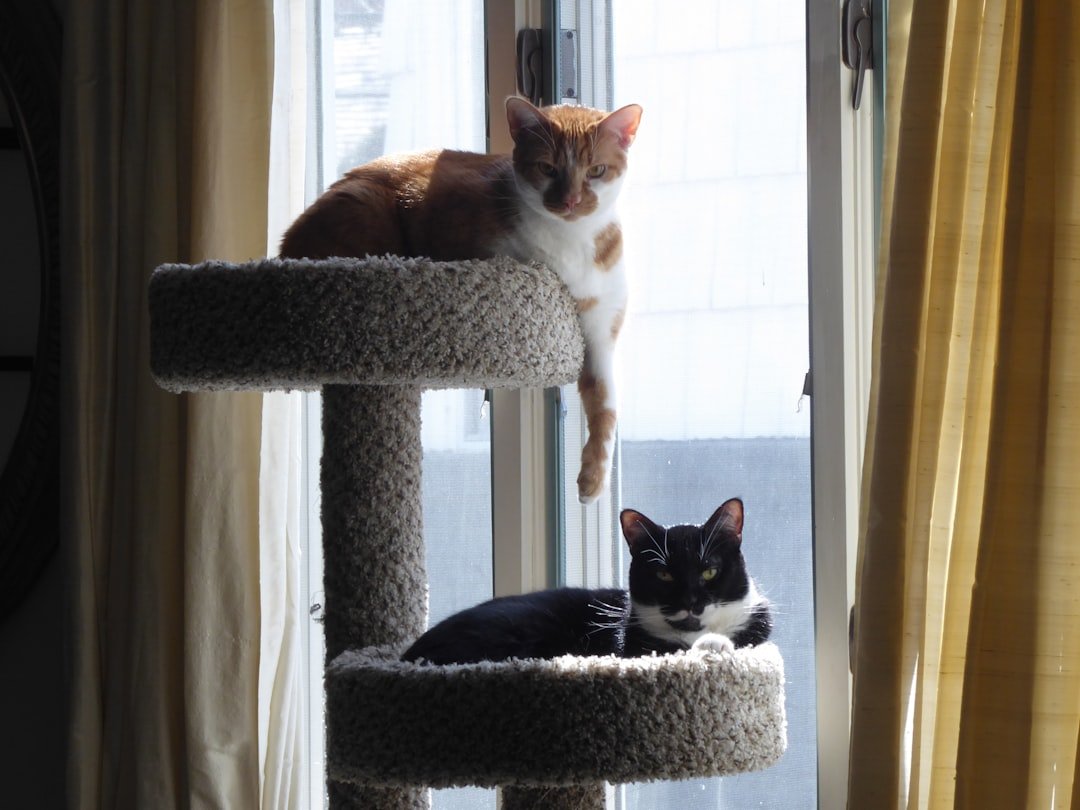
Your current cat has been your only companion for years, and now you’re wondering if a second cat would bring joy or chaos. The answer depends entirely on how you do it. How to introduce a second cat determines whether they become friends, tolerate each other, or spark constant conflict. Most cat owners rush this process and regret it immediately. Instead, follow a structured slow introduction timeline that gives both cats time to adjust without triggering territorial aggression or stress-related illness.
Why the Slow Introduction Timeline Matters More Than You Think
I’ve lived with cats for years, and I’ve watched owners bring home a new cat, open the carrier, and expect instant harmony. Within 48 hours, their first cat stops eating. The new one hides under the bed for a week. Fighting breaks out during feeding time. None of this was inevitable.
Cats are territorial animals. Their sense of smell, not sight, tells them who belongs in their space. When a new cat suddenly appears, your resident cat perceives an invader, not a roommate. The slow introduction timeline respects this biology.
| Introduction Stage | Duration | What Happens | Main Goal |
|---|---|---|---|
| Scent Exchange | 3-5 days | Cats smell each other under doors and via bedding | Reduce novelty shock |
| Visual Introduction | 3-7 days | Brief visual contact through a cracked door or screen | Confirm the smell matches the sight |
| Supervised Interaction | 7-14 days | Controlled time in the same room with you present | Monitor behavior and interrupt conflict |
| Integration | 1-4 weeks | Unrestricted access with separate resources still available | Establish stable cohabitation patterns |
Your timeline should span two to four weeks minimum. Rushing any stage almost always requires starting over from the beginning.
Pre-Introduction Checklist: What You Need Before Bringing a Second Cat Home
- Separate litter boxes (the rule is one per cat plus one extra) so your resident cat never feels cornered while using the bathroom
- Multiple water bowls and food stations in different locations to prevent resource guarding and competition stress
- A quiet, cat-proofed room for the new cat with its own litter box, food, water, hiding spots, and scratching post — this is their safe base during weeks one and two
- Feliway Classic Diffuser or a similar pheromone product to reduce territorial anxiety in both cats throughout the introduction
- Soft foods and high-value treats your resident cat already loves — familiar flavors matter during stressful transitions
Step-by-Step: How to Introduce a Second Cat Without Creating Territorial Conflict
Condition: Your resident cat has been alone. The new cat is an unfamiliar presence. Both experience stress during change.
Audience: Cat owners aged 25–50 who want to add companionship without chaos.
Method: Gradual exposure through scent, sight, and controlled interaction mimics how cats naturally accept new territory members.
- Set up a separate room for the new cat before arrival — bedroom, office, or guest room. Place all resources inside: litter box in one corner, food and water in another, hiding spots like boxes or a cat tree in the third area. Your resident cat should not have access yet.
- Bring the new cat home and place them directly in this room. Close the door. Let them adjust alone for the first 24–48 hours. This prevents immediate territorial confrontation and lets them decompress from transport stress.
- Swap bedding between the two cats. Take the new cat’s blanket and place it near your resident cat’s favorite sleeping spot. Take your resident cat’s bedding and put it in the new cat’s room. This is the beginning of scent exchange. Most cats investigate the unfamiliar scent within hours.
- Feed both cats on opposite sides of the closed door simultaneously. Your resident cat eats outside the door; the new cat eats inside. After 3–5 days of this, both cats associate the other’s scent with something positive: food. Here’s where most cat owners give up — they skip this step because it seems unnecessary. It’s not.
- Crack the door open slightly during the feeding times. Use a baby gate, a door stop, or a door wedge. Let them see each other while eating. If either cat becomes aggressive, hisses, or stops eating, close the door and wait another full day before trying again.
- After 3–7 days of visual introduction without aggression, allow 15–30 minutes of supervised time in the same room. Sit between them. Have treats ready. The goal is not bonding — it’s coexistence without conflict. If hissing, swatting, or chasing happens, separate them immediately and add another 2–3 days to your timeline.
- Gradually extend supervised sessions to 1–2 hours. By the end of week two, most cats tolerate each other. By week three or four, they may share space comfortably, though they might never become best friends.
- Only remove the door to the new cat’s room once both cats have spent at least 3–4 consecutive days in the same space without conflict. Even after this, keep the room accessible as a safe retreat for either cat.
This is the part that actually matters: patience beats speed every single time.
Essential Products That Make the Slow Introduction Timeline Work
You’d think cats would handle sharing space easily — they usually don’t. The right products reduce stress on both animals and give you more control during the process.
When I’ve lived with multiple cats, I learned that environmental enrichment prevents territorial obsession. A bored resident cat becomes fixated on the newcomer. A stimulated cat ignores them.
Pheromone diffusers create a calming effect. Feliway Classic releases synthetic cat facial pheromones that signal safety and familiarity to the cat’s brain. Most cats show reduced urine marking and hiding within days of diffuser use. Plug one in the new cat’s room and one in your main living space during the introduction.
Vertical territory prevents conflict by expanding usable space. Cat trees, wall-mounted shelves, or window perches give cats separate areas without requiring separate rooms. Your resident cat can observe from above while the new cat occupies floor level. This spatial layering reduces direct confrontation.
My Picks for This
- Feliway Classic Diffuser — A must-have pheromone device that reduces stress and territorial behavior throughout your home during the 2–4 week slow introduction timeline.
- Catit Flower Fountain — Encourages water intake and provides separate water sources in different rooms, preventing resource guarding between cats.
- Kong Kickeroo — A durable toy that keeps resident cats mentally stimulated and physically tired, reducing their fixation on monitoring the new cat.
- IRIS Top Entry Litter Box — Enclosed design gives each cat privacy and prevents one cat from blocking another’s access to the bathroom.
- Yeowww! Catnip Toys — High-quality catnip redirects attention away from the newcomer and provides positive association with shared spaces during supervised introduction sessions.
Frequently Asked Questions (FAQ)
Q1. How long does the slow introduction timeline typically take?
Minimum two weeks, but three to four weeks is more realistic for stable cohabitation. Some cats adjust in 10 days; others need a full month. Age, personality, and prior socialization all affect the speed. Rushing creates ongoing conflict that lasts months.
Q2. Can I skip steps if my cats seem okay with each other?
Not safely. I’ve seen so many cat owners skip the scent exchange phase because their cats seemed curious at the door. By day three, territorial aggression emerged hard. The slow introduction timeline exists because cats’ brains process novelty over time, not instantly. Each stage prepares them neurologically for the next.
Q3. What if my resident cat refuses to eat during the door-feeding stage?
This signals stress. Move the food bowls further from the door. Some cats need 10–15 feet of distance initially. Gradually move bowls closer as comfort improves. Never force proximity.
Q4. Should I introduce an adult cat or a kitten?
Kittens are often easier because adult resident cats perceive them as less of a territorial threat. However, how to introduce a second cat successfully depends more on the resident cat’s temperament than the newcomer’s age. Test your resident cat’s tolerance before choosing.
Q5. How many litter boxes do I actually need?
Minimum three if you have two cats (one per cat plus one extra). Some cats refuse to share. Separate boxes in different locations prevent bathroom-related conflict and reduce stress significantly.
Q6. What signs mean the introduction is failing and I should separate them?
Constant hissing, swatting that connects, stalking behavior between meals, or either cat stopping eating or hiding for more than 12 hours. These indicate stress levels beyond what the slow introduction timeline is managing. Add more days between stages.
This post is for informational and general educational purposes only. It does not constitute professional veterinary advice, medical diagnosis, nutritional guidance, or behavioral therapy. Always consult a licensed veterinarian before making decisions about your cat’s health, diet, medication, or treatment — especially if your cat is showing signs of illness, distress, or behavioral changes. Product recommendations on this site are based on general research and owner experience; individual results may vary depending on your cat’s breed, age, weight, and health condition. Prices, product availability, formulations, and specifications are subject to change without notice — always verify current details directly with the manufacturer or retailer before purchasing. Feeding guidelines, portion sizes, and nutritional information referenced in this post are general estimates only and should not replace personalized advice from your veterinarian or a certified feline nutritionist. If your cat is pregnant, nursing, underweight, overweight, or managing a chronic condition, seek professional guidance before changing their diet or care routine. This site may contain affiliate links — if you purchase through our links, we may earn a small commission at no extra cost to you. We only reference products we believe may be genuinely useful, but we encourage you to do your own research before buying.