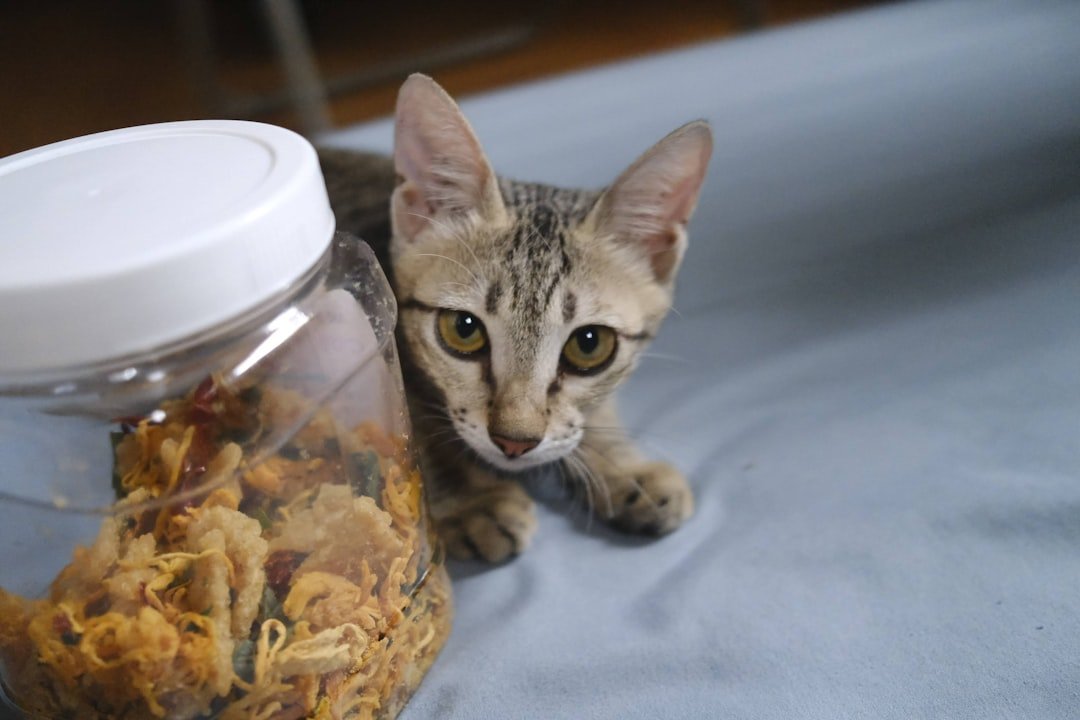
The best treats for diabetic cats are usually single-ingredient meat or fish treats, given in very small amounts and counted as part of the day’s food. Low sugar options should have no added sweeteners and as little starch as possible. Keep it simple. For a cat receiving insulin, the safest treat is one that does not cause a big, unpredictable change in the usual diet or feeding schedule.
Diabetes care is individual. Some cats are managed with insulin, some have a carefully controlled wet-food plan, and some have other health concerns that affect which treats make sense. Your veterinarian should know about any regular treat, especially if your cat’s glucose readings, appetite, weight, or insulin needs have recently changed.
Best treats for diabetic cats tend to be meat first
Cats are obligate carnivores, so treats based on plain animal protein are often the most practical choice when you are trying to limit carbohydrates. Look for a short ingredient panel where chicken, turkey, rabbit, salmon, or another named animal ingredient is the whole product or the clear first ingredient. Short labels help. A treat does not need to say “diabetic” on the package to be suitable.
Freeze-dried single-protein treats are common low sugar options because many contain only meat, organs, or fish. Plain cooked chicken can work too, as long as it has no oil, salt, seasoning, onion, garlic, sauce, or skin. Tiny pieces are enough. A thumbnail-sized piece of cooked chicken may be a more useful reward than several crunchy biscuits.
Be careful with the phrase “high protein.” A product can be high in protein and still contain starches that hold a dry treat together. The ingredient list tells you more than the front label, particularly when a bag also uses words such as natural, wholesome, grain-free, or limited ingredient.
What low sugar options actually mean
Cat treat labels often do not list sugar in the same clear way that human snack labels do. Instead, you need to look for likely carbohydrate sources in the ingredients. Think ingredients first. Corn, wheat, rice, potato, sweet potato, tapioca, peas, lentils, chickpeas, flour, molasses, honey, syrup, and fruit can all add carbohydrate or sugar to a treat.
That does not make every product containing one of these ingredients automatically harmful. It does mean that a crunchy treat with several starches is usually a less predictable choice for a diabetic cat than a small piece of plain meat. Cats can have different glucose responses, and the amount fed changes the equation quickly when a cat is small.
Wet, lickable treats need a closer look. Many are mostly moisture and animal ingredients, which can make them easier to portion than dry snacks, but some contain starches, gums, milk, cheese, or sweet potato. Gums are commonly used for texture and do not automatically make a treat unsuitable. Still, a simple recipe is easier to assess.
If you are comparing labels, put the products side by side and check the first several ingredients. Choose the one with the clearer animal-protein base and fewer obvious starches. Then check calories. A low-carbohydrate treat can still add too many calories if it is fed freely.
Ingredients that deserve extra caution
Avoid treats with added sugars, syrups, honey, molasses, or fruit concentrates. These ingredients are unnecessary for cats. Also skip anything containing onion, garlic, chives, chocolate, grapes, raisins, alcohol, or xylitol. These are unsafe. Do not assume a product is safe because it is sold for pets if the label is incomplete or hard to read.
Milk-flavored treats are another area to consider carefully. Many adult cats do not digest lactose well, and stomach upset can complicate a diabetic cat’s normal eating pattern. The issue is not only carbohydrates. Vomiting, diarrhea, or refusing regular food can be more urgent for a cat using insulin, so contact your veterinary clinic promptly if your cat seems unwell or will not eat.
Dental treats are often dry and biscuit-like, so they may rely on starch for their shape and texture. Some cats enjoy them, but they are not automatically the best fit for diabetic management. Ask your veterinarian whether a particular dental product fits your cat’s food plan, or discuss other dental care options during routine visits.
Product types to research
Single-ingredient freeze-dried treats are usually the first category to research. Products sold as freeze-dried chicken breast, turkey, beef liver, salmon, or minnows may have very simple formulas, although liver is rich and should be fed sparingly. Read every package. Recipes and manufacturing details can change without much notice.
Plain meat baby food is sometimes used to encourage eating, but it is not a general treat recommendation unless your veterinarian approves it. Some varieties contain onion or garlic powder, and nutrition varies widely. A plain cooked meat option is usually easier to control when you need a routine reward.
Lickable meat purées can be useful for nail trims, medication, or blood glucose checks because you can offer a measured amount. Squeeze a small portion onto a spoon or plate rather than giving the full tube automatically. Portion control matters. Check the label for starches and added dairy, then account for the calories in the daily total.
Some well-known brands sell single-ingredient lines, including freeze-dried meat treats and bonito flakes, but brand names alone are not a guarantee of a suitable formula. Research the current ingredient list and feeding guide on the package or the manufacturer’s official product page before buying. Prices vary by region. A larger bag is only good value if your cat accepts it and it stays fresh.
How to read the package before buying
Start with the ingredient panel rather than the marketing claims. If the package says chicken is the only ingredient, that is easy to understand. If you see meat plus potato starch, pea flour, vegetable glycerin, fruit, and flavoring, it is harder to know how well that treat will fit a diabetic cat’s usual diet.
Next, find the calorie statement. Treat calories are often printed per piece, per tube, or per ounce, and those formats can make comparisons awkward. Do the math. If one crunchy treat has 2 calories and your cat gets 10 during the day, that is 20 calories before meals are counted.
For many adult cats, treats are best kept to a small share of daily calories rather than becoming a second meal. Your veterinarian can give a target that fits your cat’s body condition and treatment plan. Until then, use a conservative approach: break treats into tiny pieces, offer only what you can account for, and reduce the amount of regular food only if your veterinary team has advised that adjustment.
Also check whether the food is complete and balanced or labeled for supplemental feeding only. Most treats are supplemental. That is normal, but it means they should not replace a measured diabetic diet over time, even when the ingredient list looks excellent.
A practical way to introduce a new treat
Introduce one new product at a time. This makes it easier to notice whether your cat likes it and whether it causes digestive trouble, changes appetite, or disrupts a stable routine. Do not test several bags at once. A simple four-step approach helps.
- Choose a meat-based product with a clear ingredient list and no added sugars or obvious starch-heavy fillers.
- Offer one very small piece alongside a normal meal, rather than when your cat is due for insulin or is acting hungry.
- Keep the same amount for several days while you watch appetite, stool, energy, and any glucose data your veterinary team has asked you to track.
- Stop the new treat and call your veterinary clinic for guidance if your cat vomits repeatedly, develops diarrhea, refuses food, seems weak, or has unusual behavior.
Consistency is useful. If a treat works well and your veterinarian is comfortable with it, keep the serving size steady instead of alternating between large handfuls and none. A predictable tiny reward is generally easier to fit into a feeding plan than an occasional large snack.
Realistic trade-offs when choosing treats
The lowest-carbohydrate option is not always the easiest product to use. Freeze-dried meat can crumble in a pocket, fish can smell strong, and some cats simply reject foods with a dry texture. That is normal. A low-starch purée may be more practical for training or medication, even if its ingredient list is a little longer.
Organ treats need moderation. Liver is highly palatable and nutrient-dense, but it should not become a large daily part of the diet. Fish treats can also be useful in small amounts, though variety is sensible because no single treat should dominate a cat’s intake.
Cost is another trade-off. Single-ingredient treats often cost more per ounce than ordinary crunchy snacks, but the serving sizes for a cat can be very small. Compare cost per serving. If a bag lasts two months because you use one or two pieces a day, the higher shelf price may be manageable.
The best purchase is usually the product your cat will reliably eat in a measured amount, with an ingredient list you understand and a calorie count you can include in the daily plan. There is no perfect universal treat. For a diabetic cat, boring and consistent is often a better goal than exciting and varied.
When treats should wait
Do not use treats to cover up a change in appetite. A diabetic cat who suddenly refuses normal food but accepts treats needs veterinary advice, particularly if insulin is involved. Treats are not meals. Changes in drinking, urination, weight, weakness, vomiting, or behavior also deserve a call to your clinic rather than a change in snack selection.
If your cat is on a prescription diet, ask before adding regular treats every day. Some treatment plans depend on keeping food intake very steady, and even low sugar options can interfere when the amounts creep upward. Bring the package or a photo of the full label to your appointment. That gives your veterinarian something concrete to review.
For everyday use, choose a plain protein treat, keep portions tiny, and make the routine predictable. That approach gives you a useful reward without turning treats into a hidden source of carbohydrates or extra calories.
Related posts
This post is for general informational purposes only and is not veterinary advice. Every cat is different — if you have concerns about your cat’s health or behavior, please consult a qualified veterinarian.