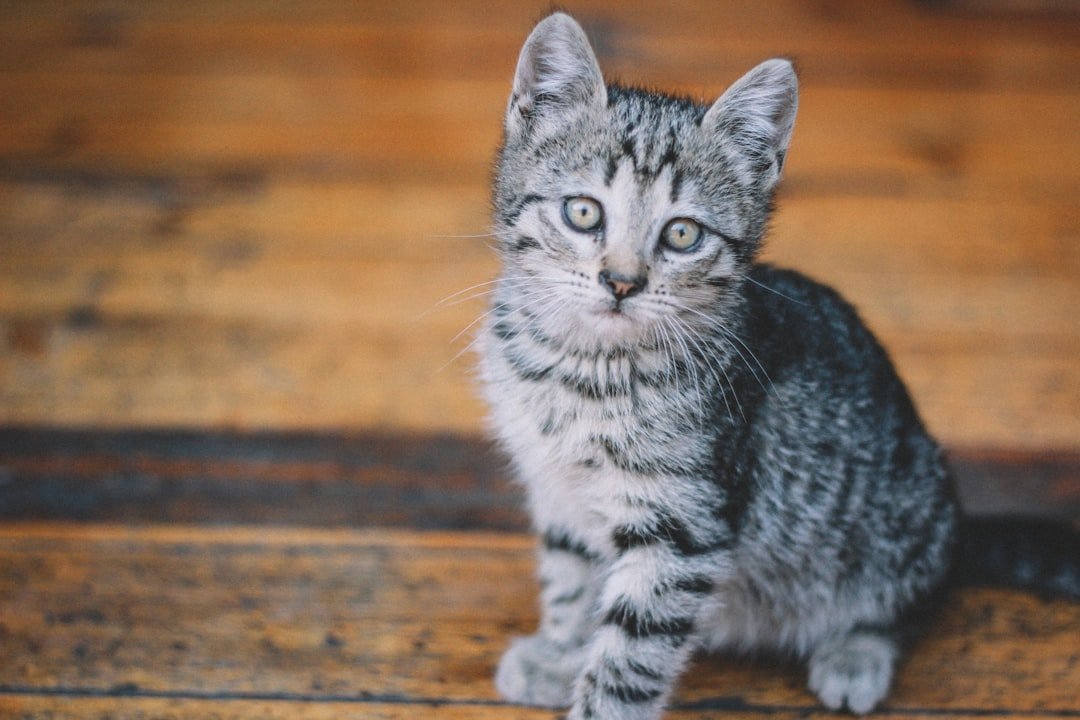
Adopting your first cat changes everything, and honestly, most people don’t realize how much setup matters before the carrier even arrives home. A solid first time cat owner checklist isn’t just nice to have—it prevents stress, accidents, and wasted money on items you won’t actually use. This guide walks you through exactly what to buy before adoption, prioritized by urgency and real-world necessity.
Quick Reference: First Time Cat Owner Checklist Essentials
| Category | Essential Item | Why It Matters | Budget Range |
|---|---|---|---|
| Litter | Litter box plus clumping litter | Cats refuse dirty boxes; accidents happen fast | 25–100 USD |
| Food & Water | Food bowls, water bowl or fountain | Cats prefer running water; ceramic prevents chin acne | 15–80 USD |
| Shelter | Cat bed or hideaway | Cats need safe spaces; bed reduces stress immediately | 20–60 USD |
| Play & Enrichment | Toys, scratching post, climbing tree | Boredom leads to destructive behavior | 30–150 USD |
The First Time Cat Owner Checklist: Priority Order
Here’s the truth—you don’t need everything on day one.
I’ve lived with cats for years, and I’ve learned which items prevent emergencies versus which ones you can add after week two. Your first time cat owner checklist needs to answer three questions: where will the cat eliminate waste, where will it eat and drink, and where will it feel safe?
Start with these non-negotiables before bringing your cat home. A litter box arrives first. Your cat will use it within hours. Choose a box large enough that your cat can turn around completely inside—I’ve seen so many cat owners buy tiny boxes and then wonder why their cat avoids it. Avoid boxes with tight-fitting lids unless your cat is already trained to them; most cats refuse lids after the first week.
Next on your first time cat owner checklist: food and water stations. Separate the food bowl from the water bowl by at least one meter. Cats are descended from desert hunters who drank away from their kills, and they’ll hydrate better if water sits apart. You’d think a regular bowl works fine—it usually doesn’t. A ceramic or stainless steel bowl prevents bacterial chin acne. Better yet, a cat water fountain encourages drinking because most cats prefer running water to standing water.
A safe sleeping space matters more than most people realize. Your first time cat owner checklist must include somewhere your cat can hide. This could be a cat bed, a box, or a small tent-style hideaway. Cats need to decompress in the first days home, and a den-like space cuts stress significantly.
Building Out Your First Time Cat Owner Checklist: Secondary Essentials
Scratching and Climbing Infrastructure
Scratching isn’t destructive behavior—it’s mandatory cat behavior. Without scratching posts, your cat will shred furniture. Your first time cat owner checklist needs at least one scratching post, ideally two. Placement matters: put one near where your cat sleeps and one in a central room where your cat spends time. Vertical territory matters too. A cat tree or wall-mounted shelf gives your cat height and escape routes.
Toys and Enrichment
Boredom kills engagement faster than anything else. Stock your first time cat owner checklist with toys that move—wand toys, ball toys, and puzzle feeders that make your cat work for treats. Feather toys, crinkle toys, and catnip toys work for most cats, though not all respond to catnip. Rotate toys every few days to maintain novelty.
Grooming and Health Supplies
Before your cat arrives, gather nail clippers, a soft brush, and a comb. Your first time cat owner checklist includes keeping these visible and accessible. Brush your cat at least twice weekly to reduce shedding and catch skin issues early. A deshedding tool handles loose undercoat without irritating skin.
What to Buy Before Adoption: The Detailed Process
- Identify your cat’s age and estimated adult size—this shapes everything from litter box dimensions to climbing tree height
- Measure your home’s available space for the litter box, ideally away from food and sleeping areas, and choose a box that fits that space
- Select food and water bowls made from ceramic or stainless steel, and decide whether a fountain fits your budget
- Pick a hideaway or cat bed placed in a quiet corner where your cat can decompress without interruption
- Choose at least one scratching post matched to your cat’s scratching preference—vertical scratchers, horizontal scratchers, or angled posts
- Add a cat tree or vertical climbing structure if space permits; if not, wall-mounted shelves work just as well
- Stock toys in variety: wand toys, balls, crinkle toys, and puzzle feeders—this is where most cat owners give up, but rotation keeps everything interesting
- Assemble your first time cat owner checklist into a room setup that’s ready before the adoption day, then do a final walkthrough for hazards
My Picks for This
- Litter-Robot 4: Self-cleaning litter boxes eliminate daily scooping and reduce odor, making your first time cat owner checklist maintenance nearly hands-off after initial setup.
- Catit Flower Fountain: Running water encourages hydration better than static bowls, and the wide base fits most kitchen spaces without crowding your first time cat owner checklist food station.
- Feliway Classic Diffuser: This pheromone plugin calms stressed cats during those first vulnerable days home, turning adjustment from stressful into manageable.
- Yeowww! Catnip Toys: Real catnip and simple designs mean most cats engage immediately, covering your first time cat owner checklist enrichment needs without complexity.
- Royal Canin Indoor Adult: Formulated for indoor cats with controlled fiber and optimal calorie density, this food appears on nearly every vet’s recommendation list for first-time owner nutrition.
Frequently Asked Questions (FAQ)
Q1. How much should I spend on my first time cat owner checklist?
Budget between 150 and 400 USD for essentials. This covers a litter box, food bowls, a bed, basic toys, and a scratching post. Premium upgrades like self-cleaning boxes or fountains cost more but save time later. Verify current prices with retailers before purchasing.
Q2. Do I need a cat tree if I have limited space?
A full cat tree isn’t mandatory. Wall-mounted shelves, windowsill perches, or tall cat condos in compact designs offer vertical territory without consuming floor space. Your cat needs height; the format matters less than the function.
Q3. What litter type works best for first-time cat owners?
Clumping litter is easiest to maintain because waste clumps together, making scooping simple. Most cats accept clumping litter without adjustment. Test your cat’s preference during the first week, but avoid switching abruptly—gradual mixing prevents litter box avoidance.
Q4. Should I get kitten food or adult cat food?
If your cat is under one year old, kitten formula supports growth and energy needs. Adult formulas work for cats over one year. Consult your vet or the shelter about your specific cat’s age, as feeding guidelines vary. Always verify nutritional information before switching brands.
Q5. What items from my first time cat owner checklist can I skip initially?
You can wait on expensive cat furniture, advanced grooming tools, and specialized toys. Start with basics: one litter box, food bowls, a hideaway, and one or two simple toys. Add premium items after your cat settles in and you understand their preferences.
Q6. How do I know if my first time cat owner checklist is complete before adoption day?
Walk through your home as if you were your cat. Can they reach water? Is there a bathroom they can use immediately? Is there a safe place to hide? If yes to all three, your first time cat owner checklist is ready.
Related posts
This post is for informational and general educational purposes only. It does not constitute professional veterinary advice, medical diagnosis, nutritional guidance, or behavioral therapy. Always consult a licensed veterinarian before making decisions about your cat’s health, diet, medication, or treatment — especially if your cat is showing signs of illness, distress, or behavioral changes. Product recommendations on this site are based on general research and owner experience; individual results may vary depending on your cat’s breed, age, weight, and health condition. Prices, product availability, formulations, and specifications are subject to change without notice — always verify current details directly with the manufacturer or retailer before purchasing. Feeding guidelines, portion sizes, and nutritional information referenced in this post are general estimates only and should not replace personalized advice from your veterinarian or a certified feline nutritionist. If your cat is pregnant, nursing, underweight, overweight, or managing a chronic condition, seek professional guidance before changing their diet or care routine. This site may contain affiliate links — if you purchase through our links, we may earn a small commission at no extra cost to you. We only reference products we believe may be genuinely useful, but we encourage you to do your own research before buying.