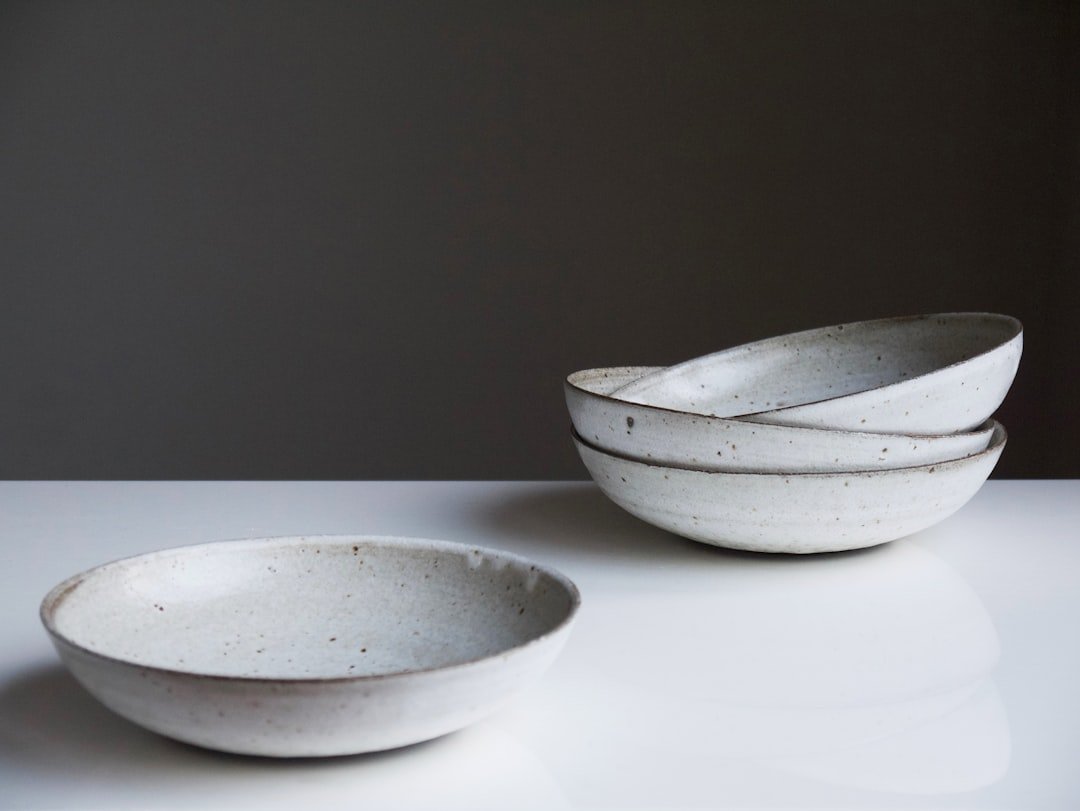
Your cat is avoiding water, and you’re not sure why. The solution isn’t usually more water or a fancier fountain—it’s often the bowl itself. The best cat water dish for whisker fatigue eliminates pressure on your cat’s sensitive whiskers, encouraging them to drink more and stay hydrated. Whisker fatigue is a real condition, and understanding it changes everything about how you approach your cat’s hydration.
What Is Whisker Fatigue and Why It Matters
Cats have incredibly sensitive whiskers. These aren’t decorative—they’re finely tuned sensory organs packed with nerves that help your cat navigate space, assess their environment, and feel comfortable. When whiskers touch the sides of a narrow bowl repeatedly while drinking, it overstimulates these nerve endings. The result? Your cat feels uncomfortable, stressed, or even pain, so they avoid the bowl.
I’ve lived with cats for years, and I didn’t understand whisker fatigue until I noticed my own cat drinking from the bathroom sink instead of her food bowl. Once I switched to wide, shallow bowls, her water intake doubled within a week. She went from avoiding the dish to visiting it naturally throughout the day.
Most people don’t realize whisker fatigue affects more than just drinking—cats with overstimulated whiskers show stress behaviors like excessive grooming, face rubbing, or behavioral changes. Addressing this with the best cat water dish for whisker fatigue isn’t a luxury; it’s part of basic cat care.
| Bowl Type | Whisker Contact Risk | Water Splashing | Cleaning Ease | Best For |
|---|---|---|---|---|
| Narrow ceramic bowl | High—whiskers touch sides constantly | Frequent splashing | Easy | None—avoid this |
| Wide shallow bowl | Minimal—whiskers stay clear | Minimal splashing | Easy | Most cats, all ages |
| Elevated water fountain | Medium—depends on opening size | Varies by model | Moderate | Cats who prefer moving water |
| Stainless steel plate | Very low—open design | High splashing | Very easy | Senior cats, sensitive whiskers |
How to Spot Whisker Fatigue in Your Cat
Does your cat seem to drink less than they should? Watch for behavioral clues. A cat with whisker fatigue often shakes their head after drinking, pulls away from the bowl mid-sip, or drinks with visible hesitation. Some cats resort to drinking from other sources—sinks, bathtubs, or even toilet bowls—to avoid their regular water dish entirely.
I’ve seen so many cat owners misinterpret these signs as pickiness or illness when the real problem sits right in front of them.
Behavioral changes matter too. Cats experiencing whisker discomfort may groom their face excessively, avoid eating from their food bowl (whisker fatigue can affect eating alongside drinking), or show increased stress and hiding. Not all cats react the same way—some tough it out and stay mildly dehydrated rather than face the discomfort.
Why Wide Shallow Bowls Work Better
The geometry is simple. A wide shallow bowl allows your cat to drink without their whiskers touching the sides at all. Their whiskers stay in clear space while their chin and mouth access the water. Compare this to a tall, narrow ceramic bowl where whiskers are pressed against the rim from the moment your cat lowers their head.
You’d think any bowl labeled “wide” would work—it usually doesn’t.
Width matters more than you might expect. The bowl needs to be at least 4 to 5 inches across (verify the exact measurement before ordering based on your cat’s specific whisker spread). Depth should be 1 to 2 inches maximum. Anything deeper turns into a whisker trap no matter how wide it is. Material also affects comfort—ceramic, stainless steel, and BPA-free plastic all work, but avoid anything with rough edges or glazing that can irritate delicate facial skin.
Choosing the Best Cat Water Dish for Whisker Fatigue
Start by measuring. Place a ruler against your cat’s face at whisker level—this shows you the actual spread of their whiskers. Add an inch to that measurement to find the minimum bowl width you need. Different cats have different whisker spans, so a bowl that works for your 8-pound tabby might not suit your larger Maine Coon mix.
Next, check the bowl depth. Shallow is non-negotiable. A deep bowl with a wide opening still causes problems because whiskers bend inward and touch the interior walls as your cat drinks. Look for bowls specifically marketed for reducing whisker fatigue or stress-free drinking.
Material choice depends on your household. Ceramic bowls are aesthetically pleasing and easy to clean, but they break. Stainless steel lasts forever, won’t harbor bacteria, and cleans in seconds. Food-grade silicone bowls are lightweight and collapsible for travel. Avoid plastic bowls that stain, retain odors, or develop rough spots where bacteria hide.
Step-by-Step Guide to Transitioning Your Cat
- Select a wide shallow bowl based on your cat’s whisker measurement. Order or purchase the bowl you’ve chosen.
- Place the new bowl alongside your cat’s current water dish. Don’t remove the old one yet—let your cat explore both options.
- Fill both bowls with fresh water daily. Observe which one your cat gravitates toward over the next 3 to 5 days.
- Once your cat shows a clear preference for the new bowl, reduce water in the old bowl or move it farther away.
- After one week, retire the old bowl completely and maintain only the wide shallow option.
- Monitor your cat’s drinking frequency and overall behavior for changes—increased water consumption and reduced stress behaviors indicate success.
- If your cat doesn’t transition, try a different material or brand; individual cats have strong preferences about texture and appearance.
Here’s where most cat owners give up: they expect instant acceptance. Cats need time to adjust to new feeding equipment. Patience and non-pressure introduction work better than forcing the change.
My Picks for This
- Catit Flower Fountain combines wide, shallow water access with gentle circulation to keep water fresh and oxygenated without overwhelming sensitive whiskers.
- Enamel Coated Steel Wide Shallow Bowl offers durable, whisker-safe design in a simple flat plate style that sits low and wide, perfect for cats who prefer traditional bowls over fountains.
- PetSafe 5-Inch Stainless Steel Dish meets whisker-fatigue standards with adequate width, minimal depth, and materials that resist bacteria and odor absorption.
- Hepper Nom Nom Bowl features whisker-relief geometry in a stylish elevated feeder that suits both water and wet food while reducing strain on your cat’s neck and face.
- Stainless Steel Saucer or Sauce Dish serves as an ultra-simple, ultra-wide option when inverted or used flat—cheap, effective, and handles washing in any dishwasher.
Frequently Asked Questions (FAQ)
Q1. Can whisker fatigue cause serious health problems?
Whisker fatigue itself isn’t dangerous, but the reduced water intake it causes can lead to dehydration, which affects kidney function and overall health. Cats with whisker fatigue often drink less, putting them at higher risk for urinary issues and other dehydration-related problems. Addressing it with the best cat water dish for whisker fatigue prevents these secondary complications.
Q2. How much wider does a bowl need to be?
A good rule is to measure your cat’s whisker spread and add at least one inch. Most adult cats need bowls at least 4 to 5 inches in diameter, but large-breed cats may require 5 to 6 inches. Check the product specifications before purchasing—don’t rely on photos alone, as perspective can be misleading.
Q3. Can elevated feeders help with whisker fatigue?
Elevated feeders help with neck strain, but they don’t automatically solve whisker fatigue. The bowl still needs to be wide and shallow. An elevated feeder combined with whisker-safe bowl design provides the best outcome for most cats.
Q4. Should I use a fountain or a traditional bowl?
Both work if they’re designed correctly—wide, shallow, and whisker-safe. Fountains encourage cats to drink more through movement and sound, which some cats prefer. Others drink fine from a still bowl. Consider your cat’s personality and water-drinking habits. Some cats refuse fountains entirely, making a simple wide bowl the better choice.
Q5. What if my cat still won’t drink from the new bowl?
Try a different material or style. Some cats are texture-sensitive; a cat that refuses ceramic might prefer stainless steel. Others care about color or depth more than expected. Give each new bowl at least one week before deciding it doesn’t work. If drinking behavior doesn’t improve after trying multiple whisker-safe options, consult your veterinarian to rule out underlying health issues affecting appetite and thirst.
Q6. How often should I clean the water bowl?
Daily cleaning is ideal. Water bowls accumulate bacteria, food debris, and saliva quickly. Rinse and refill every 24 hours, or more often if your cat has a habit of leaving food bits or fur in the dish. Stainless steel bowls resist bacteria better than plastic, but all materials benefit from frequent washing.
Q7. Do kittens get whisker fatigue?
Yes, kittens can experience whisker sensitivity just like adults. Younger cats may be even more sensitive because their whiskers are more delicate. Use the best cat water dish for whisker fatigue from the start—establish healthy drinking habits early rather than correcting poor ones later.
Related posts
This post is for informational and general educational purposes only. It does not constitute professional veterinary advice, medical diagnosis, nutritional guidance, or behavioral therapy. Always consult a licensed veterinarian before making decisions about your cat’s health, diet, medication, or treatment — especially if your cat is showing signs of illness, distress, or behavioral changes. Product recommendations on this site are based on general research and owner experience; individual results may vary depending on your cat’s breed, age, weight, and health condition. Prices, product availability, formulations, and specifications are subject to change without notice — always verify current details directly with the manufacturer or retailer before purchasing. Feeding guidelines, portion sizes, and nutritional information referenced in this post are general estimates only and should not replace personalized advice from your veterinarian or a certified feline nutritionist. If your cat is pregnant, nursing, underweight, overweight, or managing a chronic condition, seek professional guidance before changing their diet or care routine. This site may contain affiliate links — if you purchase through our links, we may earn a small commission at no extra cost to you. We only reference products we believe may be genuinely useful, but we encourage you to do your own research before buying.