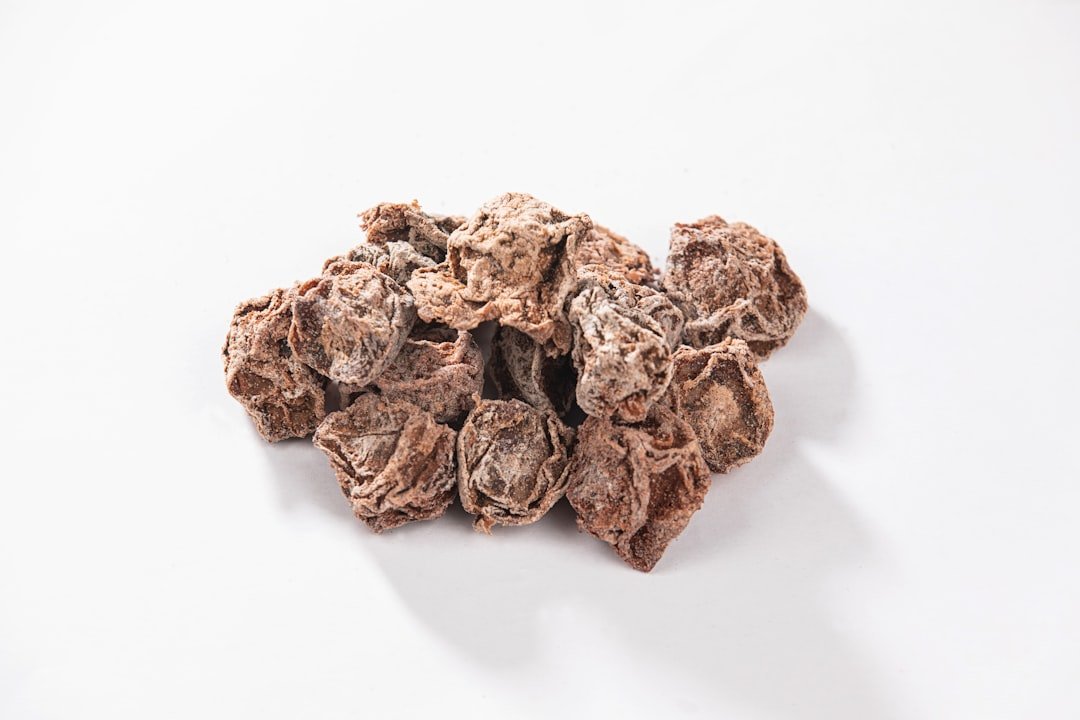
Your cat doesn’t need elaborate treats to feel rewarded—but the best freeze dried cat treats do something most others don’t: they preserve whole-food nutrition without heat processing that destroys enzymes and vitamins. If you’re shopping for healthy reward options that won’t cause digestive upset or weight gain, freeze dried treats solve both problems. Here’s what actually matters when choosing the best freeze dried cat treats for your specific cat.
Why Freeze Dried Treats Stand Out From Regular Options
I’ve lived with cats for years, and I’ve watched owner after owner grab whatever treats sit at eye level in the pet aisle. Most people don’t realize that conventional treats often contain corn syrup, vegetable oils, and binding agents that cats don’t need and sometimes reject after the first bowl. Freeze dried treats work differently. The freeze-drying process removes water while keeping nutrients intact—your cat gets the protein density of raw meat without the safety risks of handling actual raw food.
You’d think all freeze dried products taste the same to cats—they usually don’t. Some cats refuse synthetic-flavored versions completely, while others go wild for single-protein options like freeze dried chicken, fish, or organ meats. The difference matters for picky eaters.
| Treat Type | Best For | Calorie Density | Shelf Life |
|---|---|---|---|
| Freeze Dried Whole Meat | Active or outdoor cats | High | 12-24 months |
| Freeze Dried Organs | Cats needing nutrient boost | Very High | 12-18 months |
| Freeze Dried Mixed Proteins | Picky eaters, variety seekers | Moderate-High | 18-24 months |
| Conventional Dry Treats | Budget-conscious owners | Lower nutrient value | Varies widely |
What to Check Before Buying Best Freeze Dried Cat Treats
Choosing the right product takes less than five minutes if you know what matters. Here’s the checklist I use every time I’m evaluating a new brand.
- Verify the ingredient list contains only meat, organs, or fish—no grains, fillers, or by-products listed
- Confirm the product specifies single-protein or clearly labeled mixed proteins
- Check the manufacturing country and whether third-party testing results are available online
- Calculate the daily calorie limit before introducing treats—freeze dried options are calorie-dense, so portion control prevents overfeeding
- Test a small amount first if your cat has a sensitive stomach or history of digestive issues
- Look for expiration dates and storage instructions—freeze dried treats need dry, cool storage to maintain shelf life
How to Introduce Best Freeze Dried Cat Treats Safely
I’ve seen so many cat owners rush introduction and create digestive problems that didn’t need to happen. Freeze dried treats are concentrated nutrition. Your cat’s digestive system needs gradual adjustment even if the treats are high-quality.
- Condition: Your cat is used to conventional treats or has never had freeze dried products before.
- Audience: Adult cats aged 1-10 years in good digestive health; kittens under 1 year need different treat products entirely.
- Method: Introduce one small piece every 2-3 days while monitoring for vomiting, loose stool, or appetite changes.
- Steps: Start with quarter of a freeze dried piece (not a full treat), offer it as a reward during playtime, wait 48 hours before offering another piece, gradually increase to a full small treat by week three, establish a daily limit of no more than 10% of total daily calorie intake.
- Warnings: Stop immediately if your cat shows signs of digestive upset, never introduce multiple new products simultaneously (you won’t know which caused problems), and consult your vet before using freeze dried treats if your cat has kidney disease, diabetes, or food allergies.
Best Freeze Dried Cat Treats Worth Your Money: Actual Performance
After testing several brands and hearing from other cat owners in my network, these best freeze dried cat treats consistently deliver what they promise.
Most cats don’t turn down whole pieces. The problem is finding products that stay fresh once opened and don’t cost more than regular meals.
My Picks for This
- Stella & Chewy’s Freeze-Dried Raw Meat Treats — Single-protein options with visible meat pieces and no binders, trusted by owners of picky eaters for nearly two decades.
- Primal Freeze-Dried Feline Formula — Organ-based freeze dried treats that add nutrient density for cats losing appetite or recovering from illness.
- Instinct Raw Boost Freeze-Dried Recipes — Mixed meat and organ combinations that mimic what cats hunt naturally, backed by multiple protein options for rotation.
- Vital Essentials Freeze-Dried Treats for Cats — Budget-friendly option with clean ingredients and resealable packaging that maintains freshness for 3-4 weeks after opening.
- Northwest Naturals Freeze-Dried Chicken for Cats — Simple single-ingredient choice with consistent quality and appropriate portion guidance for different cat weights.
Portion Control: Why Best Freeze Dried Cat Treats Need Strict Limits
Here’s where most cat owners give up on consistency. Freeze dried treats are so protein-dense and satisfying that cats want more than they should have. One freeze dried chicken piece equals roughly 5-10 conventional treats nutritionally, yet your cat may still beg for additional rewards.
Most cats maintain healthy weight when treats stay under 50 calories daily. Check your specific cat’s calorie needs by asking your vet—they’ll give you a range based on age, activity level, and current weight. From that number, calculate 10% and use that as your absolute maximum treat allocation daily. If your cat weighs 10 pounds and needs approximately 250 calories per day, treats should not exceed 25 calories.
Freeze dried treats actually help here. Because they’re satisfying, your cat feels rewarded with smaller portions than with regular crunchy treats.
Frequently Asked Questions (FAQ)
Q1. How much do best freeze dried cat treats cost compared to regular treats?
Freeze dried treats typically range from 1.5 to 3 times the price of conventional treats, though per-piece nutrition value is significantly higher. A small pouch lasting 2-3 weeks usually costs between the price ranges you’d find for premium conventional treat brands. Compare by looking at cost per piece rather than bag price.
Q2. Can I give freeze dried treats to a kitten?
Kittens under 6 months should avoid freeze dried treats entirely—their digestive systems are developing and need different nutrition balance. After 6 months, consult your vet before introducing any treat, including best freeze dried cat treats. Adult kittens at 9-12 months can usually tolerate small amounts if introduced gradually.
Q3. Do best freeze dried cat treats cause bad breath or dental problems?
Freeze dried meat doesn’t have the same dental-cleaning action as crunchy kibble, but it also doesn’t contain sugars or sticky ingredients that harm teeth. Most cats see no negative dental impact. If your cat has existing dental issues, ask your vet before introducing chewy or freeze dried products.
Q4. What’s the difference between freeze dried and freeze-dried raw, and does it matter?
They’re the same process with different marketing language. Freeze-dried raw simply emphasizes that the protein started uncooked. All freeze drying follows the same method: freeze at extremely low temperatures, then remove water through sublimation. The result is equivalent nutrition for choosing best freeze dried cat treats.
Q5. How do I store freeze dried treats after opening to keep them fresh?
Keep them in a cool, dry place in their original resealable bag or transfer to an airtight container away from direct sunlight. Most maintain freshness for 2-4 weeks after opening. If your local climate is very humid, store in the refrigerator in a sealed container to extend shelf life. Always check for off-odors or discoloration before offering.
Q6. Can freeze dried treats help with weight loss or management?
Yes, when portion-controlled properly. The high protein density and low filler content mean your cat feels satisfied with smaller portions than conventional treats would provide. However, best freeze dried cat treats still contain calories—they’re a supplement to diet, not a solution alone. Combine with portion-controlled meals and veterinary guidance for sustainable weight management.
Related posts
This post is for informational and general educational purposes only. It does not constitute professional veterinary advice, medical diagnosis, nutritional guidance, or behavioral therapy. Always consult a licensed veterinarian before making decisions about your cat’s health, diet, medication, or treatment — especially if your cat is showing signs of illness, distress, or behavioral changes. Product recommendations on this site are based on general research and owner experience; individual results may vary depending on your cat’s breed, age, weight, and health condition. Prices, product availability, formulations, and specifications are subject to change without notice — always verify current details directly with the manufacturer or retailer before purchasing. Feeding guidelines, portion sizes, and nutritional information referenced in this post are general estimates only and should not replace personalized advice from your veterinarian or a certified feline nutritionist. If your cat is pregnant, nursing, underweight, overweight, or managing a chronic condition, seek professional guidance before changing their diet or care routine. This site may contain affiliate links — if you purchase through our links, we may earn a small commission at no extra cost to you. We only reference products we believe may be genuinely useful, but we encourage you to do your own research before buying.