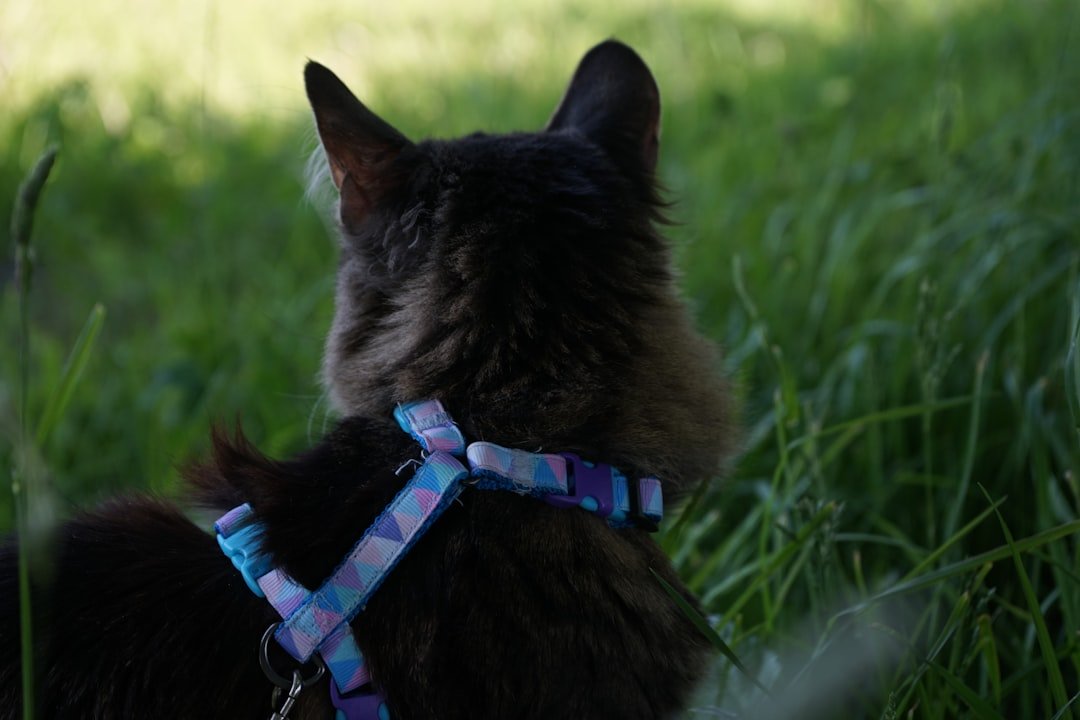
If you’re ready to let your cat explore outside safely, the best cat harness for walking is your most important investment. Choosing wrong means a harness your cat escapes from, refuses to wear, or that causes discomfort during training. This post cuts through the confusion and shows you exactly what works, how to fit it properly, and which models actually deliver on their promises.
Quick Comparison: Best Cat Harness for Walking Options
| Harness Type | Best For | Escape Risk | Comfort Level |
|---|---|---|---|
| H-style harness | Larger cats, outdoor veterans | Low | Good weight distribution |
| Figure-8 harness | First-time walkers, sensitive cats | Very Low | Minimal pressure points |
| Vest-style harness | Escape artists, anxious breeds | Very Low | Full-body support |
| Step-in harness | Calm cats, quick walks | Moderate | Variable by design |
What You Need to Know Before Buying the Best Cat Harness for Walking
Most people don’t realize that a harness that fits perfectly at the pet store might be completely wrong for your cat at home. Your cat’s behavior changes when they’re in a new space, stressed, or excited. I’ve lived with cats for years and watched dozens of owners buy expensive harnesses only to discover their cat can slip out of them within minutes.
The best cat harness for walking must fit snugly enough that two fingers can slide underneath the straps, but loose enough that your cat can breathe and move naturally. If you can pull the harness away from your cat’s body, it’s too loose. If your cat can’t move their front legs freely or seems to be gasping, it’s too tight.
You’d think escape-proof harnesses would simply be tighter—they usually aren’t. Instead, better designs use multiple anchor points, wider chest plates, and adjustable belly straps that work together. A vest-style harness distributes pressure across your cat’s entire torso rather than concentrating it at the neck and shoulders, which is why escape artists and anxious cats respond so much better to them.
Understanding Harness Styles
H-style harnesses have two loops connected by straps across the chest and back. They’re lightweight and work well for cats already comfortable with handling. Figure-8 designs create a single loop around the torso without separate neck and belly sections. Vest-style harnesses cover the entire chest and belly, offering maximum security for determined escapers. Step-in models require your cat to step through openings rather than pulling them over the head—this appeals to cats that resist going over their ears. Each style serves different cats.
How to Fit Your Best Cat Harness for Walking Correctly
- Measure your cat’s chest circumference at the widest point using a soft measuring tape, recording the measurement in both centimeters and inches to match package guidelines.
- Choose a harness sized for your cat’s exact weight range—never size up expecting your cat to grow into it, as this creates escape gaps immediately.
- Put the harness on your cat in a calm environment before attempting any walks, allowing them to investigate the sensation indoors first.
- Adjust all straps so you can fit exactly two fingers underneath without forcing them—this is the sweet spot between security and comfort.
- Check the fit around the neck, chest, belly, and hindquarters separately, as one area being too loose compromises the entire system.
- Test the harness for three to five minutes while your cat is calm, then remove it and praise your cat heavily with treats or playtime.
- Gradually increase wearing time indoors over several days before attaching a leash or venturing outside—here’s where most cat owners give up because their cat seems resistant at first.
This is the part that actually matters: if your cat can slip a paw out or rotate inside the harness during indoor testing, adjust it before ever stepping outside.
Training Your Cat to Walk Comfortably with the Best Cat Harness for Walking
Training demands patience that most cat owners drastically underestimate. Your cat didn’t evolve expecting to walk on a leash. During the first week, your cat will likely freeze, flop dramatically, or try every escape technique in their arsenal. Don’t interpret this as failure—interpret it as normal adjustment.
Start indoors with short sessions. Attach the leash while your cat is wearing the harness but keep it loose—no tension, no guidance, just presence. Let your cat move around the house freely while wearing both. Most cats stop resisting the equipment after two or three sessions of realizing nothing dangerous happens. Try this instead of forcing walks: spend five minutes daily letting your cat become bored by the harness rather than excited by it.
Move to a quiet outdoor space only after your cat walks confidently indoors without attempting escape or freezing. A secure balcony or enclosed patio works perfectly. Let your cat set the pace entirely. Don’t pull on the leash. When your cat stops to sniff something, let them sniff. When they want to move, follow them. Your role is keeping them safe, not directing them.
Checklist: Before You Buy Any Best Cat Harness for Walking
- Does your cat have a current microchip and ID collar as backup identification?
- Have you verified your cat is fully vaccinated, especially if outdoor walking might increase exposure?
- Does your cat have any medical conditions, anxiety issues, or behavioral problems that might make harness walking complicated?
- Have you measured your cat’s chest, neck, and girth to match the exact sizing chart from the manufacturer?
- Does the harness design match your cat’s personality—does your cat escape from things, dislike restrictions, or have a calm temperament?
- Can you commit to at least two weeks of indoor training before any outdoor walks?
- Does your cat have access to appropriate outdoor spaces that aren’t high-traffic, unsafe, or extremely stressful?
My Picks for This
- Catit Voyager Adjustable Harness with Leash — The vest-style design offers multiple adjustment points and excellent escape-proofing without requiring sizing between models, making it ideal for growing kittens or cats with variable builds.
- PetSafe Come With Me Kitty Harness and Bungee Leash — The figure-8 design provides a secure fit with minimal pressure on the neck, and the bungee leash absorbs sudden movements that might startle anxious cats during their first outdoor sessions.
- Kitty Holster Harness — Designed specifically for feline anatomy, this vest-style option uses a no-slip design that prevents rotation and escape, perfect for cats that seem to defy traditional harness systems.
- RYPET Adjustable Cat Harness — The lightweight mesh construction allows maximum airflow while providing full-body coverage, especially useful for outdoor walks in warm climates where cats might overheat in heavier materials.
Frequently Asked Questions (FAQ)
Q1. How much should I expect to spend on a quality harness for my cat?
Quality cat harnesses range from approximately 15 to 50 dollars depending on materials, design complexity, and brand reputation. Vest-style options with multiple adjustment points typically cost more than simple figure-8 designs. Don’t assume the most expensive option is the best fit for your cat—many mid-range harnesses perform identically to premium alternatives.
Q2. Can kittens wear the best cat harness for walking?
Kittens older than 8 weeks can wear appropriately sized harnesses designed for young cats. Choose adjustable models rather than fixed sizes, since kittens grow rapidly. Start training extremely young kittens to harnesses increases their comfort with the process as adults, though never leave a harness on unsupervised kittens who might catch straps on objects.
Q3. What’s the difference between a cat harness and a dog harness?
Cat harnesses are specifically designed for the feline body shape, spine flexibility, and escape instincts. Dog harnesses positioned on cats create pressure in the wrong areas and typically slip off. Never substitute a dog harness for a cat-specific version, even if the sizes seem similar.
Q4. How do I know if my cat is too stressed to walk on a harness?
Signs of excessive stress include drooling, trembling, crying continuously, complete refusal to move after several training sessions, or attempting self-injury while escaping. These cats may benefit from consulting your veterinarian about anxiety medication before pursuing outdoor walks. Some cats simply aren’t suited for harness walking, and that’s okay.
Q5. Should I leave the best cat harness for walking on my cat indoors when I’m home?
Remove the harness indoors after walks and training sessions. Cats can catch claws or straps on furniture, toys, or other cats during play. Harnesses should be put on specifically for outdoor activities or indoor training, then removed immediately afterward.
Related posts
This post is for informational and general educational purposes only. It does not constitute professional veterinary advice, medical diagnosis, nutritional guidance, or behavioral therapy. Always consult a licensed veterinarian before making decisions about your cat’s health, diet, medication, or treatment — especially if your cat is showing signs of illness, distress, or behavioral changes. Product recommendations on this site are based on general research and owner experience; individual results may vary depending on your cat’s breed, age, weight, and health condition. Prices, product availability, formulations, and specifications are subject to change without notice — always verify current details directly with the manufacturer or retailer before purchasing. Feeding guidelines, portion sizes, and nutritional information referenced in this post are general estimates only and should not replace personalized advice from your veterinarian or a certified feline nutritionist. If your cat is pregnant, nursing, underweight, overweight, or managing a chronic condition, seek professional guidance before changing their diet or care routine. This site may contain affiliate links — if you purchase through our links, we may earn a small commission at no extra cost to you. We only reference products we believe may be genuinely useful, but we encourage you to do your own research before buying.