Your cat is shredding through scratching posts like paper towels. The best scratching post for heavy scratchers isn’t just taller or wider—it needs the right construction and material to survive daily assault. If your cat claws through standard posts in a matter of weeks, you’re looking at the wrong product entirely, and this guide will show you exactly what works.
Why Heavy Scratchers Need Different Solutions
Most people don’t realize that heavy scratchers and casual scratchers need completely different posts. A light scratcher uses the post a few times daily. Heavy scratchers attack their post for 10, 15, sometimes 20 minutes straight, multiple times every single day. That’s not normal wear—that’s structural stress.
Your cat isn’t being destructive out of spite. Scratching is how cats maintain claw health, mark territory, and manage stress. But some cats—particularly larger breeds, anxious cats, or those with outdoor access previously—scratch with intensity most posts cannot handle. The best scratching post for heavy scratchers accounts for this intensity from the ground up.
I’ve lived with cats for years, and I can tell you the difference is immediately obvious.
| Feature | Light Scratchers | Heavy Scratchers |
|---|---|---|
| Post Height | 24-30 inches | 32-48 inches |
| Base Weight | 8-15 lbs | 20-35 lbs |
| Wrapping Material | Jute or sisal blend | Durable sisal models with 5-8mm thickness |
| Expected Lifespan | 12-18 months | 24-36 months with quality sisal |
What Makes Durable Sisal Models Stand Out
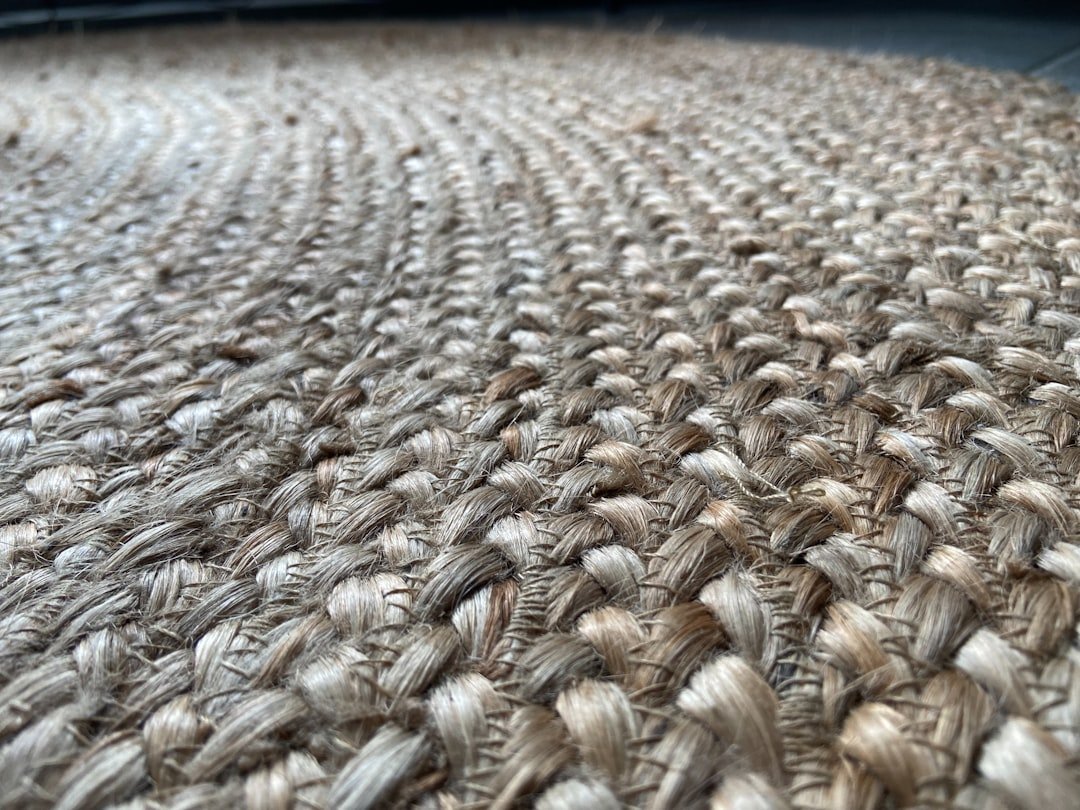
Sisal rope is the gold standard for cats that actually scratch. Unlike jute, which shreds quickly and leaves fibers everywhere, sisal holds up under repeated claw strikes. But not all sisal is created equal. Thickness matters enormously. Thin 2-3mm sisal wrapped around posts frays within months. Dense, thick durable sisal models—typically 5-8mm—can last years even with the most aggressive scratchers.
You’d think the post material alone determines durability—it usually doesn’t.
The base construction matters just as much as the wrapping. A heavy scratcher creates rotational force that tears through weak bases. Posts must weigh enough to stay grounded during intense scratching sessions. I’ve seen so many cat owners buy tall posts that wobble during use—cats stop using them immediately because the instability feels unsafe. A properly weighted base combined with durable sisal models means the post will still be standing and looking decent two years from now.
Before You Buy: The Essential Checklist
- Measure your cat’s full stretch height and add 6-12 inches to your minimum post requirement
- Weigh the post yourself—if it’s under 18 pounds and your cat is over 10 pounds, it’s not stable enough
- Check sisal rope thickness by examining product photos closely or requesting specific measurements from the seller
- Verify the base is solid wood or reinforced platform, not thin plywood that flexes when weight is applied
- Look for replacement sisal wrapping availability in case you need to refresh the post
- Test stability by physically pushing on the post before purchasing if possible, or read detailed owner reviews about wobbling
Finding the Best Scratching Post for Heavy Scratchers: Step by Step
Condition: You have a cat that scratches aggressively, multiple times daily, and has destroyed or will soon destroy a standard scratching post.
Audience: Cat owners aged 25-50 who understand cat behavior and want a real solution rather than a replacement every year.
Method: Evaluate posts on structural integrity, material quality, and real-world durability data rather than marketing claims.
- Measure your cat’s stretch height in inches and add 8 inches minimum—this is your target post height
- Visit retailer sites and filter posts for sisal material and weight of 20 pounds or higher
- Read verified owner reviews specifically mentioning heavy scratchers or destructive cats—look for mentions of post condition after 12+ months of use
- Check the post photos for sisal rope color consistency, which indicates newer or higher-quality wrapping
- Verify customer service offers sisal replacement kits or rewrapping services for future maintenance
- Calculate the cost-per-month over an expected 24-36 month lifespan to compare value against cheaper alternatives
- Place your order and monitor your cat’s scratching behavior for the first two weeks to confirm acceptance
Here’s where most cat owners give up: they buy based on appearance rather than material specs. Spend ten minutes reading the product details for sisal thickness, rope diameter, and base construction. This is the part that actually matters.
My Picks for This
- SmartCat Ultimate Scratching Post features sisal rope engineered for heavy scratchers, offers replacement rope kits, and customers report the post remains stable even after three years of continuous heavy use.
- Armarkat Classic Cat Tree combines multiple scratching surfaces with 7mm sisal rope and a weighted base that prevents tipping during intense scratching sessions.
- Oster Mountain 50 Inch Cat Tree provides maximum height for full stretching, thick sisal wrapping throughout, and solid construction that handles the most aggressive scratchers without wobble.
- Frisco 52-Inch Heavy Duty Sisal Rope Cat Tree includes durable sisal models throughout the structure, multiple scratching angles, and a base weight sufficient for cats over 15 pounds.
- Catville Large Cat Tree with Premium Sisal offers 8mm sisal rope thickness, reinforced wooden frame, and design specifically rated for heavy-scratching breeds including Maine Coons and Bengals.
Frequently Asked Questions (FAQ)
Q1. How much should I expect to spend on the best scratching post for heavy scratchers?
Quality posts designed for heavy scratchers typically range from 100 to 250 in your local currency, depending on height, base weight, and brand. Budget toward the higher end if your cat is particularly large or aggressive. Less expensive posts frequently require replacement within 12-18 months, making expensive, durable options more cost-effective over time.
Q2. Can I use a durable sisal model for both light and heavy scratchers?
Yes. Heavy-duty posts work perfectly for all scratching intensity levels. Your light scratcher will enjoy it just as much as a heavy scratcher would. You’re simply ensuring the post outlasts your cat’s scratching needs rather than replacing it repeatedly.
Q3. What’s the difference between sisal rope and sisal rope mixed with jute?
Pure sisal is more durable and longer-lasting. Blends with jute are cheaper but fray faster because jute fibers break down more quickly under claw pressure. For heavy scratchers, stick with 100% sisal or sisal-primary wraps with minimal jute content.
Q4. My cat won’t use the new post I bought. What should I do?
Place the post directly near where your cat currently scratches, such as near furniture or a favorite corner. Sprinkle catnip on the sisal or use a catnip spray. Most cats need 3-7 days to accept a new scratching surface. If your cat continues refusing the post after two weeks, try different scratching angles by repositioning it, or contact the retailer about returning it for a different style.
Q5. How often do I need to replace the sisal wrapping on the best scratching post for heavy scratchers?
With heavy scratchers, expect to refresh or rewrap sisal every 24-36 months depending on scratching intensity. Some posts offer replacement sisal rope kits you can apply yourself, while others require professional rewrapping. Check availability of replacement parts before purchasing the post itself.
Q6. Should I buy a multi-level cat tree or a single-post design for heavy scratchers?
Multi-level trees offer more scratching surfaces, which distributes wear across more area and extends the lifespan of each section. Single posts concentrate all scratching in one spot and wear through faster. For heavy scratchers, multi-level designs are often the better long-term investment.
Related posts
This post is for informational and general educational purposes only. It does not constitute professional veterinary advice, medical diagnosis, nutritional guidance, or behavioral therapy. Always consult a licensed veterinarian before making decisions about your cat’s health, diet, medication, or treatment — especially if your cat is showing signs of illness, distress, or behavioral changes. Product recommendations on this site are based on general research and owner experience; individual results may vary depending on your cat’s breed, age, weight, and health condition. Prices, product availability, formulations, and specifications are subject to change without notice — always verify current details directly with the manufacturer or retailer before purchasing. Feeding guidelines, portion sizes, and nutritional information referenced in this post are general estimates only and should not replace personalized advice from your veterinarian or a certified feline nutritionist. If your cat is pregnant, nursing, underweight, overweight, or managing a chronic condition, seek professional guidance before changing their diet or care routine. This site may contain affiliate links — if you purchase through our links, we may earn a small commission at no extra cost to you. We only reference products we believe may be genuinely useful, but we encourage you to do your own research before buying.