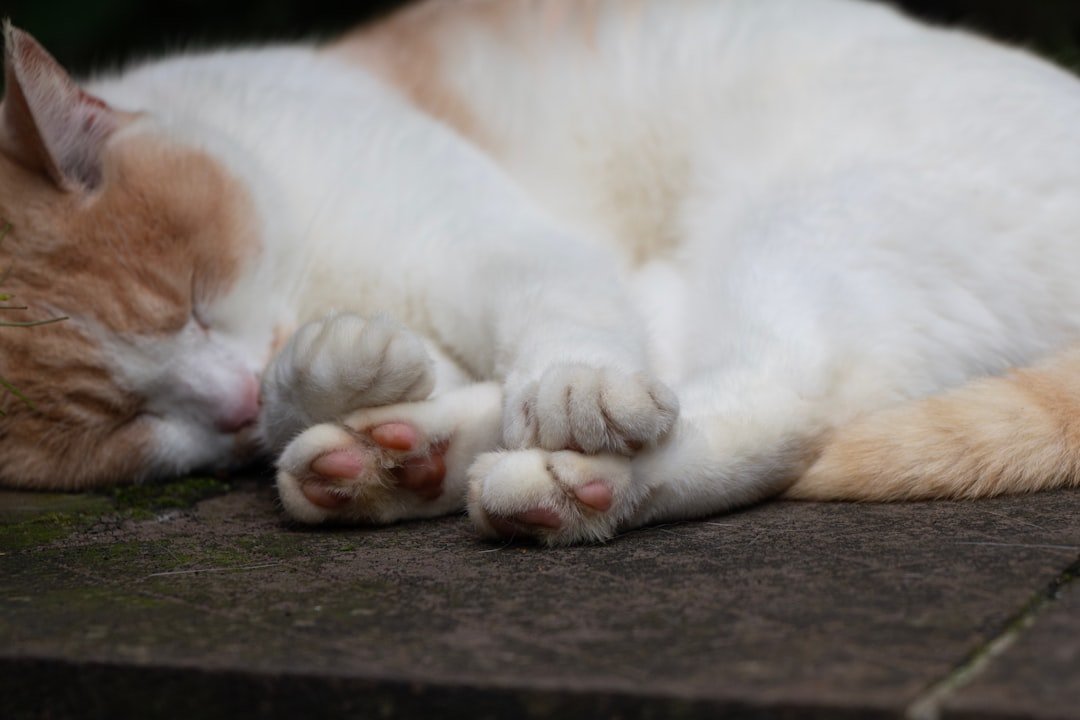
A cat limping on one leg no injury you can see may still have pain in the paw, joint, muscle, or elsewhere in the body. Keep your cat indoors, limit jumping, and watch closely. Do not wait casually. If you are searching for cat limping on one leg no injury, the safest approach is to check for urgent warning signs first, then arrange veterinary advice if the limp does not quickly improve or your cat seems uncomfortable.
When cat limping on one leg no injury is urgent
Some limps need veterinary care the same day, even when the leg looks normal. Cats are very good at hiding pain, and a small puncture, nail problem, joint injury, or bite wound may not be easy to spot beneath fur. Act sooner. Call a veterinarian promptly if your cat will not place the foot on the floor, cries or growls when moving, suddenly cannot jump or walk normally, or has a limp that appeared after a fall, rough landing, or possible outdoor fight.
Seek urgent veterinary help if you see active bleeding, an open wound, a limb held at an unusual angle, rapid swelling, or a paw that feels noticeably colder than the other paw. A cat that is also struggling to breathe, very weak, hiding and unresponsive, vomiting repeatedly, or unable to use the litter box needs prompt professional assessment. These signs matter. The limp may be only one part of a bigger problem.
A kitten, senior cat, or cat with known health concerns deserves a lower threshold for calling. So does a cat that spends time outdoors, since punctures and bite wounds can be tiny at first yet become painful later. Outdoor injuries are easy to miss. If you are unsure whether your cat can bear weight normally, take a brief video of the walk for the veterinary clinic.
Signs to monitor at home
If your cat is otherwise bright, eating, drinking, and walking on the leg at least a little, you can monitor carefully for a short period while you contact your regular clinic for guidance. Keep the observation simple. Check your cat when resting and again after walking a few steps, since some cats look comfortable while lying down but show a clear limp when they put weight on the leg.
- Whether your cat is putting any weight on the leg, toe-touching, or holding it completely up.
- Whether the limp is getting better, staying the same, or becoming more obvious over several hours.
- Changes in appetite, water intake, grooming, sleep, hiding, or willingness to interact.
- Reluctance to climb stairs, jump onto furniture, use a scratching post, or enter a high-sided litter box.
- Excessive licking or chewing at one paw, leg, hip, or shoulder.
- Swelling, warmth, redness, a broken claw, a split nail, a pad cut, or debris between the toes.
- Changes in litter box habits, including avoiding the box because getting in hurts.
Write down what you notice and when it started. A few details help. For example, “Milo began favoring the left front leg after breakfast, still eats normally, and puts the paw down briefly” gives the clinic more useful information than “he is limping.” Include whether the limp followed play, a jump, a door closing nearby, or time outdoors.
Take one or two short videos on a non-slip floor if your cat tolerates it. Film from the side and behind while your cat walks naturally toward a treat or meal. Keep it brief. Do not chase your cat around the house to get a better recording, because extra movement can make soreness worse.
A gentle check you can do safely
Choose a quiet time when your cat is calm, and stop immediately if they pull away, hiss, bite, or become distressed. Pain can make even a normally gentle cat react defensively. Give space. You are looking for obvious problems, not trying to find the exact cause.
- Watch your cat walk before touching anything. Notice which leg is affected and whether the limp is constant or only appears after movement.
- Compare the two paws visually. Look at the pads, between the toes, and each claw for litter, string, thorns, torn nails, or swelling.
- Look along both legs without pressing hard. Check for visible cuts, puffiness, wet fur, blood, or a spot your cat keeps licking.
- Gently rest your hand near the shoulder, hip, and leg only if your cat accepts it. Compare warmth and size with the other side, but do not bend joints or test range of motion.
- Check the resting area and nearby floors for anything that may explain the limp, such as a snagged nail cover, a dropped object, or a small spot of blood.
Do not massage a painful leg, pull on a paw, wrap it yourself, or try to straighten anything that looks unusual. Avoid home splints. A poorly placed bandage can restrict circulation, irritate skin, or make it harder for a veterinarian to examine the area.
Also, never give human pain relievers such as acetaminophen, ibuprofen, aspirin, or naproxen unless a veterinarian has specifically prescribed a product and dose for your individual cat. These medications can be dangerous for cats. Put them away. Veterinary pain relief is selected according to the cat’s weight, health history, and the suspected problem.
How to make home rest easier
Until you have spoken with a veterinarian or the limp has clearly resolved, set up a small, calm area where your cat does not need to jump. A bedroom or quiet room often works well. Keep necessities close. Put food, water, bedding, and a low-entry litter tray on the same floor.
Block access to tall cat trees, window perches, shelves, and stairs if possible. If your cat normally sleeps on your bed or sofa, place a familiar blanket or bed at floor level instead. Do not force confinement in a carrier for long periods unless a veterinary professional tells you to do so. Many cats become stressed. A quiet room usually allows safer, more natural movement.
Use rugs or yoga mats on slippery floors so your cat has better footing when walking. Keep other pets and energetic children away for a while, particularly if play tends to become rough. Calm is useful. Rest reduces the chance that a minor strain becomes more painful through repeated jumping and sprinting.
When to book a veterinary visit
Contact your veterinarian if the limp lasts beyond a day, returns repeatedly, or is not clearly improving with quiet rest. A limp that comes and goes still deserves attention, especially when it affects the same leg more than once. Recurrent pain is not normal. Your clinic may advise an examination sooner based on your cat’s age, activity, and other signs.
Book an appointment promptly if your cat is eating less, hiding more, resisting touch, or acting unlike themselves, even if they can still walk. A limp can come from a problem higher up the leg, in the hip, or in the back, so the sore-looking paw is not always the source. Do not assume. A veterinarian can assess gait, joints, paws, nails, and overall comfort in a way that is difficult to do safely at home.
If your cat has gone outside recently, mention that when you call. A bite or puncture may close over quickly, while swelling and discomfort can appear later. Check daily. The same applies if your cat may have been caught in a closing door, fallen from furniture, or slipped on a floor.
FAQ
Can a cat limp from sleeping awkwardly?
A cat may occasionally look stiff after resting in an odd position, especially after a long nap or a burst of hard play. It should pass quickly. If the limp continues after your cat has moved around, returns later, or changes how they walk, call your veterinary clinic for advice.
Should I keep my limping cat in a crate?
Usually, a quiet small room is less stressful and still limits jumping. Keep things low. A crate may be appropriate for transport or when a veterinarian specifically recommends strict confinement, but it is not a default solution for every mild limp.
What if my cat lets me touch the leg?
That is reassuring only in a limited way. Cats may tolerate touch despite discomfort, and pain can be deeper in a joint or soft tissue where you cannot see it. Watch the walk. Continued limping still warrants veterinary guidance.
Can I wait until tomorrow to call the vet?
If your cat is comfortably placing weight on the leg, acting normally, and has no urgent signs, monitoring overnight may be reasonable while keeping activity low. Use judgment. If the limp is severe, worsening, or paired with reduced appetite, hiding, swelling, or obvious pain, call sooner.
Related posts
This post is for general informational purposes only and is not veterinary advice. Every cat is different — if you have concerns about your cat’s health or behavior, please consult a qualified veterinarian.