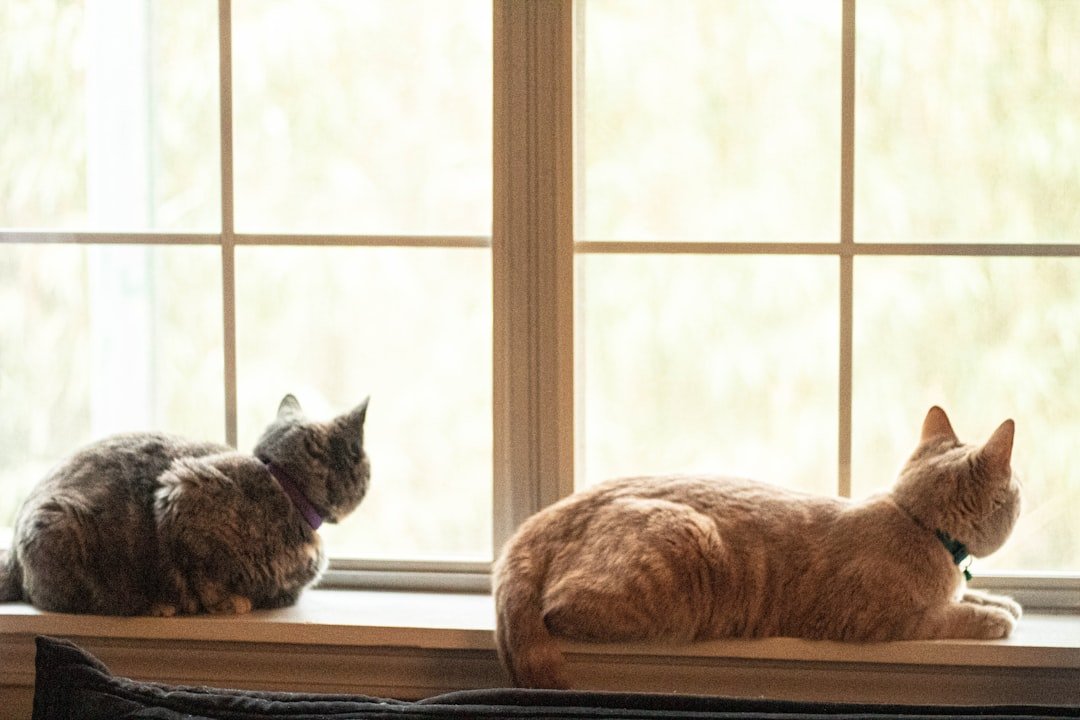
Measure your open window first. In the usual cat window perch vs cat tree decision, choose a secure window perch if you have one cat, limited floor space, and a window with a pleasant view. It gives your cat a raised resting spot while leaving the room easier to walk through, clean, and arrange. A cat tree wins when your cat needs a reliable climbing outlet, shares the home with another cat, or has no safe window location available. Start with the room your cat already uses.
Cat window perch vs cat tree for space saving
A window perch is the clear pick for the most common small-home setup. It uses vertical space that was already there, and it can turn a window into a useful cat zone without placing a large base in the middle of your living room or bedroom. Floor space matters. A standard cat tree may offer more activities, but its footprint can interfere with doors, furniture, vacuuming, and the route people use every day.
That does not mean every window perch is automatically a good purchase. The perch needs a suitable window, a strong attachment method, and enough room for your cat to lie down comfortably. Check the basics first. A perch fitted to a weak frame, dirty glass, loose sill, or narrow ledge can become frustrating or unsafe, especially when a cat jumps onto it with enthusiasm.
| Factor | Window perch | Cat tree |
|---|---|---|
| Floor space | Usually uses none | Needs a dedicated footprint |
| Best for | One cat that likes watching outside | Active cats and multi-cat homes |
| Climbing opportunities | Usually limited | Often has several levels |
| Window access | Built around it | Depends on where you place it |
| Cleaning | Smaller cover or pad | More carpeted surfaces and posts |
| Stability check | Mounting and weight rating matter | Base width and wobble matter |
Why a window perch suits most small homes
Cats often choose elevated spots because height gives them a quiet view of the room and the outdoors. A window perch meets that preference in a compact way. The view is the draw. Birds, moving leaves, passersby, and changing daylight can hold a cat’s attention without you needing to add another bulky item to the room.
A good perch can also make better use of a room that already has furniture along the walls. In a studio, small flat, or compact house, floor space is often needed for a sofa, desk, litter box location, or clear walking paths. A tall cat tree can fit in some corners, but it still claims that corner permanently. A perch leaves the floor free beneath it.
There is a cleaning advantage too. Most window perches have a removable fabric cover, pad, or shallow bed that is simpler to shake out or wash than a full carpeted tree. Less surface area helps. This is especially useful if your cat sheds heavily or tracks litter onto favorite sleeping places.
Choose a perch with a sleeping surface that fits your cat’s normal resting style. A cat that curls tightly may be content in a smaller hammock-style model, while a long-bodied cat that stretches out needs a wider platform or a deeper shelf. Watch where your cat sleeps now. Their existing habits tell you more than a product photo does.
When a cat tree is the better choice
Pick a cat tree when climbing is the main need, rather than window watching. A tree with multiple platforms gives an energetic cat places to jump, pause, scratch, and change direction indoors. That matters. A single window perch is usually one destination, while a tree can create a whole vertical route.
A cat tree is often the stronger choice for two cats that like sharing the same room, even if they are friendly. One perch can become a valuable spot because the view is good and the bed is limited. Two cats may take turns peacefully, but they may also crowd each other or block access. Separate resting levels reduce that pressure without asking either cat to give up the high ground.
It also wins when your windows are impractical. Perhaps the sill is too narrow, the glass is textured, the window opens inward, the frame is loose, or the only sunny window is beside a busy entrance. Do not force the setup. A stable tree placed near, rather than on, a suitable window can still give your cat a view and a safe elevated place.
Older cats and cats with limited jumping confidence may also prefer a tree with broad, closely spaced platforms or a low step-up design over a high hammock perch. Keep access easy. This is about observing what your individual cat uses comfortably, not assuming every cat wants the tallest available spot.
Compare the space you actually have
Do not compare products only by height. Measure the usable area around them. A cat tree’s listed base size can look modest online, yet the room also needs space for your cat to step onto it, turn around it, and jump down without landing on a table, fragile object, or a narrow passage.
Use a piece of painter’s tape or a flattened box to mark the tree’s base on the floor before buying. Leave a little clearance. Walk past it at your normal pace, open nearby doors, pull out chairs, and run the vacuum through the area. If it feels annoying before the tree arrives, it will probably feel worse once the cat claims it.
For a window perch, measure the width of the window area and the distance to nearby furniture. Check for curtains and cords. A perch may need clear glass for suction cups, a wide sill for brackets, or a frame shape that accepts a clamp. Product instructions matter here, so read the manufacturer’s fitting requirements before ordering.
Also think about where your cat will launch from. Many cats jump onto a perch from a chair, sofa arm, radiator cover, or the floor. That approach should be unobstructed and stable. A clear landing zone helps. Avoid positioning a perch above a fragile lamp, a stack of books, or a surface that can slide when your cat uses it.
Choose the right type of window perch
Window perches generally fall into a few practical styles. Suction-mounted hammock perches attach directly to clean glass and tend to look light and unobtrusive. Sill-mounted shelves rest on the window ledge and may use brackets or supports. Clamp-style options attach to parts of the frame or sill, depending on the design.
Each style needs its own check. Suction models depend on clean, smooth glass and properly seated cups, while sill shelves depend on the ledge and support structure holding steady. Follow the stated weight limit. The limit should include your cat’s full weight and the force of a jump, not just the calm weight of a sleeping cat.
Do not treat a listed weight capacity as a promise for every installation. Glass condition, frame shape, temperature changes, worn parts, and installation all affect how a product performs. Inspect it regularly. If a suction cup looks warped, a cable frays, a bracket shifts, or the platform sags, stop using the perch until you can correct the issue.
A perch should not block your normal use of the window. You may need to open it for ventilation, clean it, or use the blind. Make that easy. For safety, keep blind and curtain cords secured well away from the cat’s access route, and make sure any open window has a secure screen that is designed and installed to resist being pushed out.
How to pick a stable cat tree
For a cat tree, base width is usually more useful than overall height when you are judging stability. A tall narrow tree can wobble when a cat climbs quickly or launches from the top platform. Test it early. Once assembled, gently press each level and watch whether the whole structure rocks or shifts across the floor.
Choose a tree with platforms large enough for your cat’s body, especially near the top. Small round beds can look cozy, but some cats ignore them if they cannot settle comfortably. A broad top platform beside a window often gets used more than an elaborate tree with many tiny cubbies. Your cat decides the value.
Scratching posts are another reason to choose a tree, but check their usable height. A cat should be able to reach up and stretch without the post moving under its paws. Short posts still get used by some cats. They are less satisfying for a cat that likes a full upright scratch.
Place the tree against a stable wall when possible, rather than in the center of the room. This saves room and can make the cat feel less exposed while resting. If the manufacturer provides a wall anchor and your home allows its use, follow the instructions. Never improvise an anchor with unsuitable hardware.
A simple decision process
- Measure the room and window. Mark a possible tree base, then measure the clear window area and sill.
- Watch your cat for several days. Note whether they seek windows, climb furniture, scratch vertically, or avoid high jumps.
- Check the home setup. Look for stable mounting points, safe screens, clear jump paths, and furniture that could block access.
- Choose the main job. Pick a window perch for viewing and floor-space savings. Pick a tree for climbing, scratching, and separate levels.
- Set it up slowly. Add a familiar blanket or a few treats nearby, then let your cat investigate without being placed on it.
Use the cat’s behavior as your final test. A new item may take a few days to become familiar, especially if it changes the room’s layout. Keep it calm. Do not repeatedly lift your cat onto a perch or tree if they climb down right away, since choice is part of what makes a resting spot feel safe.
Can you use both without crowding the room?
Yes, if each item has a different purpose and the room can handle it. A compact perch at the best viewing window plus a small scratch post elsewhere often works better than a large tree trying to cover every need. Keep the setup simple. Your cat gets a lookout point and a scratching area, while you keep the main floor route open.
If you already own a tree, try moving it near a window before buying a separate perch. This may solve the view problem at no extra cost. Make sure the tree does not interfere with curtains, heaters, opening windows, or door traffic. Prices vary by region, materials, and size, so compare the manufacturer’s current details rather than assuming a higher-priced model will fit your cat or your room better.
Frequently asked questions
Are window perches safe for heavy cats?
They can be suitable when the product is rated for your cat’s weight and is installed exactly as directed. Check it often. A larger cat usually benefits from a broad platform and a mounting system designed for that load, rather than a small hammock that leaves little room to settle.
Will a cat tree make a small room feel crowded?
It can, particularly if the base sits in a walkway or blocks a door, cabinet, or chair. Mark the footprint first. A narrow tree placed in an unused corner may work well, but a window perch is usually easier when every section of floor already has a job.
Which option is better for a kitten?
A stable, low-to-moderate cat tree often gives a kitten more appropriate climbing practice and scratching space. Supervise early use. A window perch can be added later once you are confident that the mounting is secure and the kitten can reach it safely.
Why does my cat ignore a new perch or tree?
Cats can be particular about location, height, texture, and whether the spot feels steady. Give it time. Put the item near a place your cat already likes, keep it clean, and avoid forcing interaction; if it remains unused, reconsider the placement before replacing the product.
Should a cat tree go directly in front of a window?
It can be a good location if it does not block the window’s operation or create access to unsafe cords or an insecure screen. Leave room around it. Many cats enjoy a tree beside a window because they can choose between watching outside and resting on lower levels.
For most people comparing these options, buy the window perch first if you have a suitable window and need to protect floor space. It is the cleaner answer. Choose the cat tree instead when your household needs more than one elevated spot, more scratching and climbing, or a sturdy option that does not depend on a window installation.
Related posts
This post is for general informational purposes only and is not veterinary advice. Every cat is different — if you have concerns about your cat’s health or behavior, please consult a qualified veterinarian.