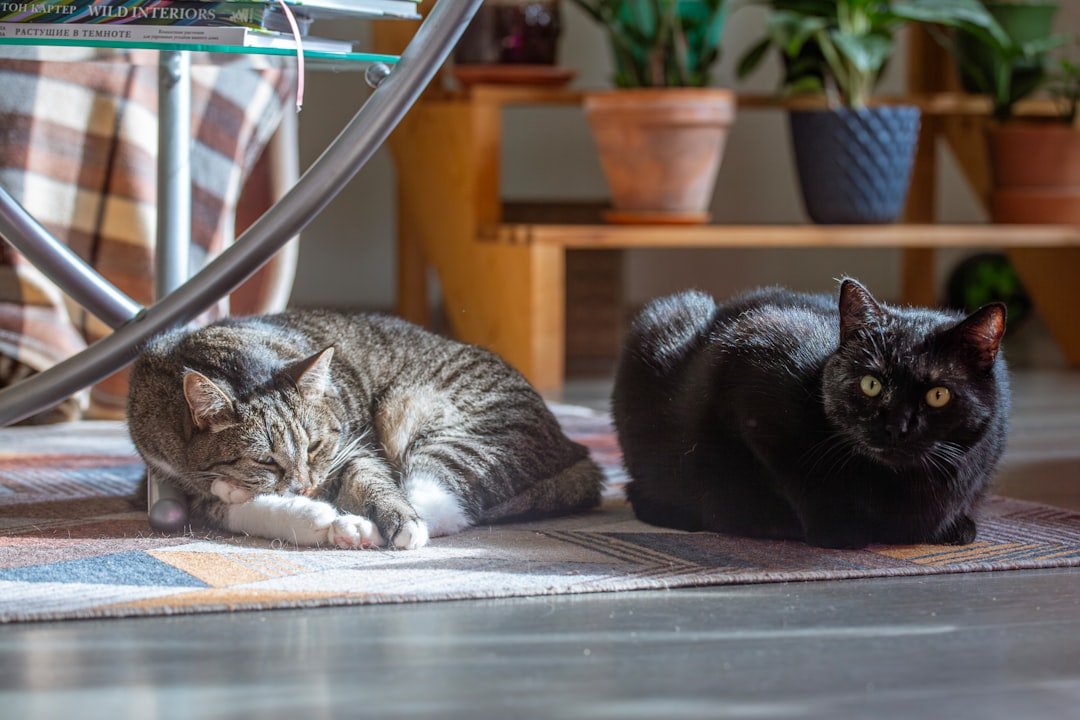
A common misconception is that the best cat calming pheromone diffuser will stop fights in any multi-cat home. It will not. The best cat calming pheromone diffuser for multi-cat households is usually a formula made for social tension, placed in the room where cats spend the most time, alongside enough litter boxes, resting places, and feeding stations for everyone. Think support, not a cure.
How to choose the best cat calming pheromone diffuser
Start with the kind of problem you are trying to ease. A multi-cat pheromone diffuser is aimed at tension between resident cats, such as staring, blocking doorways, chasing, or one cat avoiding a shared room, while a general calming formula may be marketed more for environmental stress like visitors, moving house, or loud construction nearby. The label matters. Choose the formula that matches the household issue instead of assuming every diffuser does the same job.
Look for a plug-in diffuser with a clearly identified refill system, stated coverage guidance, and replacement instructions that are easy to follow. Simple is good. A diffuser that sits unplugged for days, runs empty unnoticed, or is installed in the wrong room cannot be fairly judged.
For households with ongoing cat-to-cat friction, products marketed as multi-cat formulas are the sensible first category to research. Feliway MultiCat is sold as Feliway Friends in some regions, and Comfort Zone also sells a Multi-Cat diffuser; both are examples of products marketed around cat social tension rather than generic household calm. Names and availability vary by region. Check the current manufacturer label before buying, especially if you are ordering refills separately.
What a pheromone diffuser can realistically do
These products release a synthetic version of a feline pheromone signal into the air. The idea is to provide a familiar environmental cue that may help some cats feel less on edge in a shared space. Results vary. A diffuser is not a sedative, and it should not make a normally active cat seem sleepy or dull.
When it helps, the change is often modest and gradual. You might see fewer tense stand-offs near the hallway, easier settling after one cat walks through the room, or less hiding during a routine disruption. Small shifts count. The goal is a lower level of daily tension, not instant friendship or constant cuddling.
A diffuser cannot solve a resource shortage, a painful medical condition, or a pattern where one cat has learned that ambushing another cat works. Those issues need practical changes too. If a cat suddenly becomes aggressive, stops eating, hides far more than usual, urinates outside the tray, or seems painful, contact a veterinarian promptly rather than treating the diffuser as the answer.
What to look for before buying
Focus on the details that affect whether the product can actually reach your cats. Price alone tells you little. A lower-priced starter kit may cost more over time if refills are unusually expensive, while a bigger refill pack may be poor value if it expires before you use it.
- The right formula: Pick a multi-cat or social-harmony formula when the main concern is friction between cats. A general calming formula may make more sense when there is no conflict and the trigger is a temporary household change.
- Coverage guidance: Manufacturers usually give a room-size estimate. Treat it as a starting point, because open-plan layouts, closed doors, high ceilings, and poor airflow can change how far the vapour travels.
- Refill cost and availability: Check the price of replacement bottles before committing to a starter kit. This matters. The diffuser is normally used continuously for several weeks, so refill access is part of the real cost.
- Plug and voltage compatibility: Buy a version intended for your country. Do not use an adapter that makes the unit sit loosely, tilt, or run in an unsuitable outlet.
- Placement limits: Read the safety leaflet. Most diffuser makers advise against placing units behind furniture, under shelves, near open windows, or close to heat sources because airflow and heat can interfere with normal operation.
Be cautious with products described only as “calming” if they do not clearly explain what is in the refill. Some plug-in products use pheromone analogues, while others use botanical scents or essential-oil-style ingredients. They are different categories. If you specifically want a pheromone diffuser, confirm that the product says so on the official packaging rather than relying on a retailer’s search filter.
Matching diffuser number to your home
One diffuser is usually best treated as coverage for one main area, not a whole house with several closed rooms. Doors matter. If conflict happens near the kitchen doorway and one cat sleeps upstairs, putting the only diffuser in a distant bedroom is unlikely to be a useful trial.
Use the problem location to guide placement. Put the first diffuser in the room where the cats regularly cross paths, rest near each other, or show the earliest signs of tension. Avoid hiding it. It needs open air around it and should remain upright in a functioning wall outlet.
- Write down where tension occurs for seven days. Note locations, times, and what happens immediately before it.
- Choose the most common shared area, rather than the room you use most.
- Install the diffuser according to its label and leave it running continuously for the suggested trial period.
- Keep food bowls, water, beds, and litter trays separated enough that no cat has to pass a rival to use them.
- Review the notes after several weeks. Look for frequency and intensity changes, not perfection.
Here is a practical example. If two cats stare and swat near a narrow living-room doorway four times a week, place the diffuser in that room, add a second exit route or resting spot, and move one resource away from the bottleneck. Count incidents. If the number drops to one mild stare a week, that is useful information even if the cats still choose separate sleeping spots.
Trade-offs between common diffuser options
The main trade-off is specificity versus flexibility. A multi-cat formula is the more targeted choice when resident cats are tense with each other, but it may not be the best fit for a cat who is anxious only during fireworks or car travel. Plug-in diffusers also work only where they are installed. That is a limitation.
Single-cat or general environmental formulas can be easier to find and may cost less in some shops, but saving money is not helpful if the formula does not match the problem. Multi-cat refills can also be a recurring expense. Budget for at least the initial trial period, then decide based on your cats’ actual behavior and the cost of maintaining it.
Some households need more than one unit because cats avoid each other across separate floors or closed-off rooms. That increases the ongoing cost quickly. It may still be reasonable if it supports a wider behavior plan, but it is not automatically necessary for every multi-cat home.
Also consider your outlet layout. A good diffuser location may be unavailable behind a sofa or occupied by another appliance, and extension leads are not always suitable for heat-producing plug-ins. Follow the product instructions. If the practical setup is awkward, choose a product you can use correctly rather than forcing a poor placement.
Use the diffuser with better household resources
Pheromones have a better chance of helping when cats can avoid unnecessary pressure. Give each cat access to important resources without having to squeeze past another cat. Space is calming. This can mean separate water stations, more than one elevated resting place, and litter trays located so a cat cannot be trapped in a corner.
A widely used starting point for litter trays is one per cat, plus one extra, placed in different areas rather than lined up together. It is only a starting point. Some cats need more separation, and a cat that dislikes a covered tray or a busy location may still avoid it even when the total number looks adequate.
Do not force introductions or hold cats near each other to “get them used to it.” Slow, positive associations are safer. For established cats, interrupt staring by calmly creating distance, toss a treat away from the other cat if both can safely eat treats, and make sure each cat has a route out of the room.
When a diffuser is not enough
Skip the wait-and-see approach if conflict is escalating. Repeated biting, injuries, relentless pursuit, one cat being unable to reach food or a litter tray, or a major sudden behavior change needs veterinary and behavior guidance. Safety first. Separating cats temporarily may be necessary while you get appropriate help.
It is also reasonable to stop buying refills if you have used the diffuser correctly for the manufacturer’s suggested evaluation period, made basic resource changes, and see no meaningful difference. That does not mean you failed. It means that product may not be useful for that particular household or problem.
Frequently asked questions
How long does a cat pheromone diffuser take to work?
Some owners notice small changes within days, but a fair evaluation usually takes several weeks of continuous use because daily cat interactions can fluctuate. Be patient. Follow the product’s own guidance on how long a refill lasts and how long to assess it before deciding whether to continue.
Can I use a diffuser with more than two cats?
Yes, a multi-cat diffuser may be used in a household with several cats, but the number of cats is less important than the layout and where conflict occurs. One unit may be enough for one shared room. Cats living across several floors or separated zones may need a different placement plan.
Is a pheromone diffuser safe around people and other pets?
Use the product exactly as directed and keep the refill out of reach. Check the manufacturer’s precautions if you have birds, fish, small mammals, respiratory sensitivities, or other concerns in the home. When in doubt, ask your veterinarian or the product manufacturer before plugging it in.
Should I choose a pheromone diffuser or a calming collar?
A diffuser treats a fixed indoor area, while a collar stays with one cat. For tension in a shared room, the diffuser usually fits the problem better. A collar may be considered for an individual cat, but check fit regularly and remove it if it causes irritation or gets caught.
Related posts
This post is for general informational purposes only and is not veterinary advice. Every cat is different — if you have concerns about your cat’s health or behavior, please consult a qualified veterinarian.