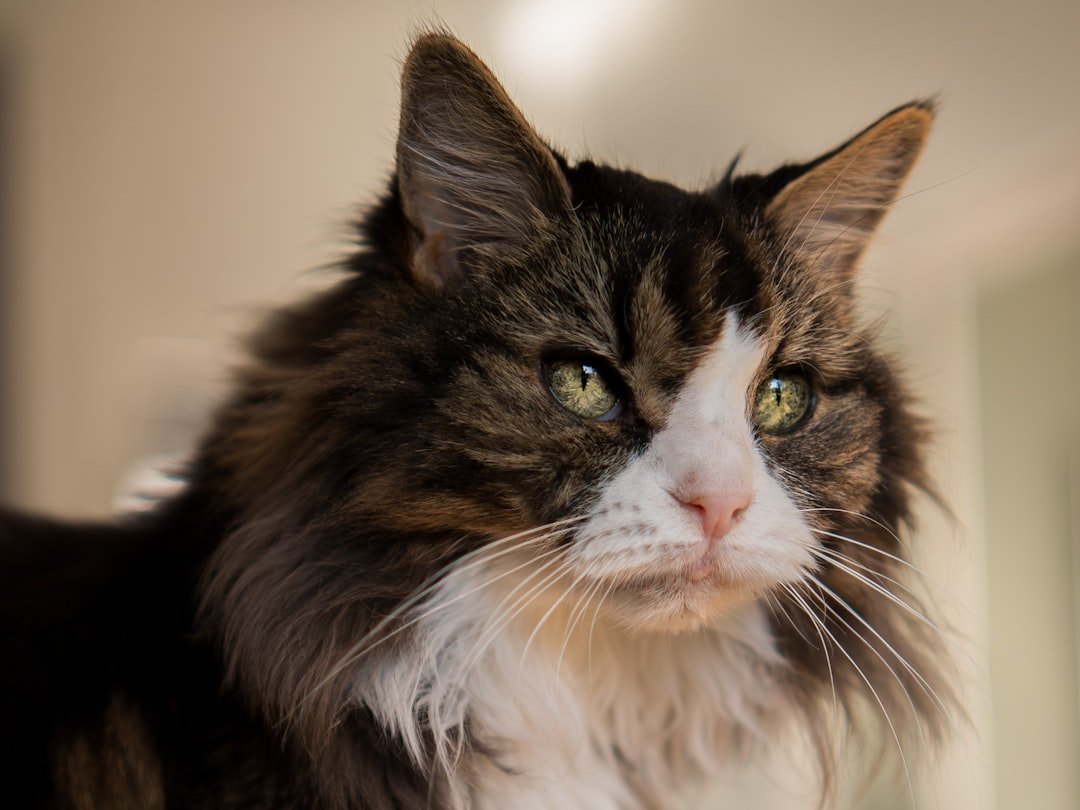
Start by parting your cat’s fur with your fingers and checking whether a wide-tooth comb can pass through the coat without catching. This best cat brush for shedding guide is most useful when you know whether you are dealing with loose undercoat, surface hair, or actual tangles, because the same tool will not handle all three safely.
For most long-haired cats, a flexible-pin slicker brush is the best first purchase, while a metal comb is the best second tool for checking the areas a brush can glide over without truly reaching. Use a gentle touch. A brush that removes less hair per stroke but your cat accepts calmly is usually more useful than a harsh tool used once and then avoided for weeks.
Best cat brush for shedding review criteria
Look at pin length, pin tip, head size, handle comfort, and whether the tool can reach through the longer outer coat without scraping skin. Long hair can hide knots near the armpits, behind the ears, around the collar area, and along the back legs, so a tool that only skims the top may leave the problem areas untouched.
Published product descriptions can help you compare materials and design, but they do not tell you how your individual cat will react to pressure or sound. Individual cats vary. A self-cleaning button may make hair removal easier for the person brushing, yet some cats dislike the click or the bulkier brush head that often comes with that design.
| Tool type | Best use | Trade-off | Long-haired cat fit | Typical price range (USD) |
|---|---|---|---|---|
| Flexible-pin slicker brush | Loose hair and routine coat care | Can irritate skin if pressed down | Usually the most versatile starting tool | Usually $10–$30 |
| Wide-tooth metal comb | Checking for knots near the skin | Slow on a full coat | Very useful alongside a brush | Usually $8–$20 |
| Undercoat rake | Heavy undercoat during seasonal shed | Too aggressive for frequent use on some cats | Useful only when teeth glide freely | Usually $12–$30 |
| Rubber grooming brush | Short, calm sessions and surface hair | Does not reach dense long coats well | A gentle backup, not a main tool | Usually $8–$18 |
What works best for long-haired cats
A slicker brush with long, flexible pins is often the practical all-purpose choice for a long-haired cat that is not matted. Keep the pressure light. The pins should bend slightly as they move through the coat, rather than digging into the skin, and you should brush in small sections instead of making long strokes across the entire body.
A wide-tooth comb earns its place because it shows whether the coat is truly clear down to the skin. Use it after brushing. If the comb catches repeatedly in one spot, stop pulling and hold the fur close to the skin while you work outward in tiny movements, or leave a tight knot for a professional groomer or veterinarian to assess.
For a thick double coat, an undercoat rake can remove a surprising amount of loose fluff when used sparingly and only on a fully dry, untangled coat. Using fewer passes is safer. Its teeth may snag if they meet a knot, and repeated heavy passes can pull healthy coat or make a cat sore, especially around thin-skinned areas.
A de-shedding blade or cutting-style tool needs extra caution with long hair. Check the teeth closely. Some are made to cut or thin coat as they move, rather than simply collect shed fur, so they are not a sensible everyday answer for every fluffy cat and should never be used over mats.
How to choose the right brush head
Choose a smaller brush head for cats that dislike grooming or have a narrow body, because you can control it around shoulders, legs, and the chest more easily. Working in small sections helps. A large head can speed up work on a relaxed, broad-bodied cat, but it is harder to keep flat and gentle around curves.
Pin tips deserve a close look. Plastic-coated tips may feel softer at first, but coatings can wear, split, or catch fur over time; bare polished metal pins can work well when the ends are smoothly finished and the pins are flexible enough to give under light pressure. Inspect the brush regularly. Replace a brush with bent pins, rough tips, cracked handles, or loose parts.
Self-cleaning slicker brushes are convenient when you brush often, since a button pushes collected hair forward for removal. That convenience can help. The moving plate can also leave some hair trapped around the base of the pins, so check that area before putting the brush away and remove buildup with a dry cloth or comb.
A realistic brushing routine
Long-haired cats generally do better with short, repeatable sessions than an occasional long grooming project. Even five minutes can be enough. Daily attention to high-friction areas may prevent small tangles from becoming dense mats, while a fuller brush-out once or twice a week can deal with the loose hair that has worked through the coat.
- Offer the brush for a sniff while your cat is calm, then give one or two gentle strokes on the back.
- Brush the easy areas first and stop before your cat becomes tense. It is better to end early.
- Use the wide-tooth comb behind the ears, under the front legs, and along the trousers on the back legs.
- When you find a snag, separate the surrounding hair with your fingers before trying the comb again.
- Finish with a familiar reward your cat enjoys, then clean hair from the tool.
Watch your cat’s body language more closely than the amount of hair in the brush. A flicking tail, flattened ears, skin twitching, turning to bite the brush, or walking away means the session needs to be shorter or gentler. Give your cat a break. Holding a cat still to finish grooming can make later sessions much harder.
Trade-offs behind popular brush claims
Packages that promise dramatic shedding reduction can be tempting, especially during a heavy shed. Keep expectations realistic. Brushing removes hair that has already loosened and helps keep it off furniture, but it does not stop the normal shedding cycle or guarantee fewer hairballs.
Very dense brushes collect lots of fur quickly, yet dense pins can be hard to clean and may drag through fine coats. This drag matters. A simpler slicker plus comb often gives better control than one heavily marketed multi-purpose device, particularly when your cat has long fine hair that tangles easily.
Cheap brushes can be perfectly usable if the pins are smooth, securely anchored, and comfortable in your hand, while an expensive model may still be wrong if its pins are stiff or its head is too large. Test any new tool gently. In typical U.S. retail listings, basic slickers often cost about $10–$20, self-cleaning slickers about $20–$35, metal combs about $8–$20, and undercoat rakes about $12–$30. Prices vary by region, so compare the return policy, replacement availability, and current manufacturer information before buying.
When brushing is not enough
Do not try to cut a mat out with household scissors, even if it looks small. A cat’s skin can pull up into a mat. Cat skin is thin and can be injured before you realize how close the blades are, so a tightly packed mat is better handled by a qualified groomer or veterinarian.
Contact a veterinarian if your cat has sudden major coat changes, bare patches, redness, sores, obvious pain during gentle grooming, or a new inability to keep their coat clean. Prompt attention is important. Those signs can have several causes, and a brush purchase cannot tell you which one applies.
Frequently asked questions
How often should I brush a long-haired cat?
Many long-haired cats benefit from brief daily checks and more complete brushing a few times each week. Keep sessions short. A cat with fine, tangly fur may need attention more often than one with a silkier coat that stays separate easily.
Is a slicker brush safe for cats?
A flexible slicker brush can be safe when used with light pressure and slow strokes on an untangled coat. Do not scrub the coat. Avoid repeated passes over the same patch, bony areas, irritated skin, and any place where the brush catches.
Can I use a dog de-shedding tool on my cat?
Only use a tool that the manufacturer clearly says is suitable for cats, and check its tooth length against your cat’s coat. Check the label. Dog tools may be too large or too aggressive for a cat’s smaller body and more delicate skin.
What brush is best for mats?
A brush is not the best answer for a tight mat. Avoid pulling on it. A comb may help with a very small, loose tangle when you can separate hairs gently with your fingers, but dense mats need professional advice rather than force.
Related posts
This post is for general informational purposes only and is not veterinary advice. Every cat is different — if you have concerns about your cat’s health or behavior, please consult a qualified veterinarian.