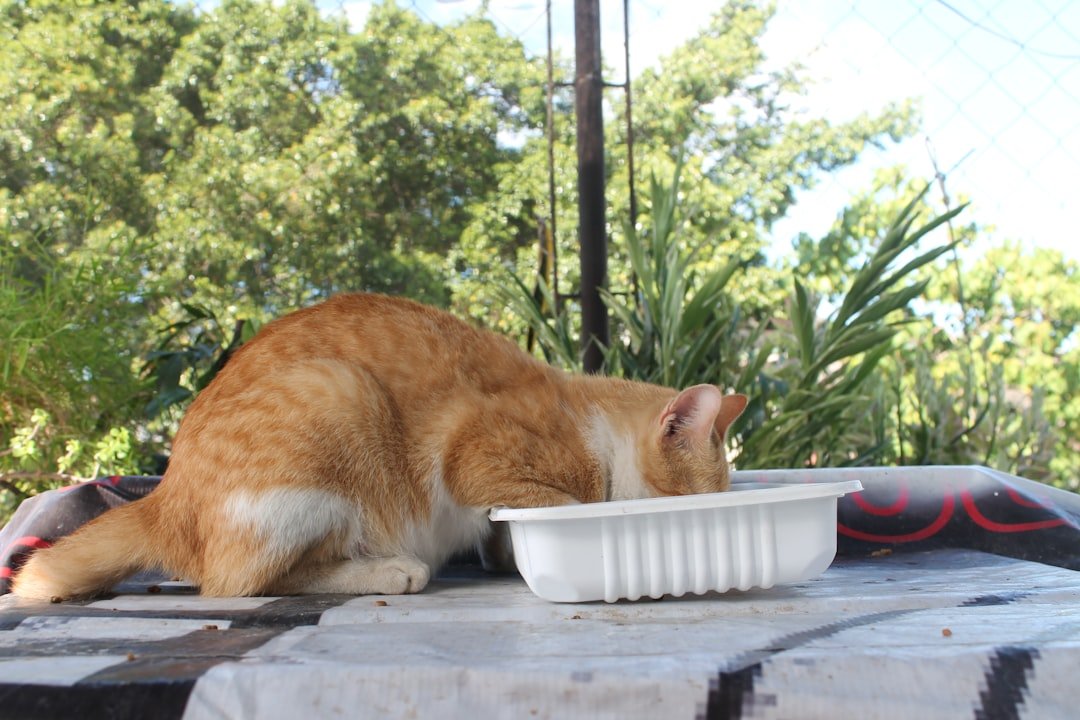
For wet food vs dry food for cats, make a measured wet meal the main part of your cat’s diet if hydration is your priority. Start small. In the wet food vs dry food for cats comparison, wet food is the clear winner for most healthy adult cats because its high moisture content helps cats take in water while they eat, rather than relying only on a water bowl that they may visit less often than you expect.
Wet food vs dry food for cats and hydration
Wet food is usually the better choice for hydration. It is simple. Most canned, tray, pouch, and fresh-style wet foods contain a large amount of water, often around 70 to 80 percent, while dry kibble commonly contains closer to 6 to 10 percent moisture. Check the label. A cat eating a full wet-food diet gets much of their daily fluid intake directly through meals, which suits an animal that naturally tends to drink less than many other pets.
Cats evolved from desert-dwelling ancestors, and many still have a relatively low thirst drive compared with dogs. That does not mean every cat avoids water. Some drink generously. Still, a cat that eats only dry food generally needs to make up a much larger water gap at the bowl, and many cats do not consistently do that unless their environment and water setup are especially appealing.
For the common indoor cat eating standard commercial food, use wet food as the foundation when you can. This is the practical recommendation. A fully wet diet is not the only healthy option, but it is usually the easiest way to raise total moisture intake without trying to persuade a reluctant cat to drink more.
Why moisture in meals matters
Water supports normal body functions, including digestion and urine production. Cats need it. Adequate moisture also tends to produce more diluted urine, which is one reason veterinarians often discuss increased water intake for cats with certain urinary concerns. That is not a diagnosis or a treatment plan, though. A cat with urinary signs needs prompt veterinary guidance because causes and urgency vary widely.
Wet food can also help cats that barely touch their water dish, especially if the food has a texture and aroma they enjoy. The meal does the work. You can add a spoonful or two of plain water to many wet foods as well, provided your cat will still eat it and the food is not left sitting out for long.
Do not assume a cat is hydrated just because there is a full bowl nearby. Watch habits. A bowl can stay full because the cat prefers another water source, dislikes the bowl location, or simply gets most of their fluid from food. With dry food, a full bowl may mean very little unless you see the water level actually go down.
A practical way to switch toward wet food
Change food gradually unless your veterinarian gives different instructions. Go slowly. Sudden diet changes can cause loose stool, vomiting, or food refusal in some cats, even when the new food is a good long-term fit. A cautious transition also gives you time to notice whether a particular recipe agrees with your cat.
- Days 1 to 3: Mix about 25 percent new wet food with 75 percent of the current food, based on the calorie amount rather than simply filling the bowl.
- Days 4 to 6: Move to roughly half new food and half old food if your cat is eating normally and using the litter box as usual.
- Days 7 to 9: Offer about 75 percent wet food and 25 percent old food. Keep meal times consistent.
- After day 9: Continue to a mostly or fully wet diet if that is your plan, then adjust the portion to maintain a healthy body condition.
- If your cat refuses food: Step back to the last accepted ratio. Cats should not go long periods without eating, so contact a veterinarian if refusal continues.
Use the feeding guide as a starting point, not a final answer. Portions matter. A 10-pound indoor adult cat may need a very different calorie amount than another cat of the same weight because age, activity, neuter status, body condition, and health needs all affect energy use. Weighing food or using measured portions helps more than free-pouring a bowl.
When dry food can be the better choice
Dry food wins in a few common situations, even though it does not match wet food for hydration. Convenience matters. Kibble is easier to leave out for controlled grazing, usually costs less per calorie, travels well, and works smoothly with many timed feeders. For a household that cannot reliably serve multiple wet meals each day, a measured dry-food routine may be more realistic and safer than leaving wet food out too long.
Some cats also strongly prefer dry food or have become wary of unfamiliar textures. Preference is real. Forcing a rapid switch can create a stressful standoff around meals, and a cat that will not eat enough is not helped by the theoretically ideal diet. In that case, work gradually and focus on water access while you explore wet options with different textures, such as pate, chunks in gravy, minced food, or mousse.
- Dry food may fit a reliable automatic-feeder schedule when nobody is home for a long workday.
- It may make calorie budgeting easier for some households because it is simple to weigh and store.
- A veterinarian may recommend a particular dry therapeutic diet for a specific medical need. Follow that individual plan.
- Some multi-cat homes manage separate diets more easily with microchip feeders and measured kibble portions.
Price can be a real constraint. No shame there. If a full wet diet stretches the budget too far, a mixed routine is often a useful middle ground: feed one measured wet meal daily and make up the remaining calories with dry food. That still increases meal-based water intake compared with dry food alone.
Dry food does not replace dental care
Many people choose kibble because they have heard it cleans teeth. Be careful with that claim. Ordinary dry food can crunch, but most pieces break apart quickly and do not scrub every tooth effectively. A cat can eat kibble and still develop plaque, tartar, gum inflammation, or painful dental disease.
Dental care needs its own plan. Regular home tooth brushing with cat-safe toothpaste is the most direct home option when a cat will tolerate training, and veterinary dental assessments matter when there are concerns. Certain dental diets or treats may have a specific purpose, but choose them with your veterinarian, especially if your cat has a health condition or needs weight control.
Do not withhold wet food for dental reasons alone. That is the key point. If hydration is a concern, use wet food and address teeth separately rather than expecting standard kibble to solve both jobs.
How to compare foods on the label
Choose a food labeled as complete and balanced for your cat’s life stage, unless your veterinarian has prescribed something else. That wording matters. Foods labeled for supplemental feeding, toppers, or treats are not designed to be the sole diet over time, even if a cat loves them.
Then compare calories, not package size. Wet food contains more water, so a larger-looking serving can contain fewer calories than a small scoop of kibble. A three-ounce can might be a light meal for one product and a much richer meal for another. Read the calories per can, tray, pouch, or cup before deciding how much to feed.
For a mixed feeding plan, use a simple calorie split. Say your cat’s daily target is 200 calories, one wet meal provides 80 calories, and the dry food contains 400 calories per cup. The remaining 120 calories of dry food equals 0.3 cup, or a little under one-third cup. Measure it. Guessing by volume is where extra calories often creep in.
Ingredient lists can help if your cat has known sensitivities, but they do not tell the full story by themselves. A long list is not automatically bad, and a short list is not automatically better. Look first for nutritional adequacy, calorie fit, acceptance, stool quality, and the guidance your veterinarian gives for any diagnosed condition.
Make drinking water easier too
Wet food helps, but fresh water still matters. Keep it available. Many cats drink more when water bowls are placed away from food and litter boxes, since some cats dislike having all resources crowded into one spot. Use wide bowls if your cat seems bothered by whiskers touching the sides.
Try more than one water station in a multi-room home. A quiet spot often works. Some cats prefer a fountain because moving water catches their attention, while others prefer a still ceramic or glass bowl. There is no universal favorite, so observe what your cat actually uses rather than buying every water gadget available.
Wash bowls regularly and refresh the water daily. This is basic. If you use a fountain, follow its cleaning and filter schedule because slime and residue can build up inside parts you cannot easily see. Clean water does not guarantee more drinking, but an unpleasant bowl can discourage it.
Signs that call for veterinary advice
Diet choices are only one part of hydration. Get veterinary advice promptly if you notice repeated trips to the litter box, straining, crying while urinating, blood in urine, vomiting, marked lethargy, sudden appetite changes, or a clear jump in thirst. Do not wait. Trouble passing urine can become urgent, particularly in male cats.
Also ask before making major food changes if your cat has kidney disease, diabetes, food allergies, a history of urinary problems, or is on a therapeutic diet. The best food for those cats depends on the individual condition and treatment plan. General hydration advice is not a substitute for that tailored care.
The bottom line
For most cats, choose wet food as the main diet when hydration is the deciding factor. It delivers water with each meal. Use measured dry food when it makes daily feeding practical, when your cat reliably prefers it, or when your veterinarian has recommended a specific dry diet. If you need a budget-friendly compromise, one daily wet meal plus carefully portioned dry food is a sensible place to start.
Related posts
This post is for general informational purposes only and is not veterinary advice. Every cat is different — if you have concerns about your cat’s health or behavior, please consult a qualified veterinarian.