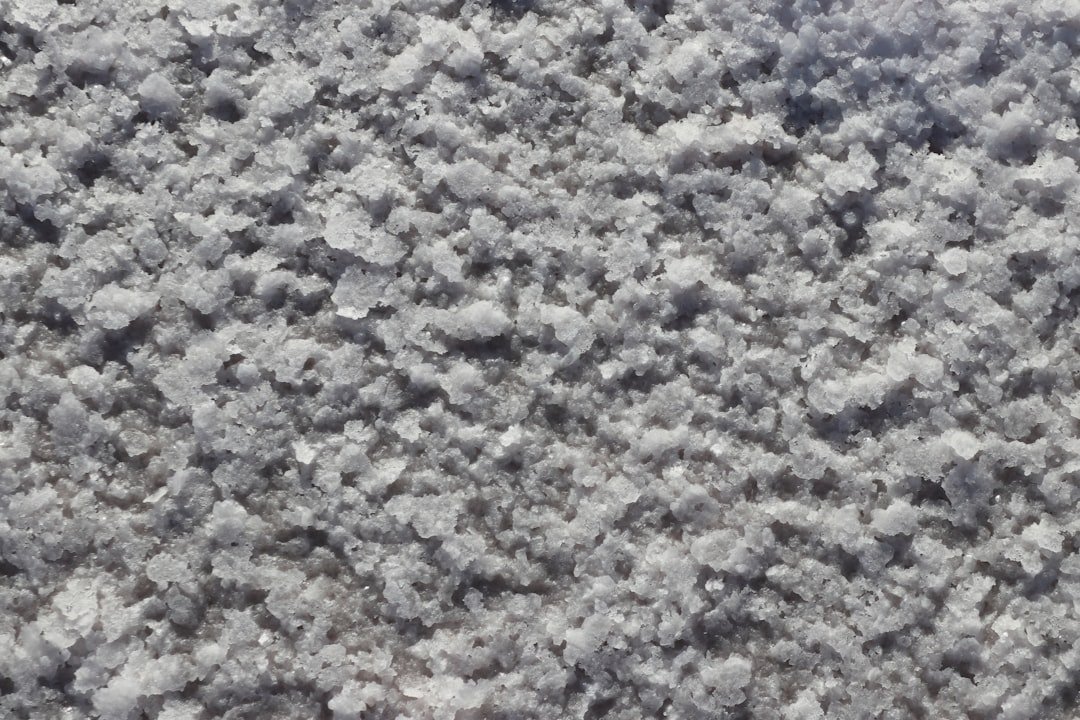
A common misconception is that clumping vs non clumping cat litter is only about whether you prefer scooping, but the bigger difference is how clean the box stays between changes. For most healthy adult cats, clumping litter is the better everyday choice because urine forms removable clumps instead of soaking into the rest of the box.
Clumping litter lets you remove urine and stool once or twice a day while leaving clean litter behind, which usually makes odor control and routine maintenance easier in a typical one- or two-cat home. It also gives you a clearer view of how much your cat is using the box.
Non clumping litter still has a place. It wins when a kitten is prone to eating litter, when a cat accepts pellets but dislikes fine granules, or when you prefer emptying and washing the entire box on a fixed schedule rather than breaking up urine clumps every day.
Clumping vs non clumping cat litter at a glance
Clumping litter is usually made from bentonite clay, although plant-based formulas made from materials such as corn, wheat, tofu, or wood fiber can also clump. When your cat urinates, the litter binds around the moisture into a solid mass that you lift out with a scoop. The rest stays dry.
Non clumping litter absorbs urine without making a firm scoopable ball. Traditional non clumping clay holds moisture in the surrounding litter, while pellets and some crystal products absorb liquid in their own way and may break down, darken, or become saturated over time. The whole box needs replacing sooner.
The practical result is simple: clumping litter separates waste, while non clumping litter stores more urine in the box until you empty it. Neither type makes a litter box maintenance-free.
Why clumping litter is the best choice for most homes
For the average adult cat, clumping litter makes the daily job much less messy because you remove the wet part instead of stirring it through the remaining litter. A clean scoop takes only a few minutes, and the box tends to smell fresher when urine clumps are removed promptly. Small habits count.
It is especially practical in a home with more than one cat, where a non clumping box can become damp and heavily used quickly even when it looks fairly clean on top. With clumping litter, you can scoop each box daily, top up the level when needed, and schedule a full wash when the box itself needs it rather than dumping usable litter after only a few days.
Clumps can also help you notice a change in normal box output. For example, if you usually see two or three medium urine clumps from one cat in a day and suddenly see many tiny clumps, unusually large clumps, or no clumps, it is sensible to keep an eye on the pattern and contact a veterinarian if it continues or your cat seems unwell. Do not rely on litter alone.
Clumping litter also works well with common open boxes, covered boxes, and many automatic litter boxes, although automatic box makers often set specific rules about litter texture, weight, and clump quality. Check the manual first.
The downsides of clumping litter
The main drawback is that clumping litter needs regular scooping to work as intended. Leave urine clumps sitting too long, and they can break apart, stick to the bottom of the box, or allow odor to build. Daily care matters.
Many clay clumping litters are heavy. A large bag can be awkward to carry upstairs or pour into a box, and the weight adds up when you have several cats or need to dispose of used litter. Plant-based clumping products are often lighter.
Dust and tracking are also common complaints, particularly with fine clay granules. A low-dust formula, a larger litter mat, and a box with higher sides can reduce the mess, but no loose litter stays completely inside the box when a determined cat digs.
Clumping litter should not be an automatic choice for a very young kitten that eats litter, or for any cat that has started swallowing litter rather than simply grooming dusty paws. Kittens explore with their mouths. Ask your veterinarian which litter type is appropriate for that cat, and follow the product label for age guidance and disposal instructions.
When non clumping litter wins
Non clumping litter is a reasonable first choice for some kittens because there is less concern about a swallowed clump expanding after contact with moisture. This does not mean every non clumping product is safe to eat. Keep litter ingestion from becoming a habit.
Wood pellets can be a good non clumping option for cats that have already accepted their texture, especially in homes that want less fine dust and fewer grains tracked through the house. Pellets feel very different underfoot from soft clay.
Non clumping litter can also suit a household that prefers a simple empty-and-refresh system. You remove stool daily, stir or monitor the litter as needed, then discard all of it and clean the box on a regular schedule before the urine odor becomes noticeable. This routine is straightforward.
A cat recovering from a procedure may have a veterinarian-recommended litter choice for a short period, sometimes to reduce dust or keep material away from a wound. Follow that specific advice over general litter preferences. Temporary needs come first.
The drawbacks of non clumping litter
Traditional non clumping clay often becomes less pleasant as urine accumulates because the wet material remains in the box. You cannot fully scoop it away. Even with daily stool removal, the clean-looking surface can hide saturated litter underneath.
That means the whole box usually needs changing more often than a well-maintained clumping box, particularly in a small box or a home with multiple cats. If you wait for a strong odor before changing it, your cat has already been using a box that may feel damp or dirty. Cats notice odors early.
It can be harder to judge urine output with non clumping products. You may see wet patches, darker crystals, or broken-down pellets, but the amount is often less obvious than a clump. A box check still helps.
Pellets and crystals can reduce certain kinds of tracking, yet their texture is not universally liked. Cats often develop a preference for a particular feel, and a sudden move from soft fine litter to hard pellets can lead to hesitation or avoidance. Make changes slowly.
Odor, dust, and tracking compared
For odor control, clumping litter usually has the advantage when it is scooped at least daily. Removing urine promptly removes a major source of smell, while non clumping litter retains absorbed urine until the full change. Clean boxes smell less.
For dust, the answer depends more on the individual formula than on the clumping label alone. Some clay litters make visible dust when poured, while certain low-dust clay formulas and many pellet products make less airborne dust. Read the package details.
For tracking, larger pellets often travel less than fine granules, but they can still roll out of a box or stick to paws if they are damp. Fine clumping litter may track more because it fits between toes, especially in long-haired cats. A mat helps with either type.
Fragrance is not a substitute for cleaning. Strong perfume can cover the smell for a person, but some cats dislike heavily scented litter, and unscented litter makes it easier for you to notice when the box needs attention.
Cost is more than the bag price
A bag of non clumping litter can look cheaper at the store, but the real comparison is how much you discard each week. With clumping litter, you usually throw away the used clumps and add a little fresh litter. With non clumping litter, you may discard most or all of the box contents at each change.
Try a simple two-week comparison if cost is your main concern. Measure how much litter you add to each box, keep track of how often you fully empty it, and include the number of bags used rather than comparing the shelf price alone. Write it down.
For example, if a clumping litter needs one full bag plus small top-ups over two weeks, while a cheaper non clumping litter needs two bags because you replace the whole box several times, the lower-priced bag may not be the lower-cost routine. Waste disposal also has a cost in time. Your local collection rules matter.
Do not flush litter unless both the product label and local wastewater guidance clearly allow it. Even litter sold as flushable can create plumbing problems in some homes and may not be accepted by local systems. Bagged disposal is usually simpler.
How to choose for your cat
Start with your cat’s age, habits, and existing preferences rather than what looks best in an advertisement. A healthy adult cat that already uses fine litter reliably will usually do well with an unscented clumping formula. Keep it familiar.
- Choose clumping litter for most adult cats, especially if you want to scoop urine daily and keep the box fresh between full cleanings.
- Choose non clumping litter if your veterinarian recommends it, if a young kitten eats litter, or if your cat already uses pellets comfortably.
- Keep the texture close to what your cat knows when possible. A sudden texture change can cause refusal.
- Set up one box per cat plus one extra when space allows, and scoop solid waste every day regardless of litter type.
- Change only one variable at a time so you can tell whether the cat accepts the new litter, box location, or box style.
If you are switching litter types, begin by mixing a small amount of the new litter into the old litter, then increase it over roughly a week if your cat continues using the box normally. Go slower for a cautious cat. A second box with the old litter can make the transition easier.
A practical cleaning routine
With clumping litter, scoop urine and stool at least once daily, break up any damp material stuck to the bottom, and add enough fresh litter to keep a consistent depth that your cat can dig in comfortably. Most cats prefer room to cover waste.
With non clumping litter, remove stool daily and check for dampness or odor below the surface rather than judging only by what you can see on top. Empty, wash, and refill the box before the litter becomes broadly saturated. The schedule may be every few days for one cat, or more often in a busy box.
Wash the empty box with warm water and mild unscented soap, then dry it fully before adding litter. Harsh cleaners can leave a smell that cats dislike. Replace badly scratched plastic boxes when they become difficult to clean.
The bottom line
Choose clumping litter for the most common situation: an adult cat, a household willing to scoop daily, and a goal of keeping odor and waste under control without replacing the entire box constantly. It is usually the more practical option. Consistent scooping makes the difference.
Choose non clumping litter when there is a clear reason, such as a litter-eating kitten, a cat that reliably prefers pellets, or a veterinarian’s temporary recommendation. It is not inferior. It simply needs a more frequent full-change routine to stay clean.
Your cat gets the final vote. If a new litter leads to hesitation, accidents outside the box, or a sudden change in normal box habits, return to a familiar acceptable setup and seek veterinary guidance when health or behavior concerns are present.
Related posts
This post is for general informational purposes only and is not veterinary advice. Every cat is different — if you have concerns about your cat’s health or behavior, please consult a qualified veterinarian.