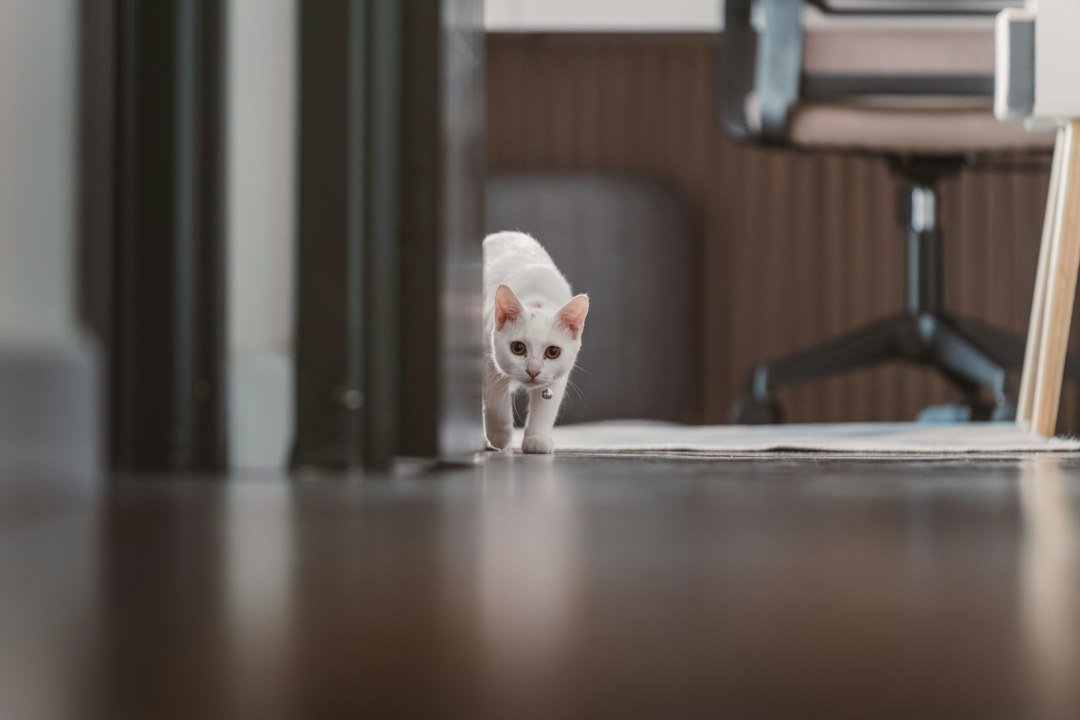
Why does my cat run around after using the litter box? For many cats, a fast lap around the house afterward is a normal burst of energy, sometimes called post-litter-box zoomies, that can follow relief, excitement, or an instinct to leave the area quickly. It is usually harmless. The key is whether your cat looks comfortable before, during, and after they use the box.
Why does my cat run around after using the litter box?
Cats do not explain their bathroom habits, so there is no single proven reason for every sprint. Still, many owners see a familiar pattern: the cat uses the box, walks out, then suddenly tears down the hallway, hops onto furniture, or starts a playful ambush. That pattern alone is common. If your cat is otherwise eating, resting, playing, and using the box normally, the run is often just part of their individual routine.
One simple explanation is relief. A full bladder or bowel can be uncomfortable in the ordinary sense that it creates pressure, and movement after toileting may be an outlet for the sudden change in body sensation. Cats can be surprisingly expressive. A relaxed cat may leave the box with a quick tail flick and a burst of speed, then settle down as if nothing happened.
Instinct may play a part too. In outdoor settings, a cat that eliminates may want to move away from the spot rather than linger, particularly after covering waste. Indoor cats retain many old behavioral patterns even though a clean litter box in a quiet home is not dangerous. The house is safe. Their brain does not always treat bathroom routines as fully modern.
Some cats also become energized by the whole sequence: digging, balancing, scratching, covering, and stepping out of an enclosed space. The box can interrupt a nap or play session, and the cat may simply resume activity with extra enthusiasm. This is especially common in young cats. Kittens and adolescents can turn almost any transition into a chase game.
The zoomies explained
The zoomies are sudden, high-energy bursts of running, leaping, spinning, or playful stalking. They often happen in the evening, after meals, after naps, or after a litter-box visit because these are moments when a cat shifts from one activity to another. They are brief. A cat may race for thirty seconds, skid around a corner, and then groom or sleep.
A normal zoomie usually looks loose and playful rather than tense. Your cat may have upright ears, a curved or upright tail, springy movement, and a willingness to interact with a toy afterward. Context matters. A cat who exits the box, runs happily, then comes back for dinner is different from a cat who runs away while crying, hiding, or repeatedly returning to the box.
Personality matters as well. A confident, active cat may make a dramatic production out of every bathroom trip, while a shy cat may slip away quietly. Multi-cat homes can change the picture because one cat may hurry out if another cat waits nearby, watches the box entrance, or has previously bothered them there. Even friendly cats need privacy. A litter box should never feel like a trap.
When post-litter-box running can signal discomfort
Running after using the box is not automatically a health warning, but a sudden change in the behavior deserves attention. Watch the entire bathroom visit, not only the dash afterward. Trouble signs include straining, vocalizing, spending a long time in the box, producing very little urine, loose stool, blood you can see, vomiting, excessive licking around the rear, or repeated trips with little result.
Urination changes need prompt attention. A cat that repeatedly enters the box, strains, cries, or produces little or no urine may need urgent veterinary care, especially a male cat, because urinary blockage can become life-threatening quickly. Do not wait overnight. Contact a veterinarian or emergency clinic right away if you suspect your cat cannot urinate normally.
Constipation, diarrhea, anal-area irritation, urinary discomfort, and stress can all make a cat leave the box abruptly, but only a veterinary professional can sort out the cause. Avoid guessing. Do not give human pain medicine, laxatives, or leftover pet medication unless your veterinarian specifically tells you to use it, since common household medicines can be dangerous for cats.
There is also a behavior clue to notice: a cat who races away and then avoids the litter box later may have formed a negative association with it. That association can start after one painful bowel movement, a loud noise, a frightening interruption, or conflict with another pet near the box. The pattern matters. A cat who uses the box comfortably and then zooms is generally less concerning than one who seems afraid to enter it.
How to tell playful zoomies from a problem
Use a simple three-part check for a few days. First, observe what happens in the box: does your cat enter normally, squat without obvious effort, and leave within their usual amount of time? Second, look at the output when you scoop: are urine clumps and stool roughly normal for your cat? Third, watch the next ten minutes: does your cat play, eat, groom, or rest normally?
A comfortable cat usually has a predictable pattern. For example, if your cat uses the box twice a day, leaves quickly, runs one lap, and then settles to groom, that is useful baseline information. If the same cat starts visiting ten times, leaving with a hunched posture, and producing tiny clumps, call the vet. Changes are more meaningful than one energetic lap.
Keep the check low-key. Hovering over a cat in the box can make some cats uncomfortable, so observe casually or review what you find while scooping. A daily scoop also helps you notice changes early. Clean boxes give better clues.
Make the litter-box area easier to use
Even normal post-box running can be more dramatic when the setup feels cramped, noisy, or socially awkward. Give your cat a box in a quiet location with an easy exit route, away from loud appliances and places where another pet can corner them. Space helps. A cat should be able to enter, turn around, dig, and leave without squeezing past obstacles.
For more than one cat, provide more than one box and place them in separate areas rather than lining every box up together. A common guideline is one box per cat plus one extra, though homes and cats differ. Location is crucial. Three boxes side by side can still feel like one guarded bathroom if one confident cat controls that room.
Scoop at least daily, and wash the box with mild unscented soap and water when needed. Strong fragrances can put some cats off. Many cats prefer unscented, clumping litter with a soft texture, but preferences vary, so change litter gradually instead of replacing everything at once. Give it time. A sudden switch can create avoidable box avoidance.
If your cat is older, stiff, very small, or recovering from a procedure, a box with a low entry can make access easier. Larger cats often need a larger box than people expect. Bigger is better. A roomy box reduces the chance that your cat feels confined while trying to position themselves or cover waste.
What to do after the zoomies start
If your cat seems comfortable, you do not need to stop the post-litter-box sprint. Let them run in a safe space, clear fragile items from regular racetracks, and offer a short wand-toy session at another time of day to give that energy a healthy outlet. Keep it calm. Chasing or scolding a zooming cat can turn a harmless habit into a stressful one.
Make a quick note if the behavior is new or unusually intense. Record the date, whether your cat urinated or defecated, anything unusual in the litter, and whether they ate and acted normally afterward. Details help. If you need to call a veterinary clinic, this kind of plain observation is more useful than trying to interpret the behavior yourself.
Most of the time, a cat racing away from the litter box is simply being a cat: relieved, energized, private, and ready for the next thing. Watch the pattern. When the box visit looks easy and the rest of your cat’s day looks normal, the zoomies are usually just an entertaining part of life with them.
Frequently asked questions
Is it normal for a cat to get zoomies after pooping?
Yes, it can be normal when your cat passes stool easily and acts relaxed afterward. Some cats seem especially energetic after a bowel movement, perhaps because the physical sensation has changed or because they want to move away from the area. Keep an eye on the stool. Hard, tiny stools, diarrhea, straining, or crying are reasons to contact a veterinarian.
Why does my cat run away from the litter box after peeing?
A quick exit can be ordinary behavior, particularly in an active cat, but it should not come with signs of urinary trouble. Look for repeated box trips, straining, vocalizing, excessive genital licking, or very small urine clumps. Act quickly. If your cat seems unable to pass urine, seek urgent veterinary care.
Should I stop my cat from running after the litter box?
Usually, no. If the behavior is playful and your cat is safe, there is nothing to correct. Instead, keep the route clear and make sure the litter-box area is quiet and easy to leave. Do not punish it. Punishment can make a cat nervous about the box.
Can another cat cause litter-box zoomies?
Yes, another cat nearby can make a cat rush out, even when there is no obvious fighting. Watch for staring, blocking doorways, following, or waiting outside the box. Privacy helps. Add boxes in separate locations and give each cat room to move away after using one.
Related posts
This post is for general informational purposes only and is not veterinary advice. Every cat is different — if you have concerns about your cat’s health or behavior, please consult a qualified veterinarian.