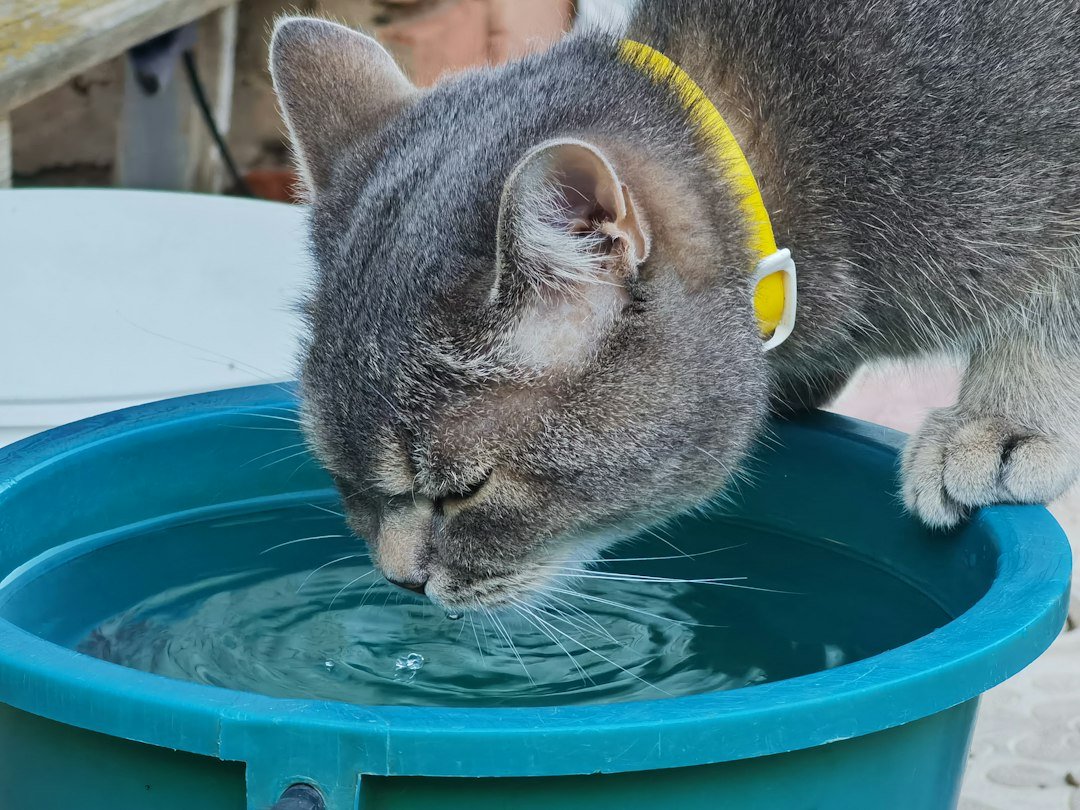
A common misconception about an automatic vs manual cat water fountain is that an automatic model guarantees a cat will drink enough. It does not. The better choice for most healthy indoor cats is an automatic recirculating fountain that you refill and clean yourself, because moving water often attracts a cat’s attention while the reservoir gives them a steadier supply between refills. Automatic vs manual cat water fountain choices still depend on the cat, though.
Some cats love a flowing stream. Others avoid it completely. A fountain can make drinking more appealing for a cat that already prefers fresh-looking water, but it cannot force a cat to drink, and a dirty fountain can turn an interested cat away fast. Clean water matters most.
The labels also get confusing. Stores may call a pump-powered fountain “automatic” even though you still fill its reservoir by hand, while another product may be a gravity-fed dispenser that refills the bowl without a pump. For this comparison, an automatic fountain means a powered unit that circulates water on its own, either continuously or on a timer, and a manual option means a still-water bowl or dispenser that needs the owner to refresh and manage it directly.
Automatic vs manual cat water fountain for hydration needs
My clear recommendation for the common case is a quiet, plug-in automatic fountain with a removable reservoir, a simple pump, and easy-to-find filters. Keep a plain water bowl available during the first week. That setup gives a curious cat access to moving water without making the fountain their only option while you learn whether they actually use it.
A manual bowl is still a perfectly good water source. It has no motor, no filter replacement schedule, and no hidden pump chamber where slime can build up. It also makes daily water checks very obvious. That simplicity is valuable.
The automatic fountain wins when the household can keep up with cleaning. Its main advantage is not magic hydration. It is freshness, movement, and a larger water reservoir that may stay more inviting over the day than a small bowl with floating dust, food crumbs, or whiskers in it.
| Point to compare | Automatic recirculating fountain | Manual bowl or dispenser |
|---|---|---|
| Water movement | Continuous, timed, or sensor-based depending on the model | Still water |
| Daily effort | Check level, flow, cord, and spills | Refresh water and wash bowl as needed |
| Deep cleaning | More parts, including pump and channels | Usually one bowl or a few dispenser pieces |
| Noise and power | May hum and needs power or charged batteries | Silent and works during outages |
| Best fit | Cats interested in moving water and homes with a solid cleaning routine | Noise-sensitive cats, close intake monitoring, and low-maintenance setups |
| Ongoing cost | Filters and occasional replacement parts may add cost | Little beyond a replacement bowl or brush |
Why automatic fountains often suit indoor cats
Cats can be selective about where and how they drink. A running stream may catch the attention of a cat walking past it, especially if the water surface in a regular bowl becomes stale-looking or collects debris during the day. Small changes can matter. A fountain also usually holds more water than one modest bowl, which is useful in a multi-cat home or during a long workday.
Water movement does not automatically mean cleaner water. The pump circulates whatever is in the reservoir, so fur, food particles, mineral buildup, and biofilm still need to be removed. Filters catch some debris, depending on their type, but they do not replace washing the unit. Think of a filter as support.
A good automatic unit can also make a useful routine easier: check the water level in the morning, rinse away visible debris, and refill before the pump begins to run low. Pumps should not be allowed to run dry. Aside from possible damage, a struggling pump can become louder and make the fountain unpleasant for a cautious cat.
Choose a model you can take apart without a battle. This is more important than decorative lights, app controls, or an elaborate waterfall shape. A wide reservoir, a visible water-level window, and a pump that separates into washable pieces make regular care more realistic when life gets busy.
Noise is the big variable. Some fountains make only a soft hum when full, while others splash, vibrate against the floor, or grow noisy as the water drops. Put the fountain on a waterproof mat. The mat protects flooring and can stop a light plastic unit from rattling or sliding during a cat’s enthusiastic drink.
Automatic fountains are particularly handy for cats that paw at water or lean toward a sink. That behavior does not prove a cat dislikes their bowl. It may simply mean the moving surface is interesting, the sink is cooler, or the bowl location is better than the current water station.
When a manual water setup is the better choice
Pick a manual bowl first if your cat is startled by mechanical sounds, avoids unfamiliar objects, or has already walked away from a fountain after a patient introduction. Quiet counts. A ceramic or stainless-steel bowl set in a calm place can be more useful than an expensive fountain that the cat will not approach.
Manual bowls also win when you need a clear view of daily water use. With a fountain, water loss can come from drinking, evaporation, splashing, or a leak, and it is harder to tell what happened. A measured bowl makes changes easier to notice. That information can be useful when speaking with a veterinarian.
Power reliability matters as well. A plug-in fountain stops circulating during an outage, and some models may become inaccessible or unpleasant if the water level falls too low. The water is still usually there in the reservoir, but you should not assume every design works the same way. Keep backup bowls out.
A manual setup is often the sensible choice for travel care, pet sitters, or anyone who knows cleaning a multi-part fountain will get postponed. A neglected fountain is worse than a clean bowl. There is no prize for owning a complicated product.
Price can push the decision too. A basic bowl costs little, while an automatic fountain has the initial purchase, replacement filters, and sometimes a new pump later. Prices vary by region. Check the manufacturer’s current filter availability before buying, since a fountain that depends on hard-to-find consumables becomes frustrating quickly.
What actually helps a cat drink
The fountain type is only one part of the setup. Water location, bowl material, the number of stations, and the cat’s food all shape how often they visit water. Start simple. Place water away from the litter box and away from noisy appliances or places where another pet can corner the cat.
Many cats prefer water separated from food, although preferences differ. Try a second station rather than assuming one location is wrong. In a two-cat home, for example, two or three water spots in separate areas can reduce waiting and give a shy cat another option if the confident cat guards the favorite place.
Use a wide bowl if you choose manual. Some cats dislike their whiskers brushing narrow sides, while others do not care at all. Stainless steel, ceramic, and glass are common practical choices because smooth surfaces are easier to inspect and wash than scratched plastic. Replace bowls that develop deep scratches or cracks.
Food moisture matters too. Cats eating wet food may get a meaningful amount of water with meals, while cats eating dry food often rely more heavily on their water stations. This does not make a fountain unnecessary. It simply means a cat’s drinking behavior should be viewed alongside their full feeding routine, not judged by one empty bowl.
Do not flavor the main water supply with broth, milk, or supplements to chase more drinking unless a veterinarian has advised it. Keep it plain. Added products can spoil, leave residue in a pump, or cause one cat to drink less if they dislike the smell.
How to introduce an automatic fountain without pressure
Bring the fountain home clean and leave it switched off at first, with fresh water inside. Let the cat inspect it. Put their familiar water bowl nearby rather than removing it immediately. A wary cat needs time.
- Set the fountain in a quiet location and run it only after the cat has seen it while silent.
- Use the lowest flow setting if the model has one. Loud splashing can be intimidating.
- Keep the old bowl available for at least several days, and longer if the cat still prefers it.
- Watch where the cat drinks rather than moving the fountain repeatedly. One change at a time works best.
- Once the cat is comfortable, maintain the fountain on a regular cleaning schedule.
Do not carry the cat to the fountain or hold them near the stream. That can create a bad association. Instead, make the station easy to approach, keep the surrounding floor dry, and let curiosity do the work. Some cats switch quickly. Others never do.
If your fountain has a motion sensor, test it before relying on it. A sensor that activates late may surprise a cautious cat, while a sensor that fails to trigger leaves the unit acting like a still reservoir. For many homes, gentle continuous flow is simpler, provided the pump stays adequately covered with water.
Cleaning decides whether the fountain stays helpful
For an automatic fountain, check water daily and top it up with fresh water as needed. Empty and wash the reservoir, lid, spout, and pump parts on the schedule in the manufacturer’s instructions, or sooner when you see residue. Be thorough. Mineral deposits and slick buildup often hide inside pump wells and narrow channels.
Use a small cleaning brush for crevices, then rinse every part thoroughly. Avoid strongly scented cleaners or leaving soap behind, because the odor can put cats off the water. If your local water leaves mineral scale, a manufacturer-approved cleaning method may help. Read the product guidance first.
With a manual bowl, refresh the water at least daily and wash the bowl regularly with hot water and mild unscented dish soap, followed by a good rinse. More frequent washing makes sense when food gets dropped into it or several pets share it. It takes minutes.
Filters need replacement according to the product instructions, not only when they look dirty. A used filter can trap debris, but it can also slow flow or develop odor if left too long. Keep a spare pack on hand if you use one. Do not improvise with materials not made for the fountain.
A practical choice for most homes
Buy an automatic recirculating fountain if your cat shows interest in moving water, your home has dependable power, and you can commit to daily checks plus regular disassembly and cleaning. Choose a simple design over a complicated one. The best fountain is the one you will actually maintain.
Choose a manual bowl or simple dispenser instead when your cat fears the sound, you need to measure water use closely, or cleaning small pump parts is likely to fall behind. Use two clean bowls in separate quiet spots if you want more availability without machinery. That is often enough.
Whichever setup you choose, pay attention to a lasting change in your cat’s usual drinking, appetite, litter box habits, energy, or comfort. Do not try to solve a sudden change by buying another fountain. Contact a qualified veterinarian for guidance, especially if the change is marked or your cat seems unwell.
Related posts
This post is for general informational purposes only and is not veterinary advice. Every cat is different — if you have concerns about your cat’s health or behavior, please consult a qualified veterinarian.