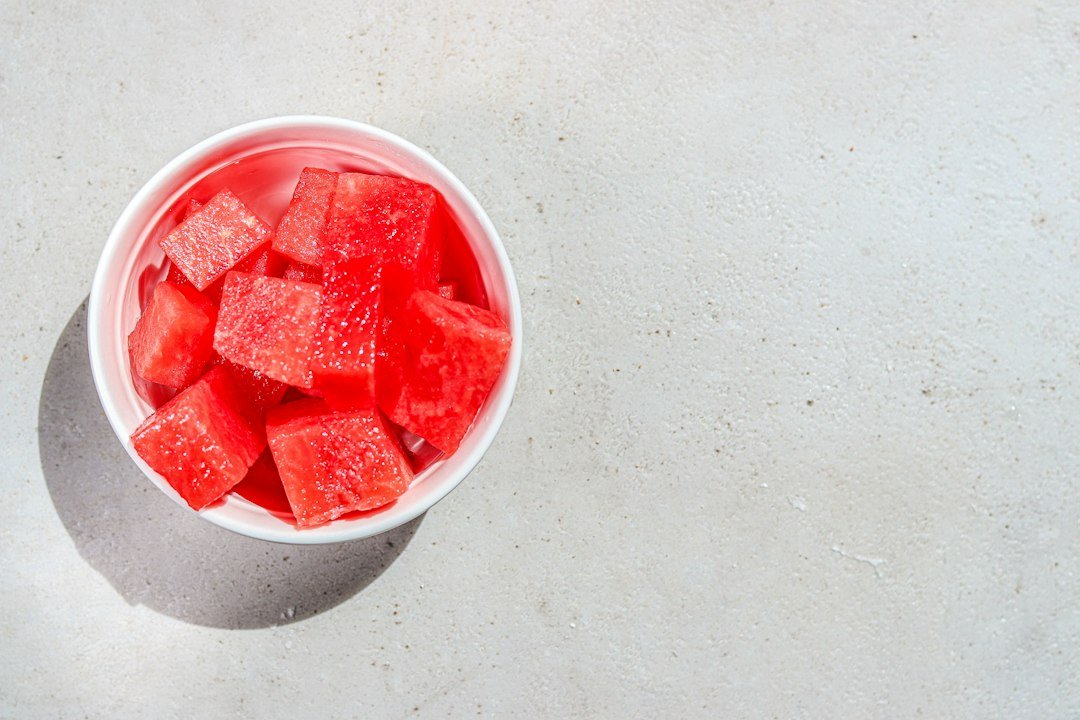
A common misconception is that watermelon is automatically dangerous for cats. Can cats eat watermelon safely? Yes, most healthy cats can eat a little plain, seedless watermelon as an occasional treat, but it is not a food they need and the portion should stay small. Think taste, not snack bowl.
Watermelon is mostly water and has some natural sugar, which is why many cats show little interest while others eagerly lick the juice. Cats are obligate carnivores, so their nutritional needs come from complete cat food built around animal-based protein and essential nutrients. Fruit is extra. It should never replace a meal, meat-based treat, or prescribed diet.
Can cats eat watermelon safely in small portions?
For a healthy adult cat, the safest part is a small piece of ripe pink or red flesh with every seed and all rind removed. Keep it plain. Do not add salt, sugar, chili seasoning, lime juice, whipped cream, yogurt, or any other topping that makes a human watermelon dish less suitable for a cat.
The concern is usually not the soft fruit itself. Problems are more likely when a cat swallows a hard seed, chews rind, eats too much at once, or has a health condition that makes sugary treats a poor fit. A tiny amount is easier on the stomach. Large helpings are unnecessary.
Watermelon has carbohydrates that a cat does not need in their regular diet, even though the fruit can seem light and harmless. Cats with diabetes, weight concerns, recurring digestive upset, or a veterinary diet should not receive new treats without checking with their veterinarian first. Their usual food plan comes first.
What part of watermelon is safe for cats?
Offer only the soft, plain inner flesh. The red or pink part is simplest to portion, and yellow watermelon is treated much the same way if it is ripe, plain, seedless, and served without rind. Remove the pale white layer near the rind as well. It is firmer and harder to chew.
Watermelon rind is not a good cat treat. It is tough, fibrous, and easy for a determined cat to bite into pieces that are difficult to chew or pass, particularly when the rind includes the firm white flesh beneath the green skin. Skip it completely. The same goes for decorative fruit carvings left within reach.
Seeds should also be removed, including the small pale seeds sometimes found in commercially sold “seedless” watermelon. A seed may be swallowed without trouble, but it adds no benefit and can be a choking concern for a cat that gulps food rather than chewing it. Check each piece. This matters more than people think.
Serving size tips for watermelon
Start with one small cube, about the size of a pea to a fingertip, for a first taste. Watch what happens over the next day before offering it again, since a new food can cause loose stool or vomiting in some cats even when that food is generally considered safe. Less is sensible. Your cat does not need a larger trial.
If your cat handles it normally and seems to enjoy it, a reasonable occasional portion for an average adult cat is one or two small seedless cubes, or about one teaspoon of finely chopped flesh. That is plenty. A large wedge is far beyond what a cat needs.
For a very small cat, senior cat with a sensitive stomach, or kitten, keep the first portion smaller than a teaspoon. Kittens need nutrient-dense growth food and may be more likely to play with, rather than properly chew, an unfamiliar slippery piece of fruit. Tiny tastes are enough. Ask a veterinarian before regularly sharing people food with a kitten.
Treats are usually kept to a small part of a cat’s total daily food intake, with the bulk of calories coming from a complete and balanced cat food. Watermelon is low in calories compared with many treats, but that does not make unlimited portions appropriate because its value is mainly novelty and moisture, not feline nutrition. The regular diet still does the work.
A simple way to prepare it
- Wash the outside of the watermelon before cutting it. Clean surfaces reduce the chance of transferring dirt onto the flesh.
- Cut out a small piece of the soft center. Avoid rind and the pale, firm section near it.
- Inspect the piece for black or pale seeds. Remove every one you find.
- Dice the flesh into one or two very small cubes. Small pieces are easier to manage.
- Offer one piece in a clean dish, then refrigerate the remaining fruit for people rather than leaving it out for the cat.
Do not leave cut watermelon sitting in a warm room for hours, especially if your cat has licked it and you plan to save it. Fresh fruit spoils faster after handling, and sticky juice can attract insects or make a mess around food bowls. Pick up leftovers. A few minutes is enough for a taste test.
How often can a cat have watermelon?
Watermelon works best as an occasional treat rather than a daily habit. Once in a while is enough for most cats that tolerate it, and many cats are perfectly happy without fruit of any kind. There is no nutritional reason to train a cat to expect it every day. Keep the routine simple.
If you use watermelon to help a cat accept a hot day, remember that fresh water is the reliable hydration option. Put clean water in a place your cat already likes, refresh it often, and consider a wider bowl if whisker contact seems to put them off. Watermelon is not hydration care. It is just fruit.
Some cats lick juice but leave the chunks, which is fine. Do not coax, hand-feed repeatedly, or mix watermelon into a regular meal to make the cat eat it, because that can make it harder to notice whether the fruit agrees with them and may put them off their normal food. Let interest guide you. Refusal is normal.
When to skip watermelon
Skip watermelon if your cat is on a veterinarian-directed diet, has been told to limit carbohydrates, or has a history of stomach upset after new foods. The same caution applies if your cat tends to gulp treats, steal food from counters, or chew non-food items, since the rind and discarded pieces can create more risk than the fruit is worth. Choose a familiar cat treat instead.
Avoid watermelon products made for people, including candy, juice, flavored drinks, frozen desserts, fruit salad, and anything labeled sugar-free. These can contain added sugar, dairy, alcohol, caffeine, flavorings, or sweeteners that are not appropriate for cats. Plain fruit is the only version to consider. Packaging can be misleading.
Do not offer a piece that is fermented, moldy, slimy, or has been sitting beside other foods. A watermelon that smells sour or looks watery in an unusual way belongs in the bin, not in a pet dish. Freshness counts. Cats have no need to test questionable leftovers.
What to watch for after the first bite
After a first serving, watch for vomiting, diarrhea, repeated trips to the litter box, unusual tiredness, or signs that your cat seems uncomfortable. Stop offering the fruit if you notice a change that concerns you. One uneventful taste does not guarantee every future serving will agree with every cat. Individual digestion varies.
If your cat swallows a substantial piece of rind, several seeds, or a large amount of watermelon and then seems distressed, contact a veterinarian or an emergency veterinary service for advice. Bring useful details: what was eaten, roughly how much, when it happened, and whether any symptoms have appeared. Act promptly. Do not try to make your cat vomit unless a veterinary professional tells you to.
The practical answer is straightforward: can cats eat watermelon safely? They usually can, when the fruit is fresh, plain, seedless, rind-free, and limited to a couple of tiny pieces on occasion. Keep the portion boringly small. Your cat’s complete regular food remains the meal that matters.
Related posts
This post is for general informational purposes only and is not veterinary advice. Every cat is different — if you have concerns about your cat’s health or behavior, please consult a qualified veterinarian.