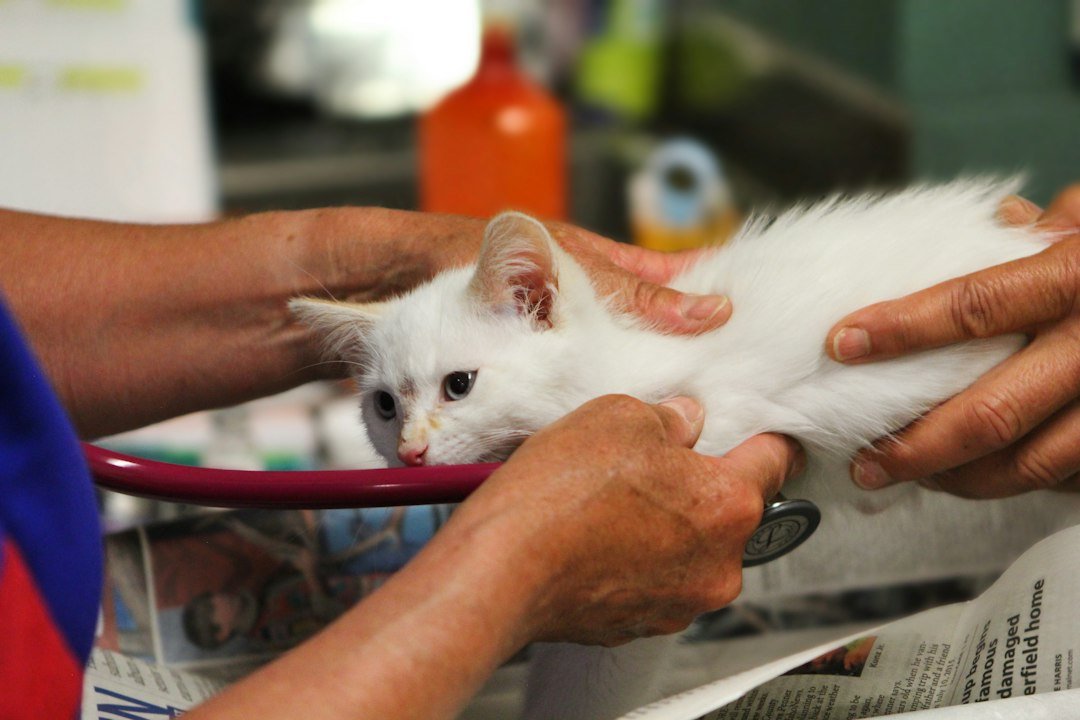
Arrange a veterinary appointment for any new lump under your cat’s skin, then take a photo and note its size before the visit. Do this today. Cat lump under skin causes range from harmless fatty tissue to infection, injury-related swelling, cysts, enlarged lymph nodes, or growths that need prompt assessment. You cannot tell what a lump is just by touching it, even when it feels soft, round, or movable.
Cat lump under skin causes
A lump is simply an area of tissue that feels different from the skin and body around it. Some appear suddenly. Others become noticeable only after weeks or months, particularly beneath thick fur or in cats that dislike being handled. A veterinarian may use the lump’s location, size, texture, and speed of change to decide what testing is sensible, but those clues do not provide a definite answer on their own.
Abscesses are one possible cause, especially in outdoor cats or cats that have fought with another animal. These often develop after a bite or scratch closes over and bacteria become trapped beneath the skin. They can feel warm, tender, or soft, and a cat may seem quiet, hide more, eat less, or object strongly when that area is touched. They can worsen quickly.
A cyst is a closed sac beneath or within the skin that may contain fluid or thick material. Some remain small for a long time. Others become irritated, infected, or rupture, which can make the surrounding skin red and sore. Do not try to pop one. Squeezing a lump can hurt your cat, introduce bacteria, and make it harder for the veterinarian to assess the original problem.
Lipomas are fatty lumps that are more commonly discussed in older pets, though they are less common in cats than in dogs. They often feel soft and may move slightly under the fingers. That sounds reassuring. Still, a soft movable lump should not be assumed to be a lipoma without veterinary assessment, because different types of tissue changes can feel similar through skin and fur.
Some lumps are linked to inflammation after an injection, minor injury, or foreign material under the skin. A small temporary swelling can occur after a vaccine or other injection. Keep track of it. Contact your veterinarian if it grows, persists, becomes painful, or appears to change rather than settle, since they can advise based on the injection type, site, timing, and your cat’s individual history.
Enlarged lymph nodes can also feel like small lumps, often under the jaw, in front of the shoulders, behind the knees, or in the groin. Lymph nodes react to inflammation and infection in nearby areas, among other reasons. Their location matters. Because a lump in one of these areas may not be a skin lump at all, it is especially useful to have a veterinarian examine it rather than repeatedly pressing it at home.
Growths can arise from skin, fat, connective tissue, glands, or deeper structures. Some are benign, while others need more urgent treatment. The difficult part is that benign and concerning growths may overlap in size, shape, and firmness, so a lump that looks ordinary can still need sampling. A veterinarian may recommend a fine needle aspirate, where cells are collected with a small needle and examined, or another type of biopsy if more information is needed.
When to worry about a lump
Call a veterinarian promptly if your cat has a lump that is growing, painful, warm, red, bleeding, ulcerated, leaking fluid, or causing hair loss over the area. These changes matter. Also seek prompt advice if the lump appeared quickly after a fight, if your cat seems unwell, or if there is facial swelling, trouble breathing, difficulty swallowing, weakness, or a marked change in appetite or behavior.
A lump around the mouth, eye, throat, chest, belly, anus, mammary tissue, or genitals deserves timely veterinary attention because swelling in these locations can interfere with normal functions or involve deeper tissue. Do not wait for it to become large. A small lump in an awkward place may be more urgent than a larger lump elsewhere, depending on what is causing it and whether your cat can eat, breathe, walk, urinate, or pass stool normally.
Use a practical rule: if you find a new lump and cannot identify a very recent, clearly explained reason for it, book an exam rather than watching it indefinitely. If the lump changes over days, contact the clinic sooner. A lump that is unchanged can still need checking, but rapid growth, heat, soreness, discharge, or changes in your cat’s wellbeing move it higher on the priority list.
For injection-site lumps, ask your veterinarian what follow-up timing they recommend for your cat. Guidance may differ depending on the product used and where it was given. In general, a lump that remains noticeable, gets larger, or has not reduced as expected should be reported rather than ignored. Keep the vaccine or medication date handy when you call.
What to check at home before the appointment
You do not need to poke at the lump repeatedly. One calm check is enough. Choose a time when your cat is relaxed, use gentle fingertips rather than pinching, and stop if your cat flinches, growls, tries to leave, or seems distressed. Pain is useful information. It is also a reason to avoid further handling.
- Find the exact location. Note whether it is on the neck, shoulder, chest, flank, leg, belly, tail base, or another area.
- Estimate the size. Use a ruler beside the lump without pressing on it, or compare it with a familiar object such as a pea or grape.
- Check the skin gently. Look for redness, a scab, thinning fur, a puncture wound, discharge, or an open sore.
- Notice how it feels. Record whether it seems firm, soft, fluid-like, fixed in place, or able to move slightly under the skin.
- Write down changes. Include when you first noticed it, whether it has changed, and whether your cat has been outdoors, in a fight, recently vaccinated, or injured.
A photo can help you compare visible swelling over time, particularly on the face or leg. Include a coin or ruler nearby for scale if your cat will tolerate it. Keep it simple. Photos do not replace an examination, but they can show whether the outline has changed between the day you noticed the lump and the appointment.
What not to do
Do not squeeze, lance, massage, or try to drain a lump yourself. Home treatment can cause pain, bleeding, infection, and stress, and it may delay proper care. Skip human creams too. Many common products are unsafe if licked, and cats groom areas that seem irritated.
Do not give human pain medicine or leftover pet medication unless a veterinarian has specifically instructed you to use that medicine for this cat and this situation. Some medications that are routine for people can be dangerous for cats in very small amounts. Keep your cat indoors if you suspect a bite wound. This reduces the chance of another injury while you arrange care.
Try not to decide that a lump is harmless because your cat is acting normally. Cats often hide discomfort well. At the same time, do not panic over every tiny bump. The useful middle ground is to document the lump, watch for urgent changes, and get a veterinarian’s advice rather than guessing from touch alone.
What the veterinary visit may involve
The veterinarian will usually ask when you noticed the lump, whether it has changed, and whether your cat has had recent injections, injuries, fights, or illness. They will feel the area and may examine nearby lymph nodes, skin, teeth, ears, and other body systems based on the lump’s location. Bring your notes. Even a rough timeline can be helpful.
A fine needle aspirate is a common next step for some lumps. The veterinarian inserts a small needle, collects cells or fluid, and may examine the sample in the clinic or send it to a laboratory. Some cats tolerate this with minimal restraint, while others need a calmer setup or sedation depending on the location, their comfort, and the test required. Results can guide whether monitoring, medication, drainage, surgery, or further testing is appropriate.
Sometimes an aspirate does not provide enough cells for a clear answer. That does happen. In that case, the veterinarian may discuss repeat sampling, imaging, a tissue biopsy, or removal of the lump, depending on its appearance and location. Costs and availability vary by region and clinic, so ask what each option can and cannot tell you before deciding.
FAQ
Can a cat lump under the skin be harmless?
Yes, some lumps are harmless or need only monitoring after a veterinarian identifies them. But the feel of a lump is not enough to sort harmless changes from problems that need treatment. Get it checked. This is especially true for a new lump, one that changes, or one in a sensitive area such as the face or belly.
How quickly can an abscess appear in a cat?
An abscess can become noticeable over a short period after a bite or puncture wound, though the timing varies. It may start as swelling and later become warm, painful, or soft. Some rupture and leak. A suspected abscess needs veterinary care because trapped infection may require drainage, cleaning, and prescribed treatment.
Should I wait to see if the lump goes away?
A brief watch period may be reasonable only if your veterinarian has advised it or there is a clear recent explanation, such as a mild injection-site reaction that they expect to settle. Record the size. If it grows, becomes painful, changes color, leaks, or your cat seems unwell, contact the clinic sooner rather than continuing to wait.
What does a worrying cat lump feel like?
There is no single texture that proves a lump is serious. Firm, soft, fixed, movable, painful, and painless lumps can each have different causes. Change is often more useful than texture. A lump that enlarges, becomes hot, affects the skin, or changes your cat’s comfort deserves prompt attention.
Can I use a warm compress on my cat’s lump?
Do not apply heat unless your veterinarian tells you to do so. A warm compress may be inappropriate for some causes of swelling, and a cat can be burned by water that feels only mildly warm to a person. Call first. Your veterinarian can tell you whether home comfort care is suitable while you wait for the appointment.
Related posts
This post is for general informational purposes only and is not veterinary advice. Every cat is different — if you have concerns about your cat’s health or behavior, please consult a qualified veterinarian.